
Lieferung heute & morgen

Qualitätsgarantie

Willkommens-Angebote freischalten: KOSTENLOSE Lieferung | Bis zu 80 % RABATT | Kostenlose 30-Tage-JoyPlus-Testphase
App herunterladen
Finding the right outdoor folding chair can quickly become overwhelming. The market offers a huge selection, but not every model delivers on its promise. Well-intentioned purchases often lead to frustration when the chair shows defects after a short time or is unsuitable for its intended purpose. Before you make a decision, it's helpful to know the most common pitfalls that can lead to buyer's remorse.
Many buyers fall for three typical problems:
To avoid these issues, a close look at a chair's core features is essential.
Instead of being swayed by marketing promises, you should base your selection on objective criteria. Three factors are particularly crucial: the material, the weight-to-stability ratio, and the intended use.
The choice of material significantly determines the durability and maintenance requirements of your folding chair.
Here, it's about finding the right compromise for your needs. An ultralight camping chair weighing under one kilogram is ideal for trekking tours, but naturally offers less seating comfort and stability than a 5 kg model.
A critical value is the maximum static load capacity, specified in kilograms. This indicates the weight the chair can safely support on a flat, solid surface. A value of 120 kg is a good benchmark for most adults. Chairs with a lower load capacity can quickly reach their limits under uneven load or on soft ground.
Define the primary place of use before buying.
To make the selection easier, we have matched some products to different user profiles. These are based on the objective criteria mentioned above.
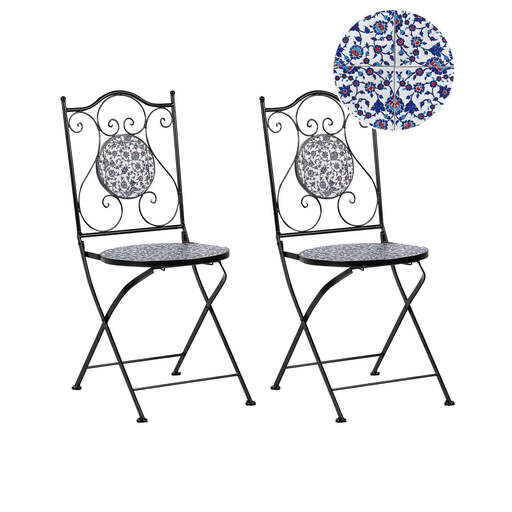
Why this model is a good fit: Ideal for users looking for decorative yet functional seating for their balcony or patio. The mosaic design adds a Mediterranean accent, while the folding function allows for easy storage.
The powder-coated iron frame is explicitly designed for outdoor use and is more resistant to weathering than models that are merely painted. This avoids the trap of seemingly weatherproof material.
High load capacity of 150 kg per chair; decorative ceramic mosaic; folds for compact storage.
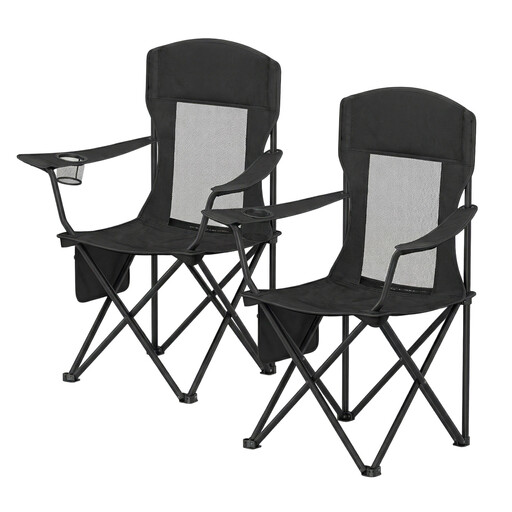
Why this model is a good fit: A pragmatic companion for camping, festivals, or the garden. The design focuses on comfort and functionality, including a cup holder and a high backrest for relaxed seating.
This model strikes a good balance: at 2.5 kg per chair, it's still easily portable, but the steel frame provides a high static load capacity of 150 kg. This avoids the pitfall of an unstable lightweight chair.
Breathable mesh fabric; includes a carry bag for easy transport; integrated cup holder.
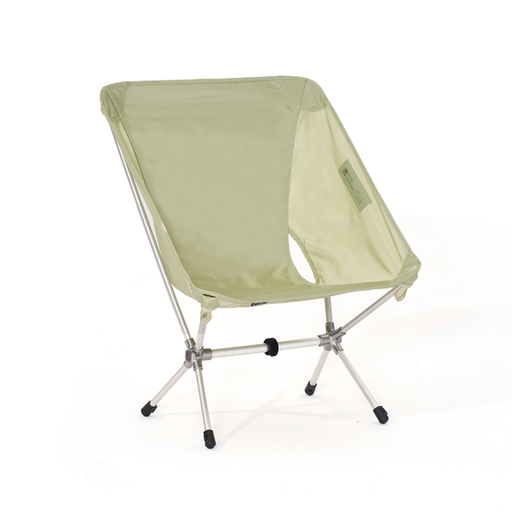
Why this model is a good fit: For users where every gram and centimetre in the backpack counts. Ideal for multi-day hikes, bike tours, or minimalist camping where a conventional chair would be too heavy.
By using an aircraft-grade aluminium alloy, it achieves an extremely low weight of approx. 765 g without completely sacrificing stability. The specified load capacity of approx. 140 kg is remarkable for such a lightweight chair.
Extremely low weight (approx. 765 g) and pack size (36 x 11 cm); frame made of high-strength aluminium alloy; quick assembly.
We have compiled a complete, up-to-date list of products that fully meet these strict selection criteria and applicable safety regulations.
Proper care depends on the material. Metal chairs should be regularly cleaned with a mild soap solution and wiped dry. Check the powder coating for scratches and touch them up if necessary to prevent rust. Fabric covers can be cleaned with a damp cloth. Store the chairs in a dry, sheltered place over the winter or use a protective cover.
The maximum static load capacity indicates the maximum weight the chair can safely support under ideal conditions (a flat, solid surface). Adhering to this value is an important safety consideration. Exceeding it can lead to material fatigue, frame deformation, or, in the worst case, the chair collapsing.
Yes, that's perfectly fine. A folding camping chair is a flexible and often cost-effective solution for a balcony. However, keep in mind that such models are primarily designed for functionality, not aesthetics. A dedicated balcony chair made of metal or wood may be more visually appealing but is less suited for mobile use. The choice ultimately depends on your priorities.