Considerate evening listeners
You’re practising solo passages while someone within earshot is sleeping or reading. Shure says a closed-back design can reduce sound leakage; fit and volume still matter.


If you want to pick out a guitar solo in the evening in a shared room, a well-fitting pair of closed-back studio headphones is a sensible place to start. This design can reduce sound leakage and background noise, but it won’t guarantee silence or make individual notes easier to hear. Open-back headphones may also be an option in a quiet room where you’re not disturbing anyone. If you’re playing electric guitar at the same time, your amp or interface will also need to send both the guitar and backing track to the headphone output. Compare your recording at a moderate volume, and check the fit and device connection.
You’re practising solo passages while someone within earshot is sleeping or reading. Shure says a closed-back design can reduce sound leakage; fit and volume still matter.
You want to pick out notes and phrasing in a recording, and can compare open- and closed-back models for yourself without disturbing anyone with sound leakage. Audio-Technica and Sennheiser offer open-back models for reference and studio use.
You’re playing the solo along with a recording and need to hear both your instrument and the backing track through your headphones. Focusrite describes direct monitoring on suitably equipped interfaces as a way to hear the input signal with virtually no delay.
First decide whether you need to avoid disturbing others in the room. Then compare how clearly you can hear your recording and, if you plan to play along, check how the signals are routed.
| Your priority | What to check when buying | Who is this most relevant to? |
|---|---|---|
| Keeping noise down in the evening | Check the closed-back design, how the ear pads fit and how much sound leaks at the volume you intend to use. | If I’m repeating passages while someone in the next room is asleep, I want to keep sound leakage to a minimum. Around 25% of consumers rank minimal sound leakage as their top buying priority. |
| Picking out notes and phrasing | Listen to the same short passage on the models you’re considering, at the same moderate volume. | If individual notes in my recording are hard to distinguish, I want to be able to pick them out even at a moderate volume. Around 25% of consumers put tonal detail first. |
| Playing along with a recording | Check that your current amp or interface has an instrument input, a way to feed in the backing track and a headphone output. | If I’m playing electric guitar along with a recording, I need both signals to come through my headphones together. Around 19% of consumers prioritise playing along in real time. |
| Staying comfortable during repeated practice | Try the headband and ear pads for a typical listening session, and check whether replacement pads are available. | If I’m repeating the same passages for a while, I want to avoid pressure points and make sure the fit works for me. Around 19% of consumers make comfort their top buying priority. |
| Connecting to your playback device | Check the socket, plug or supplied adapter, cable length and the exact model variant. | If I’m continuing to use my current amp or interface, my headphones need to work with it. Around 12% of consumers put device compatibility first. |
With open-back ear cups, sound can escape more easily and background noise can reach your ears more readily. That can be disruptive in a shared bedroom.
Choose the design to suit your room first, then compare how clearly you can hear details using your own recording.
Volume and listening time can affect your hearing. The German Environment Agency warns that excessive noise can cause hearing damage.
Listen at a moderate volume and repeat short passages rather than trying to make up for a lack of clarity by turning the volume up.
Your guitar and backing track both need to reach the headphone output. Direct monitoring is a feature of a suitable interface, not of the headphones.
Before buying, check the connections and monitoring features on your specific amp or interface. Focusrite describes direct monitoring on compatible interfaces as a way to hear the input signal with virtually no delay.
The closed-back DT 770 PRO is one option to consider for evening listening with other people in the room.
The closed-back ATH-M40x and open-back ATH-R30x offer different designs for different listening environments.
The closed-back K371 could be an option if you’re looking for a foldable design and detachable cables.
The HD range includes closed-back models and open-back models such as the HD 490 PRO, which may be better suited to a quiet room where you’re not disturbing anyone.
The Joybuy models below are over-ear headphones with a stated option for wired listening. Check that the cable and connection are compatible with your playback device.
 No image available
The stated closed-back design could be useful when repeatedly listening in a room with other people.
Listed features include USB-C audio, Bluetooth and an included 2.5 mm to 3.5 mm audio cable. For wired listening, the device connection needs to match the cable.
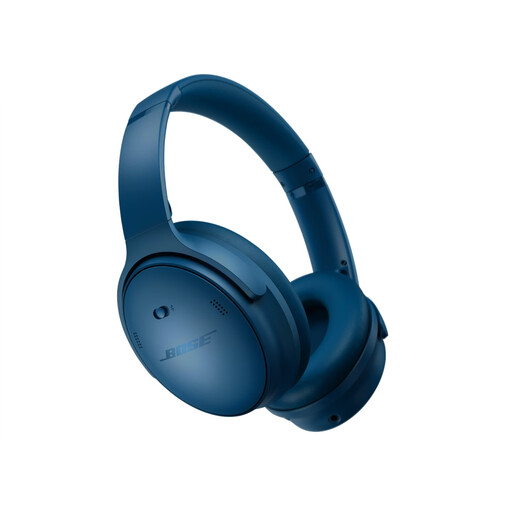 No image available
The stated wired listening option could be useful when repeatedly playing back your recording.
The product description lists Bluetooth, adjustable EQ settings, soft ear cushions and a padded headband. For wired use, the audio cable and device connection need to be compatible.
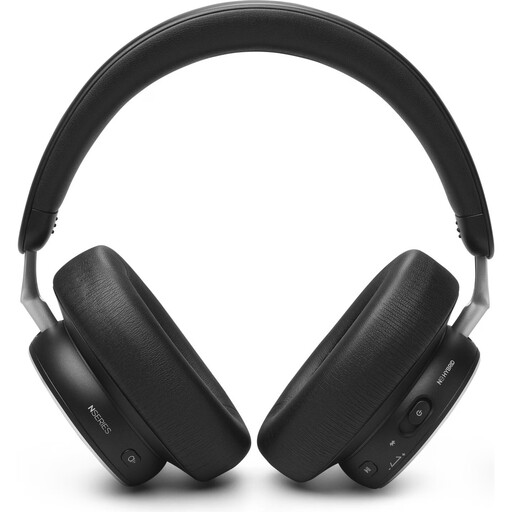 No image available
The stated closed-back design and wired option could be useful for repeated listening in a shared room.
Listed features include a detachable cable, a 3.5 mm connection and a foldable design. Wired listening requires a compatible 3.5 mm socket.
A stated frequency range doesn’t show how easily you’ll recognise individual notes in your recording. Compare the passage at the same moderate volume, and pay attention to the fit too.
Check how both signals are routed to the headphone output on your amp or interface. Focusrite describes direct monitoring on suitably equipped interfaces as a way to hear the input signal with virtually no delay and mix it with software playback. The setup depends on the specific device.
Listen at a moderate volume and check the ear pads and pressure points over a typical listening session. beyerdynamic lists replaceable ear pads for the DT 770 PRO; Sennheiser lists washable, replaceable pads for the HD 490 PRO.
Under the consumer rules explained by the European Union, goods come with a legal guarantee of at least two years from the date you receive them. This is separate from any additional manufacturer’s warranty; if something is faulty, the seller is generally the person to contact.
As part of its market surveillance, the German Federal Network Agency lists a correct CE marking, product traceability and accurate manufacturer details among the things to check. Check these details on the specific listing; the authority’s checklist doesn’t prove that a particular model has already been inspected.