What should you look for when buying?
Closed-back, wired studio headphones
A good choice if: You have a suitable audio output and want to repeat passages without relying on the headphones’ battery.
The trade-off: Passive isolation depends on the fit, and a long or coiled cable may be awkward in a coach seat.
Closed-back ANC travel headphones
A good choice if: Steady road noise is your main concern and you’re considering battery-powered travel headphones.
The trade-off: ANC won’t remove individual instruments from a finished recording. Check battery and wired operation separately, as they vary by model.
Open-back studio headphones
A good choice if: You mainly listen somewhere quiet, rather than next to other passengers.
The trade-off: Audio-Technica describes open-back headphones as letting more ambient sound in and more sound out. They won’t isolate the guitar track from the mix.
For practising on a coach, focus on the fit, connection, cable management and the features available in your playback app.
| What to consider |
What to look for |
Who it matters to |
| Isolation at a moderate volume |
Closed-back design, how the ear pads fit with glasses on, and how much sound leaks to the next seat. |
If I want to follow short solo passages at a comfortable volume despite coach noise, while disturbing others as little as possible, I pay particular attention to the fit and sound leakage. Around 36% of consumers are likely to prioritise isolation. |
| Listening to passages and connectivity |
The plug and output on your device, cable length, and the repeat and tempo features in your chosen app. |
If I repeat the same passage often, I need a compatible connection and an app feature that lets me replay it or listen more slowly. Around 28% of consumers are likely to prioritise listening to passages and connectivity. |
| Comfort and portability |
Fit over a realistic period of wear, folding mechanism, cable management and compatible replacement ear pads. |
On a longer journey, I want to wear my headphones comfortably and pack them away without taking up too much space. Around 18% of consumers are likely to prioritise comfort and portability. |
| Connection accessories and replacement parts |
What’s included, any adapter you might need, and model-specific replacement cables and ear pads. |
If I want to use my headphones for a long time, I check the accessories and compatible replacement parts for that exact version before buying. Around 18% of consumers are likely to prioritise connection accessories and long-term use. |
Joybuy products for coach journeys
The following models are closed-back ANC travel headphones for coach journeys, if road noise is more of a concern than traditional studio monitoring.
 No image available
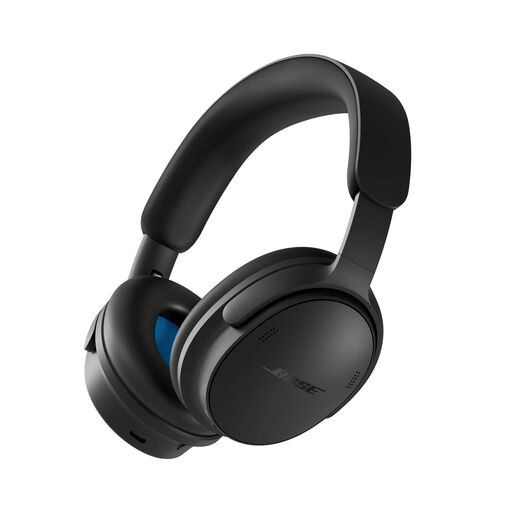
BOSE QuietComfort Headphones (2nd Gen), Black WW
An option if you want to use ANC on your journey and listen wired when needed.
View at Joybuy
 No image available
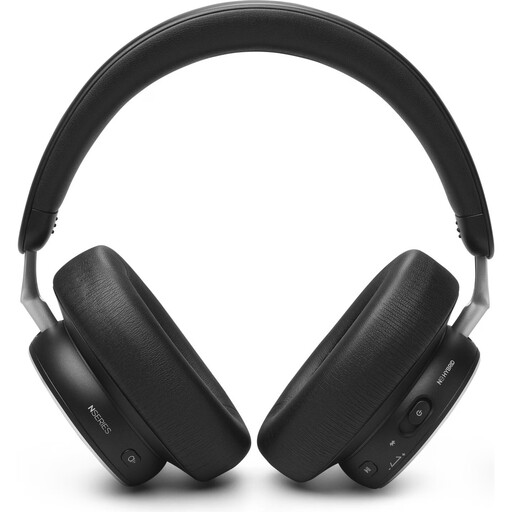
AKG N9 Hybrid Over-Ear, Black
A good fit if you’re considering ANC and a wired connection to your playback device.
Bluetooth 5.3; 3.5 mm cable option; foldable design.
View at Joybuy
 No image available
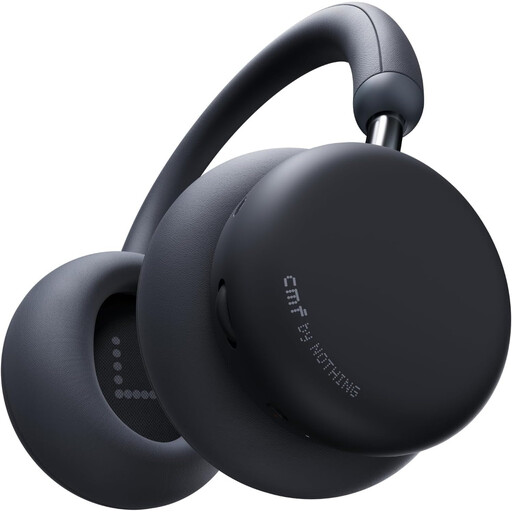
CMF Headphone Pro, Dark Grey
An option if you’re looking for closed-back, over-ear ANC headphones for longer listening sessions.
Hybrid ANC; Bluetooth 5.4; foldable design.
View at Joybuy
 No image available
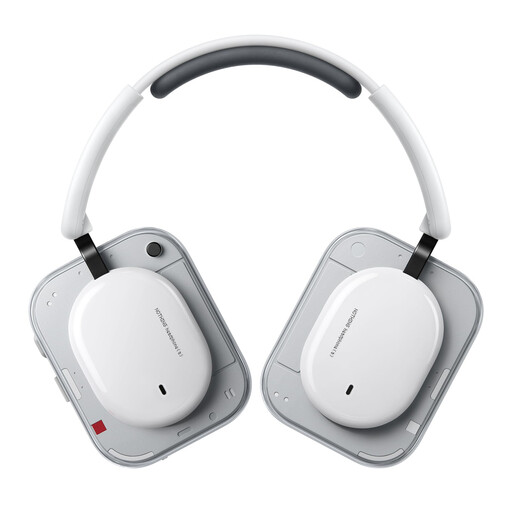
Headphone (a), White
Worth considering if you’re looking for ANC and wired listening on your journey.
40 mm drivers; Bluetooth; detachable 1.2 m cable with 3.5 mm connection.
View at Joybuy
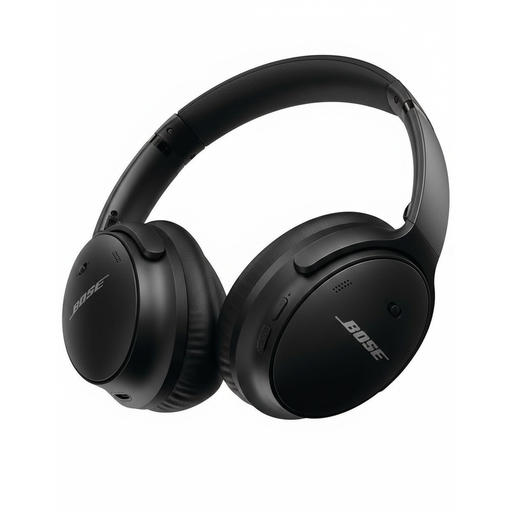 No image available
Bose QuietComfort Headphones, Black
Another ANC travel option if you want to switch between Quiet and Aware modes and listen wired too.
Bluetooth and wired connectivity.
View at Joybuy
Frequently asked questions
Can studio headphones alone help me hear a solo more clearly and at a slower pace?
No. Headphones don’t change the tempo or separate the guitar from a finished recording. For suitable audio, Audacity’s “Change Tempo” feature can change the tempo of a selected passage without intending to alter the pitch; more substantial changes may cause audible distortion. Check whether your mobile playback app has a similar feature.
How do I connect wired studio headphones when I’m travelling?
Compare the plug on the exact model version with the output on your playback device. For the DT 770 PRO with 32 Ohm, the manufacturer specifies a 3.5 mm plug and a 6.35 mm adapter; that doesn’t mean you can connect the headphones directly to every smartphone.
Should I simply turn the volume up on a noisy coach?
No. The World Health Organization recommends well-fitting headphones and, where appropriate, noise-cancelling headphones in noisy surroundings so you don’t have to turn up the volume, as well as taking listening breaks. Its recommendation to set your device volume to no more than 60% is a health guideline, not proof of a safe sound dose for every combination of devices.
What are my rights when buying online in Germany?
For a distance purchase from a business seller, you generally have a 14-day cancellation period from delivery; exceptions and any return costs disclosed in advance should be taken into account. Your Europe, the European Union’s consumer portal, distinguishes this right to cancel from the statutory two-year legal guarantee against the seller. Any additional manufacturer’s warranty is separate.
How do I dispose of old or faulty headphones?
In Germany, waste electrical equipment must not go in household rubbish. The German Environment Agency lists options including recycling centres and returning items to retailers; removable batteries should be disposed of separately.


