What should you look for when buying?
For listening closely at a low volume, your sound preferences and a good fit matter just as much as comfort, device connectivity and model-specific replacement parts.
| What matters |
What to check when buying |
Who it matters most to |
| Sound when listening closely |
Judge the sound using familiar passages at a moderate volume; check for loop playback and tempo adjustment in your software. |
If I want to assess the pitch and pick attack of a solo repeatedly, my sound preferences are what matter most. Around 27 % of consumers put sound quality first. |
| Fit and consideration for others |
Check that the ear tip is the right size and fits comfortably; be mindful of the volume and the rules at your location. |
At a quiet reading desk, I want to find a good fit without disturbing others. Around 27 % of consumers prioritise fit and consideration for others. |
| Comfort during repeated listening |
Try the ear tips gently; keep the volume low and take listening breaks. |
If I listen to the same passage repeatedly, I want the ear tip to feel comfortable. Around 20 % of consumers pay particular attention to comfort during longer listening sessions. |
| Connection to your playback device |
Check that the device output, cable connector and any required adapter are compatible. |
I want to play recordings on my existing phone or laptop without any surprises when connecting. Around 13 % of consumers prioritise compatibility with their playback device. |
| Replacement parts and ongoing costs |
Check what’s included and which replacement parts are explicitly compatible with the model. |
If I plan to use my in-ear headphones regularly, I check which ear tips or replacement cables fit that exact model. Around 13 % of consumers focus on replacement parts and ongoing costs. |
Relevant brands at a glance
The notes below relate to the model ranges and manufacturer specifications mentioned, rather than being a blanket assessment of entire brands.
Shure
The wired SE215 is worth considering if you want a choice of ear tips and a replaceable cable.
- Shure lists an MMCX connector, a Fit Kit and noise reduction of up to 37 dB for the SE215. The fit and isolation you get may differ.
- Shure labels this model “Professional Use Only”; the manufacturer’s specifications don’t prove that it will help you pick out a solo.
Sennheiser
The IE 100 PRO is an option if you’re looking for a slim design and want to try both silicone and foam ear tips for fit.
- Sennheiser lists silicone and foam ear tips for the IE 100 PRO, along with noise attenuation of less than 26 dB.
- The manufacturer’s statements about fit and monitoring, as well as the stated attenuation figure, don’t prove that it will help you pick out a solo.
Audio-Technica
The wired ATH-E40 has an A2DC cable connection and comes with several sizes of silicone ear tips.
- Audio-Technica lists four ear tip sizes and a detachable A2DC cable. The company describes the sound as powerful in the bass, with balanced mids and highs.
- This sound description comes from the manufacturer, not an independent listening comparison. Any replacement cable must be specifically designed for the A2DC connection.
beyerdynamic
According to the manufacturer, the DT 70 IE is designed for mixing and critical listening.
- beyerdynamic lists a closed-back, wired design and a 3.5-mm plug.
- A focus on critical listening doesn’t guarantee an advantage with every guitar solo. Check whether this intended use suits your listening goals.
Etymotic
According to the manufacturer, the ER2SE and ER2XR variants have differently described sound profiles.
- Etymotic describes the ER2SE as having a flat response and lists passive isolation of 35–42 dB for this model.
- Isolation depends on the fit; the manufacturer’s figure doesn’t prove that a particular solo will be easier to hear. Also check that the fit remains comfortable during longer sessions.
In-ear headphones at Joybuy
This selection includes wired in-ear headphones with USB-C or 3.5-mm connections, as well as Bluetooth models. Check which connection and connection type are compatible with your playback device.
 No image available
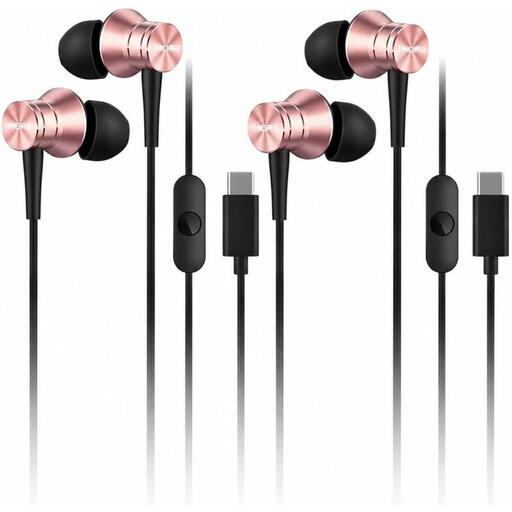
1MORE Piston P10, USB-C, Pink
The wired USB-C version is worth considering if your playback device supports USB-C audio.
This product is listed as wired in-ear headphones with a USB-C connection.
You’ll need a compatible USB-C audio connection on your playback device.
Joybuy
 No image available
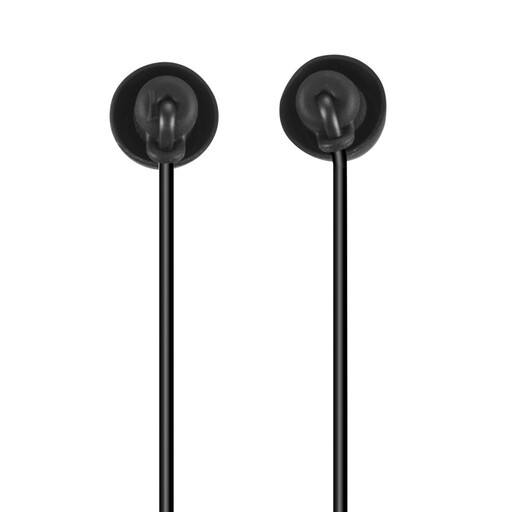
Calm in-ear headphones with USB-C, Black
This wired USB-C version is suitable for playback if your device supports USB-C audio.
You’ll need a compatible USB-C audio output to use it.
Joybuy
 No image available
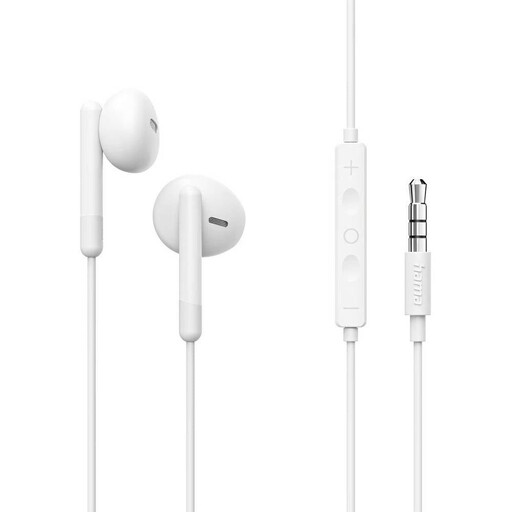
Noble in-ear headphones, 3.5 mm, White
This wired version may suit you if your playback device has a compatible 3.5-mm audio output.
This product is listed with a 3.5-mm connection.
You’ll need a compatible 3.5-mm audio output on your playback device.
Joybuy
 No image available
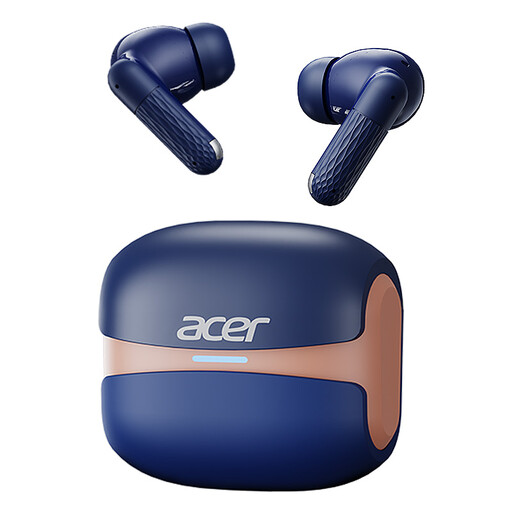
Acer OHR548, Bluetooth 5.4
If you prefer a wireless connection, bear in mind that this model uses Bluetooth and needs to be charged regularly.
The product title specifies Bluetooth 5.4.
You’ll need a Bluetooth-enabled playback device.
Joybuy
 No image available
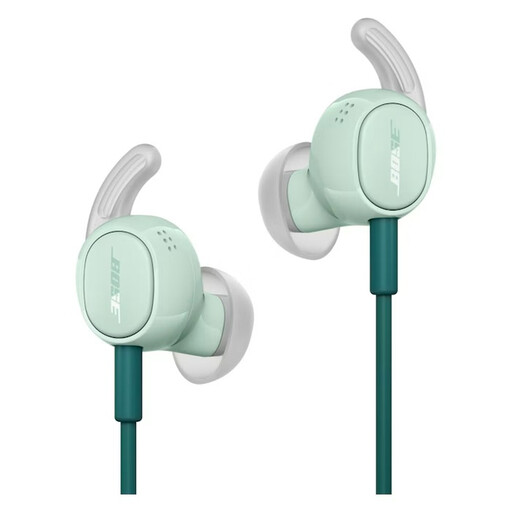
Bose Noise Cancelling Wired Earbuds, Dewdrop Mint
This wired version is worth considering for playback on a compatible USB-C device.
The product name identifies this model as wired in-ear headphones.
It’s designed for compatible USB-C devices.
Joybuy
Frequently asked questions
Do I need in-ear headphones with a built-in feature for slowing down a solo?
No. Repeating a passage and changing its tempo are features of playback software, not the passive in-ear headphones described here. The Audacity manual explains how to loop playback and change the tempo without an intended change in pitch; substantial changes can cause audible artefacts.
How loudly should I listen to repeated passages?
Start quietly, and don’t turn up the volume to compensate for a poorly fitting ear tip. The World Health Organization points out that volume, listening duration and frequency all contribute to the risk of hearing damage, and recommends lower levels and taking breaks. A manufacturer’s isolation figure can’t tell you what volume is safe for you.
How should I care for my in-ear headphones?
Follow the instructions for your specific model. For its IE PRO series, Sennheiser warns against using liquids and cleaning products on the product, and recommends a soft, dry cloth. This manufacturer’s advice isn’t a general care guide for other brands.
If the cable breaks, do I have to replace the whole pair of in-ear headphones?
Not necessarily: Shure describes the SE215 cable as replaceable, and Audio-Technica explicitly states that a replacement cable is compatible with the ATH-E40 and ATH-E50. Check the connection and make sure it’s suitable for your exact model; these examples don’t mean that cables are compatible across brands.
Are in-ear headphones allowed in every German library?
It depends on the rules at the particular location. The official user regulations for Berlin’s public libraries require visitors to be considerate of others and allow for additional house rules and specific rules for technical devices; they don’t set the rules for every library in Germany.


