
Lieferung heute & morgen

Qualitätsgarantie

Willkommens-Angebote freischalten: KOSTENLOSE Lieferung | Bis zu 80 % RABATT | Kostenlose 30-Tage-JoyPlus-Testphase
App herunterladen
Making your own candy is a fascinating activity for children that combines creativity, delicious fun, and scientific discovery. A DIY Gummy Bear Kit offers a great opportunity to spend time together in the kitchen while getting a first glimpse into chemical processes. However, not every kit on the market delivers on its promise. Many products lead to more frustration than a successful result. This guide will help you avoid the most common pitfalls and choose a kit that truly brings joy.
When searching for a suitable candy science kit, buyers often encounter the same issues that can quickly sour the fun. Knowing these weaknesses is the first step toward an informed buying decision.
To ensure the DIY Gummy Bear Kit you choose is a success, you should check three key aspects. These parameters will help you objectively evaluate the quality and utility of a set.
A good kit should be designed as an "all-in-one package." Before buying, check if all the necessary materials are included. These typically include:
The kit should be more than just a baking mix. Look for products explicitly positioned as STEM toys or educational toys. High-quality instructions not only explain the preparation but also the scientific principles behind it. Pay attention to the manufacturer's age recommendation. A gift for kids ages 8 and up should include complex but safe steps, like heating liquids, that can be performed under adult supervision.
The ingredients list should be clear and easy to understand. This is especially important for families with specific dietary needs. Kits explicitly labeled as "vegan" use plant-based gelling agents and are a safe choice for anyone wanting to avoid animal products. This is a clear sign of quality and shows that the manufacturer is responsive to the needs of modern consumers.
Instead of making a one-size-fits-all recommendation, we have selected products for different user profiles.
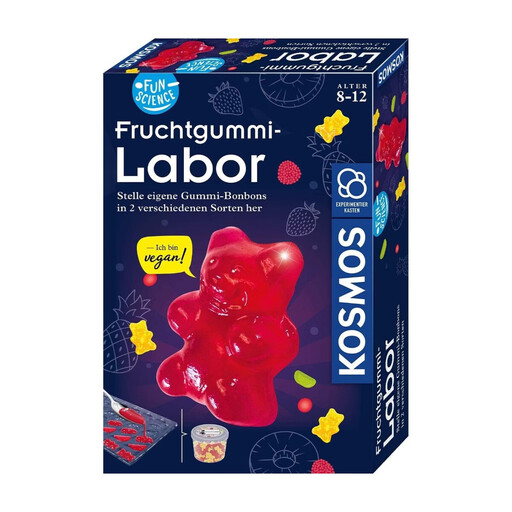
Why This Fits Their Persona: Perfect for kids who don't just want to snack, but also want to understand what's happening in the kitchen. This kit turns candy making into a real scientific experiment.
It's a complete kit that includes a vegan gummy mix, molds, and even gift jars. The instructions explain the science behind the gelling process, avoiding the pitfall of being just a 'mix-and-stir' kit.
Combines kitchen fun with STEM learning. All necessary materials are included, and the formula is vegan.
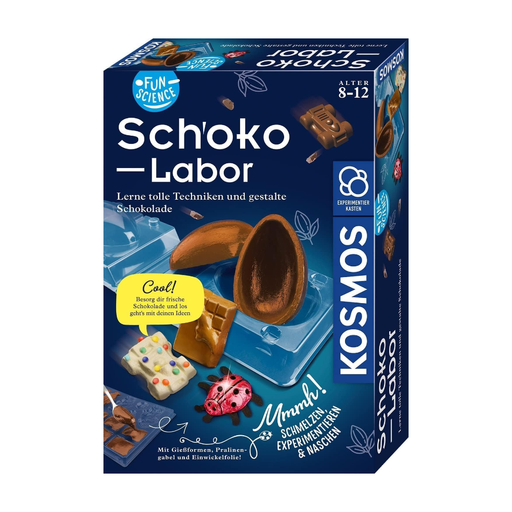
Why This Fits Their Persona: For kids who love chocolate and want to learn how to work with it like a pro. This kit offers an alternative to gummy bears and introduces the art of the chocolatier.
This kit is more than just melting and molding. It teaches techniques like using a double boiler and explains the science behind the melting and binding process, creating real educational value.
Fosters culinary creativity and scientific experimentation. Kids can create their own chocolate figures and filled treats.
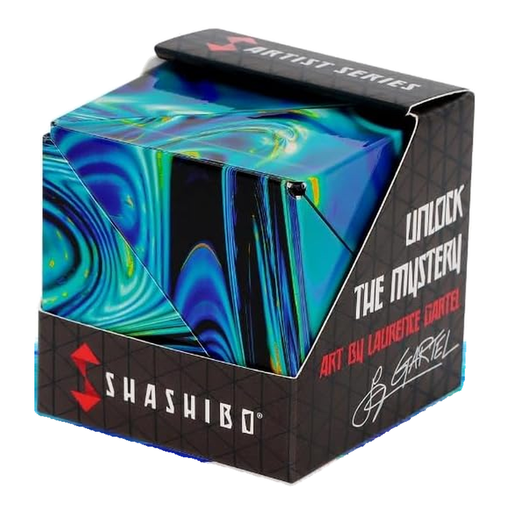
Why This Fits Their Persona: For kids who need a screen-free, creative challenge that goes beyond the kitchen. This toy promotes spatial reasoning, problem-solving, and fine motor skills.
Unlike toys with limited replay value, this cube offers long-lasting, ever-changing fun with over 70 transformation possibilities and the option to combine multiple cubes.
Patented, award-winning design with 36 rare earth magnets. Promotes focus and creativity, making it a captivating sensory toy.
If candy making isn't the right fit, there are many other creative and educational toys. We've curated a selection of products that foster the STEM spirit in other ways.
1. What's included in a typical DIY gummy bear kit? A good kit usually includes one or more powder mixes (gelling agent plus flavor), silicone molds, a measuring cup, and detailed instructions. Some kits, like the one from Kosmos, also include small jars and stickers for packaging the finished gummies as gifts.
2. What is the recommended age for a candy science kit? Most of these kits are recommended for children ages 8 and up. This is because the preparation often requires heating water, which makes adult supervision mandatory. The instructions and scientific explanations are also tailored to the comprehension level of this age group.
3. Can you make vegan gummy bears with these kits? Yes, many modern kits offer this option. Look for products explicitly labeled as "vegan" or that use plant-based gelling agents like agar-agar or pectin instead of animal-based gelatin. The Kosmos Gummy Candy Lab featured here is an example of such a kit.