
Lieferung heute & morgen

Qualitätsgarantie

Willkommens-Angebote freischalten: KOSTENLOSE Lieferung | Bis zu 80 % RABATT | Kostenlose 30-Tage-JoyPlus-Testphase
App herunterladen
Anyone looking to buy gummy sweets online will quickly find a wide selection of gummy bears, fruit gummy mixes, sour gummies and Japanese sweets. Product images often look similar, while ingredients, pack sizes and suitability for particular diets can vary considerably. That is why our selection takes clear information into account, including weight, ingredients, nutritional values, allergens and storage instructions.
A fruit gummy may contain fruit juice or fruit juice concentrate and still have a high sugar content. In many classic products, the main ingredients are sugar and glucose syrup. It is therefore important to check the ingredient order, as well as the ‘of which sugars’ value per 100 grams.
For comparison, according to the product information, KASUGAI Frutia Peach Gummy contains 71 grams of sugar per 100 grams. The reference to concentrated peach juice describes the flavour and recipe, but does not replace checking the nutritional information table.
Many gummy sweets get their firm, elastic texture from gelatine. Products such as YOYO Gummy Jelly Strawberry or ENNJOI Sourmeow Gummy Guava contain gelatine according to their ingredient information and are therefore not suitable for a vegan diet.
If you are looking for vegan gummy sweets, check for clear labelling and the specific ingredients list. Pectin or konjac may be used as gelling or texturing agents. Imported products should also be checked for German product labelling, as recipes and information can vary from one product to another.
A 425-gram pack may look attractive in relation to the individual price, but it will not suit every level of consumption. Once opened, fruit gummies can lose their texture when exposed to moisture or air. Smaller packs, on the other hand, allow you to try several varieties without leaving a large quantity open for a long time.
You should also check the best-before date on the packaging. Availability and batches may change for products shown online. The labelling on the product delivered is the definitive information.
Three questions are particularly important when making your choice:
When buying Japanese sweets and Asian snacks, shoppers should check the complete ingredients and allergen information in German. A product with no explicitly listed allergens is not automatically suitable for every exclusion diet.
‘Sugar-free’ and ‘sugar-reduced’ are legally defined nutritional claims and should not be inferred from the product name alone. Sugar-free sweets often contain sweeteners such as isomalt or acesulfame K. Werther’s Original Sugar-Free Cream Hard Candies explicitly warn that excessive consumption may have a laxative effect.
You should therefore compare:
Soft gummy bears are ideal for snacking straight from the pack, while chewy sweets are kept in the mouth for longer. Hard sweets and boiled sweets can be portioned individually and are practical for taking with you. When giving sweets to children, always follow the age recommendation and heed the choking hazard warning. As a general rule, sweets should never be given to young children without supervision.
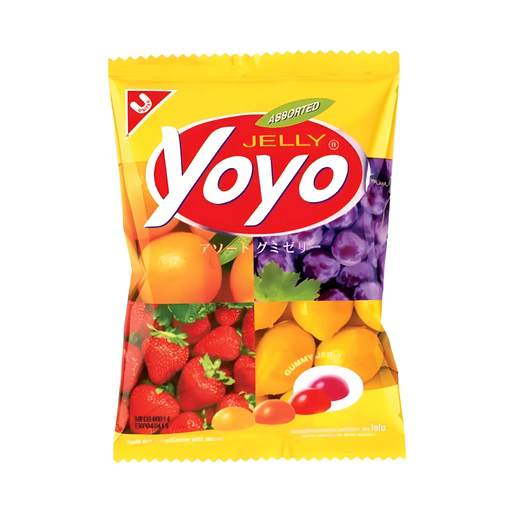
Why this product suits the profile: The 80-gram pack combines orange, lemon, strawberry and grape flavours. It is a manageable option if you want to try several different varieties.
The smaller pack reduces the risk of buying a large quantity of a single variety. The ingredients list 10% mixed juice from concentrate and gelatine.
80 g contents; four flavours; nutritional information and ingredients listed in the product details.
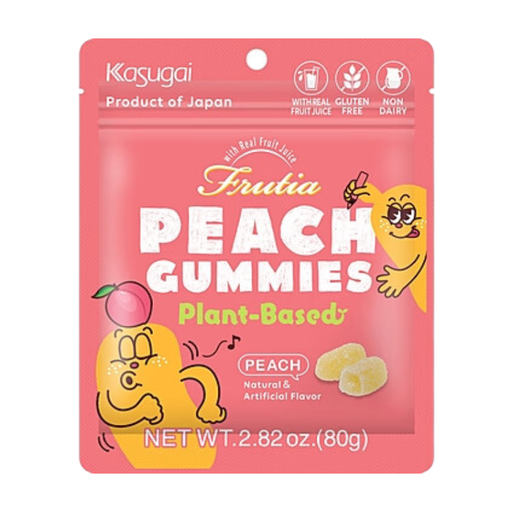
Why this product suits the profile: According to the product information, this Japanese fruit gummy uses pectin and concentrated peach juice. It is an appealing choice for shoppers looking for a plant-based recipe and a single fruit flavour.
The ‘Plant-Based’ label is supported by the stated recipe, which contains no animal ingredients. The label and best-before date should be checked before purchase and again upon delivery.
80 g contents; pectin used as a gelling agent; according to the product information, no animal ingredients and no listed allergens.

Why this product suits the profile: The large pack is aimed at households, offices or shoppers who regularly enjoy hard sweets with eucalyptus and menthol notes.
The product type is clearly identified as a hard sweet. This avoids confusing the expected texture with that of a soft fruit gummy.
425 g pack size; fat-free recipe according to the nutritional information; according to the product description, free from gluten, nuts, milk and soya.
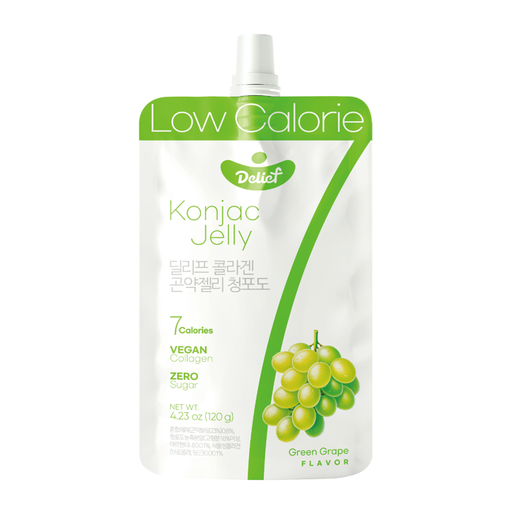
Why this product suits the profile: The konjac jelly texture and clearly stated vegan recipe set it apart from traditional gelatine-based products. It is suitable for shoppers looking for a different type of snack.
The product information states ‘Vegan’ and does not list animal gelatine. If you have intolerances, you should still check the label yourself.
120 g contents; labelled vegan; according to the nutritional information, 0 g sugar per 100 g and 5 kcal per 100 g.
We have put together a complete, regularly updated list of products that fully meet these strict selection criteria and the safety regulations applicable in the EU.
Only products whose ingredients list contains no gelatine or other animal-derived ingredients and which are labelled accordingly are suitable. KASUGAI Frutia Peach Gummy is described as plant-based; Delief Konjac Jelly Green Grape is labelled vegan. The labelling on the packaging delivered should be checked again before consumption.
This depends on the product, packaging and storage conditions. Fruit gummies should be stored somewhere cool and dry, away from direct sunlight. Seal resealable bags carefully and consume the contents soon after opening. Hard sweets are particularly sensitive to moisture.
When ordering sweets online, it is worth comparing the gram weight, price per 100 grams, ingredients, allergens, sugar content and best-before date. This makes it easier to compare gummy bears, fruit gummy mixes, sour gummies, chewy sweets and boiled sweets objectively, rather than relying on product images alone.