Shoppers stocking up
If you want biscuits to last for several occasions, pack size is a useful place to start. EDEKA sells its chocolate paws in a 250 g pack; biscuit shape and ingredients also matter when choosing between varieties.


If you’re shopping on a budget, GUT&GÜNSTIG chocolate paws and chocolate rings are two varieties you can compare by biscuit shape and stated chocolate content: EDEKA lists 18% and 20% respectively. The right pack size and the ingredients and allergen information on the packaging matter too; a higher chocolate content alone won’t determine which variety is right for you.
If you want biscuits to last for several occasions, pack size is a useful place to start. EDEKA sells its chocolate paws in a 250 g pack; biscuit shape and ingredients also matter when choosing between varieties.
If you’re choosing mainly by biscuit shape and chocolate, you can compare EDEKA’s shortcrust biscuits with 18% or 20% chocolate against a different format: ALDI SÜD lists 49% milk or dark chocolate for its BISCOTTO biscuit sticks. These percentages describe the products themselves, not how they taste when eaten.
Wheat, egg and milk are relevant allergens in the GUT&GÜNSTIG varieties mentioned here; traces of nuts may also be present. If you need to avoid particular ingredients, check the information on the exact pack you plan to buy.
Start with biscuit shape and pack size. Then compare the description of the coating, along with the ingredients, allergens and nutritional information on the specific pack.
| Criteria | What to check when buying | Who it matters to |
|---|---|---|
| Pack size | Compare the pack weight with how much you expect to eat: EDEKA lists 250 g for its chocolate paws, while ALDI SÜD lists 90 g for BISCOTTO biscuit sticks. | If I want biscuits to last for several occasions, I don’t want to decide based on format alone. Around 40% of shoppers put finding the right pack size at the heart of their choice. |
| Coating and biscuit shape | Read the product description and ingredients list; the varieties considered here state chocolate contents of 18%, 20% or 49%. | If I’m looking for shortcrust biscuits rather than biscuit sticks, the type of chocolate actually listed matters too. Around 30% of shoppers choose the coating and biscuit shape as their most important criteria. |
| Ingredients and allergens | Check the highlighted allergens and any may-contain warnings on the pack you choose. | If I need to avoid wheat, egg or milk, the ingredients listed for that specific product determine my choice. For around 20% of shoppers, ingredients and allergens come first. |
| Nutritional information | Compare sugar, fat and energy per 100 g; for a portion, take into account how much you’ll actually eat. | If I want to spot differences between biscuits that look similar, I check the nutritional information rather than drawing conclusions from the chocolate content. Around 10% of shoppers make nutritional information their main selection criterion. |
In 2026, Lebensmittelklarheit reported that some ja! and BISCOTTO biscuits contained a cocoa-free chocolate alternative. This doesn’t apply to every product from these brands, but it shows why the packaging image alone can’t tell you what the coating is made of.
Read the product description and ingredients list for the variety you want. If you’re expecting chocolate, check that chocolate is actually listed.
EDEKA lists wheat, egg and milk in its chocolate paws and chocolate rings; traces of nuts may also be present. Similar biscuit shapes are no substitute for checking the details of each product.
Before buying, check the highlighted ingredients and may-contain warnings on the specific pack.
EDEKA notes that product information may differ from the details on the packaging and that an item may not be available in every store.
For the variety actually on offer, check the packaging for ingredients, allergens, pack weight and nutritional information.
These brands offer a point of reference for comparing biscuit types and coatings; details about individual varieties don’t necessarily apply to a brand’s entire range.
EDEKA’s own brand, with chocolate paws and chocolate rings as two documented shortcrust biscuit varieties.
ALDI SÜD’s own brand, which includes chocolate butter biscuits and biscuit sticks.
Lidl includes Sondey in its range of small biscuits.
REWE’s own brand, where the exact description of the coating matters when comparing individual biscuits.
This selection includes butter biscuits and biscuit sticks with different chocolate descriptions. Compare each product description with the type of coating you’re looking for, and check the pack size and packaging details before choosing.
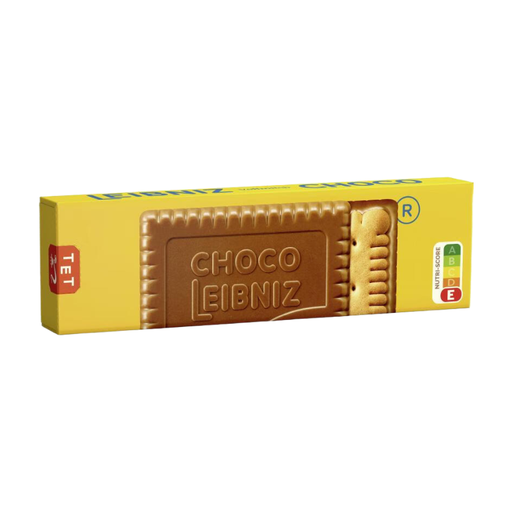 No image available
For shoppers looking for butter biscuits in a 125 g pack. Check the product and packaging details to see whether this variety has a coating or chocolate chunks.
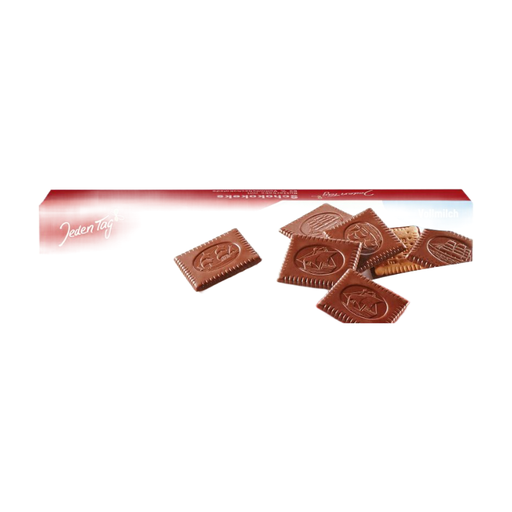 No image available
A 125 g option for shoppers looking for butter biscuits with milk chocolate. Check the pack to see how the chocolate content and any ingredients relevant to you are listed.
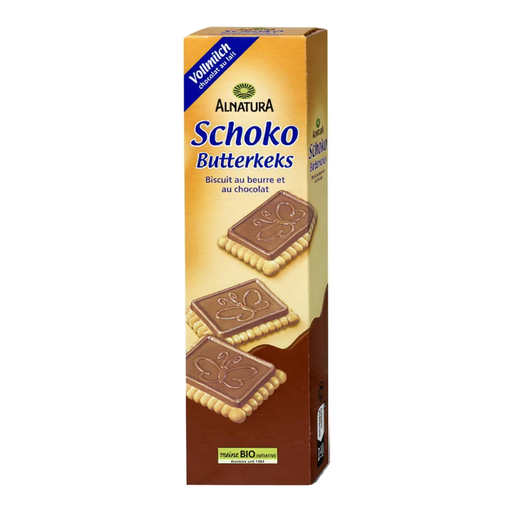 No image available
For shoppers comparing butter biscuits with milk chocolate in a 130 g pack. Check the packaging for the exact ingredients and nutritional information.
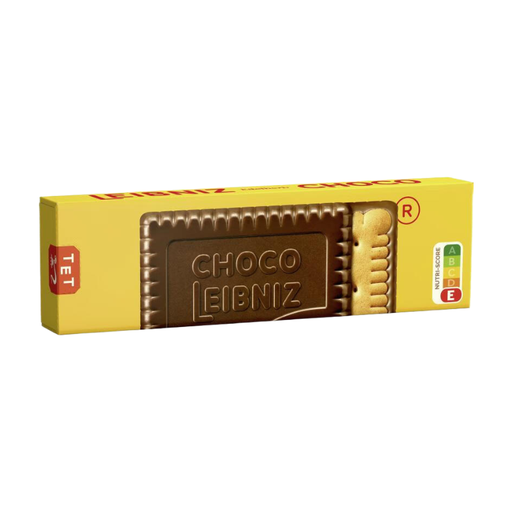 No image available
A 125 g option for shoppers who prefer dark chocolate to milk chocolate. Check the details on the specific pack to see how much chocolate it contains.
 No image available
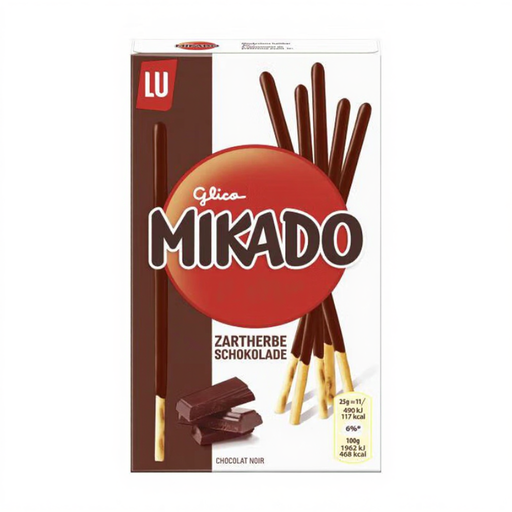
For shoppers looking for biscuit sticks rather than butter biscuits, in a 75 g pack. Read the ingredients list if the exact type or amount of dark chocolate is important to your choice.
No. Some biscuits have used a cocoa-free chocolate alternative, as Lebensmittelklarheit reported in 2026 for certain ja! and BISCOTTO products. Read the product description and ingredients list for the variety in question; EDEKA lists 18% chocolate for its chocolate paws and 20% for its chocolate rings.
EDEKA lists wheat, egg and milk for both varieties; traces of nuts may also be present. Check the details on your specific pack rather than assuming one variety has the same ingredients as another.
Use the product page as a guide, but check the packaging before you choose. EDEKA notes that the product information shown may differ from the packaging; for allergens and nutritional comparisons in particular, the details of the specific variety matter.