For a snack on the go
If you want to eat your popcorn straight from your bag, without access to a kitchen or microwave, look for a ready-to-eat pack. For example, REWE’s online range includes ready-to-eat 120 g options.


If you want to put popcorn straight into your gym bag without any preparation, choose a ready-to-eat snack bag. A larger pack of microwave popcorn or popping corn is a better option if you’re making several portions at home, letting them cool and packing them individually.
If you want to eat your popcorn straight from your bag, without access to a kitchen or microwave, look for a ready-to-eat pack. For example, REWE’s online range includes ready-to-eat 120 g options.
If you regularly make popcorn at home and portion it out for training days, microwave popcorn and popping corn are both options. EDEKA also explains how to prepare popping corn in a pan; make sure the popcorn has cooled before packing it.
If ingredients, allergens or shelf life are important to your choice, check the information on the specific pack. The Verbraucherzentrale recommends using these details as a guide when buying packaged food.
First, decide whether the popcorn needs to be ready to eat straight away or whether you can prepare it at home. A larger pack only helps with planning ahead if you can divide it into practical portions.
| What to consider | What to check when buying | Who it matters to |
|---|---|---|
| Ready to eat | Check the difference between ready-to-eat popcorn, microwave popcorn and unpopped popping corn. | If you’re taking a snack somewhere you can’t prepare it, it needs to be ready to eat. For around 42% of consumers, being able to use it straight away is the priority. |
| Stocking up and portioning | Check the pack size and whether you can divide the prepared popcorn into portions. | If you’re preparing snacks for several training days, you’ll want to be able to portion them out at home. For around 33% of consumers, planning ahead is the priority. |
| Ingredients and shelf life | Check the ingredients, allergens, nutritional information and best-before date on the pack. | If you need to avoid certain ingredients or use up your supplies in time, the information on the specific pack will help you decide. Around 25% of consumers put these checks first. |
Microwave popcorn and popping corn need to be prepared before you can eat them. Until then, they’re no substitute for a ready-to-eat snack bag.
If you want to take popcorn with you without any preparation, choose a ready-to-eat option. Otherwise, make sure you have time to prepare it and let it cool before packing.
REWE’s German online range includes 300 g packs of sweet microwave popcorn under its own brand.
REWE’s German online range includes both 120 g packs of ready-to-eat Chio popcorn and 100 g microwave varieties.
REWE’s range includes Seeberger microwave popcorn in 90 g packs, as well as 500 g packs of popping corn.
This selection includes ready-to-eat popcorn to take with you straight away, and popping corn for portions you prepare at home.
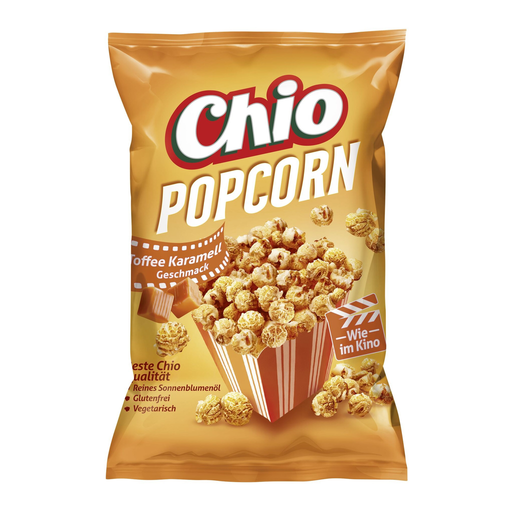 No image available
This ready-to-eat popcorn is a good choice if you want to pack a snack without any preparation. The pack contains 120 g; check the ingredients and allergens on the packaging.
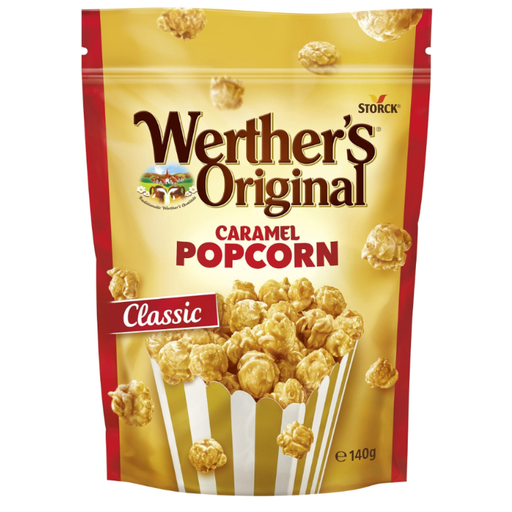 No image available
This ready-to-eat caramel popcorn is a handy option for a snack that needs no preparation. The pack contains 140 g; check the ingredients and allergen information on the specific pack before buying.
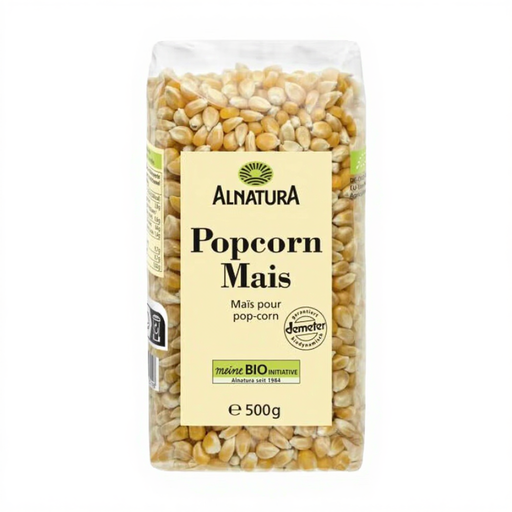 No image available
These popping corn kernels are a good option if you prepare snacks at home and portion them out for future training days. The pack contains 500 g; the kernels need to be prepared before eating, and the popcorn should be left to cool before packing.
Only once it’s been prepared, if you want it as a ready-to-eat snack. Lidl recommends using a microwave to prepare smaller portions; let the popcorn cool before taking it with you.
No, you’ll need popping corn, also known as pearl corn. EDEKA explains that this variety of corn is suitable for making popcorn.
Check the ingredients, any declared allergens, nutritional information and the best-before date on the specific pack. This is particularly important if you’re planning several portions for future training days.