
Lieferung heute & morgen

Qualitätsgarantie

Willkommens-Angebote freischalten: KOSTENLOSE Lieferung | Bis zu 80 % RABATT | Kostenlose 30-Tage-JoyPlus-Testphase
App herunterladen
Finding the right first board game for a toddler can be a challenge. The market is flooded with products promising instant fun and educational value. However, vague descriptions or subpar quality often lead to disappointment for both parents and children. An unsuitable game quickly ends up in a corner instead of bringing the shared joy you were hoping for.
Before you make a decision, it helps to understand the common pitfalls that are often overlooked:
A well-designed first board game takes these aspects into account and lays the foundation for many years of shared gaming experiences.
To make an informed choice that meets the needs of a two-year-old, you should pay attention to a few key parameters. These features determine whether a game will become a long-lasting companion or not.
The material is one of the most critical factors. Wood is often an excellent choice. It's not only durable and robust but also offers a pleasant tactile experience for little hands. Look for smoothly sanded surfaces and the use of saliva-proof, non-toxic paints. The large, chunky wooden pieces in games like HABA First Orchard are specifically designed for a toddler's motor skills. They are resilient enough to be used for free-form building and exploration outside of the actual game.
Between the ages of two and three, children are just beginning to develop their understanding of social interaction. A cooperative game for toddlers is therefore often a better choice than a competitive one. In a cooperative game, all players work together to achieve a common goal—for example, harvesting the fruit before the raven reaches the orchard. This promotes team spirit and prevents frustration, as there are no individual losers. You win or lose as a group, which creates a positive and bonding experience.
A good gift for 2-year-olds should not only entertain but also support development. A colour-learning game with simple rules is ideal. The child learns to recognise the colour on the die and match it to a fruit or object on the game board. This process trains not only colour recognition but also hand-eye coordination and an initial understanding of how games work. The rules should be simple enough to be understood and followed after a brief explanation.
Depending on your child's interests and developmental stage, a different game might be the right choice. Here are some recommendations tailored to different profiles.
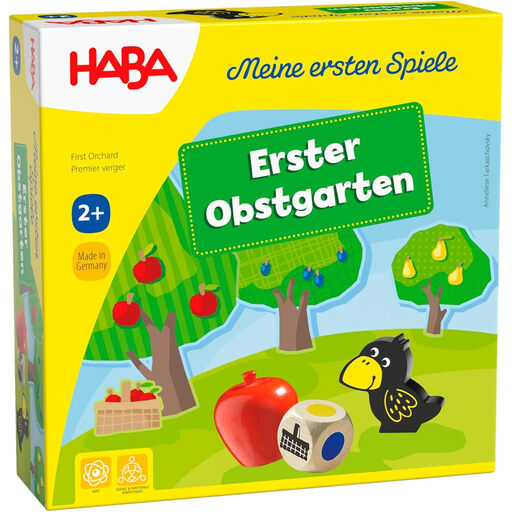
Why This Fits Their Persona: This game is the ideal entry point for families looking to introduce their child to board games. It combines simple rules with high-quality materials and a positive, collaborative gameplay experience. It is one of the most well-known HABA games for ages 2 and up.
The cooperative principle prevents frustration from losing. The large, easy-to-grip fruits made of wood are durable and safe for little hands, minimising the risk of choking hazards and rapid wear and tear.
Promotes colour recognition and team spirit; very simple, age-appropriate rules; durable game materials made of wood and sturdy cardboard.
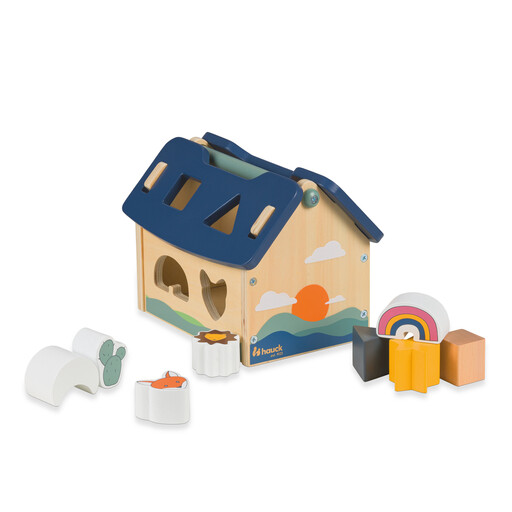
Why This Fits Their Persona: Ideal for parents who want to focus specifically on training fine motor skills and the recognition of shapes and colours. It is a classic motor skills toy that is suitable for children as young as 1 year old.
The gameplay is self-explanatory and doesn't overwhelm with rules. According to the manufacturer, it uses FSC-certified wood, which stands for sustainable and robust quality. The blocks are large and safe.
Promotes hand-eye coordination and an understanding of shapes; also serves as a storage box for the blocks.
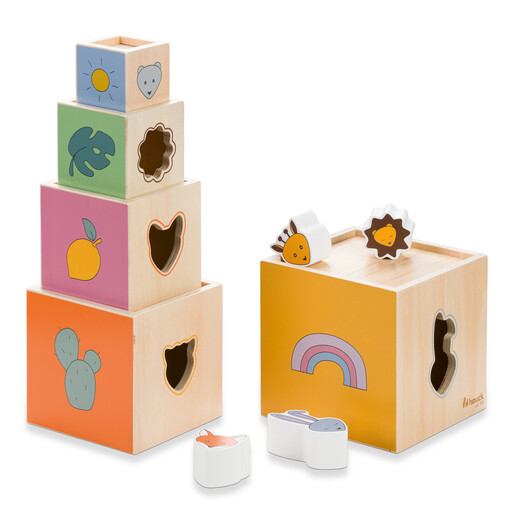
Why This Fits Their Persona: Perfect for children who enjoy building, stacking, and sorting. This toy playfully combines several learning aspects, such as counting, size relationships, and matching animals.
The multifunctional cubes made of FSC-certified wood are durable and offer a variety of play options, reducing the risk of boredom setting in quickly. There are no complex rules to cause frustration.
Promotes counting, size comprehension, and motor skills; space-saving storage thanks to the stacking design; versatile use (stacking, sorting, counting).
We have compiled a complete, up-to-date list of products that fully meet these strict selection criteria and German safety regulations.
Yes, the game is specifically designed for children aged 2 and up. According to the manufacturer, HABA, the game materials are robust, and the large wooden pieces are shaped to be easily gripped by small hands, posing no choking hazard. The paints used are water-based and non-toxic. Nevertheless, as with any toy for this age group, adult supervision is recommended.
A round of "First Orchard" is very short, typically lasting only about 5 to 10 minutes. This brief playtime is perfectly suited to a toddler's attention span and allows for several consecutive rounds without the child becoming impatient.
Cooperative means that all players work together towards a common goal. In "First Orchard," everyone plays together against Theo, the cheeky raven. The objective is to harvest all the fruit from the trees before the raven reaches the orchard. There is no single winner or loser. Either the team wins together, or the raven is faster. This strengthens the sense of "us" and teamwork.