
Lieferung heute & morgen

Qualitätsgarantie

Willkommens-Angebote freischalten: KOSTENLOSE Lieferung | Bis zu 80 % RABATT | Kostenlose 30-Tage-JoyPlus-Testphase
App herunterladen
Choosing a baby's first toy is an important decision. Parents and gift-givers often look for a HABA grasping toy or a similar wooden clutching toy because the brand represents quality and educational value. However, the baby toy market is saturated with products whose marketing promises often suggest more than they deliver. Certain design flaws or excessive features can lead to a toy being quickly ignored or even posing safety concerns. This guide will show you what to look for to make an informed decision.
Before making a purchase, it's helpful to understand the most common issues that can arise with baby toys.
To avoid these pitfalls, you should focus on three objective parameters. These will help you assess the quality and suitability of a grasping toy.
The material is the foundation for a safe and durable baby toy for ages 6 months and up. A wooden grasping toy made from robust woods like beech is often an excellent choice, as the material is resilient and has a naturally pleasant tactile feel. It is essential to ensure compliance with the European toy safety standard DIN EN 71. This standard regulates mechanical properties and chemical safety, among other things. A crucial aspect is the use of saliva-resistant and non-toxic paints, as babies at this age primarily explore their world with their mouths.
At around six months of age, babies begin to transition from an unconscious grasping reflex to purposeful grabbing. A good wooden clutching toy should support this transition. Look for the following features:
A good motor skills toy stimulates the senses in a gentle and natural way. A wooden rattle, for example, produces a pleasant, muted sound that trains auditory perception without startling the child. The smooth or textured surface of wood offers a rich tactile experience. Bold, clear colours are visually appealing but should not be flashing or overwhelming. The goal is to awaken curiosity and invite exploration.
Based on the criteria above, we have identified several products suitable for different requirements and preferences.
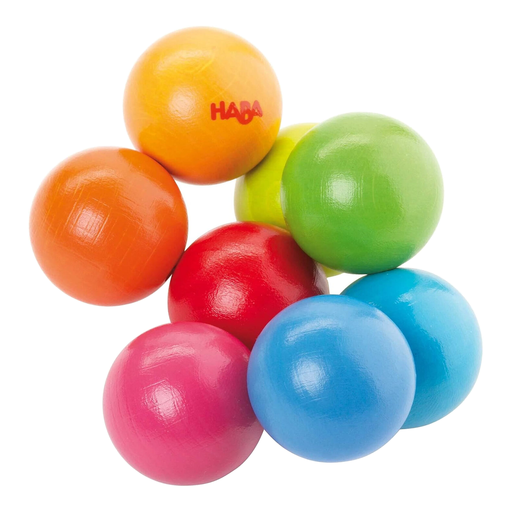
Why This Fits Their Persona: Ideal for parents who value classic, durable, and sustainable toys. This HABA baby toy is a timeless companion for the first stage of development.
Made from solid beech wood, it is extremely robust and safe. It avoids the overstimulation trap with simple, mechanical functions and natural materials.
The movable, colourful beads promote fine motor skills and hand-eye coordination. The rattling sound provides gentle auditory stimulation.
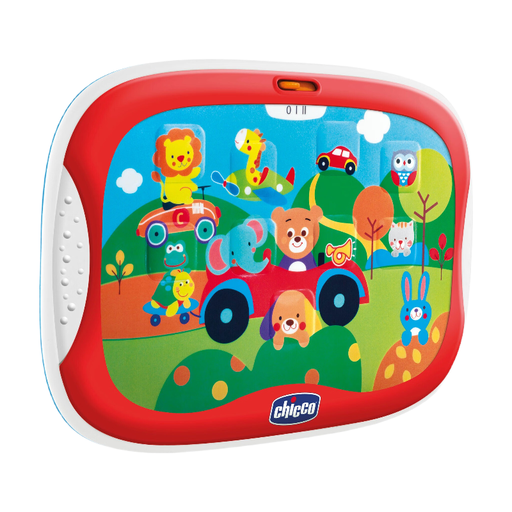
Why This Fits Their Persona: Suitable for families looking for an early, playful introduction to electronic toys with clear learning objectives.
Although electronic, it offers controlled stimulation with large, clear buttons and two volume levels. The lightweight design is made for small hands and is robust enough for on-the-go use.
Promotes the recognition of animal and vehicle sounds and the principle of cause and effect. Its slim profile is ideal for grasping and holding.
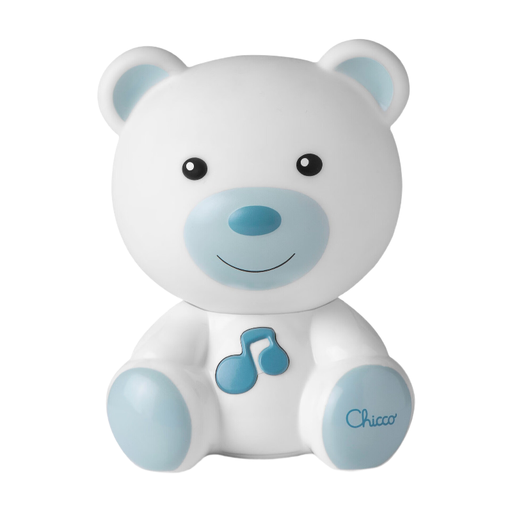
Why This Fits Their Persona: Perfect for parents seeking a soothing object that creates a relaxing atmosphere and does not serve as an active toy.
This product is not a toy in the classic sense, thus avoiding the risk of overstimulating a baby before sleep. It serves a clear, calming purpose.
Functions as a nightlight and a portable orientation light. The gentle lighting and melodies can help establish a calm sleep environment.
We have compiled a complete, real-time list of products that fully satisfy these strict selection criteria and UK safety regulations.
1. How do you properly clean a wooden HABA grasping toy? A wooden grasping toy should never be submerged in water or treated with harsh disinfectants, as this can cause the wood to swell and become damaged. To clean it, simply wipe the surface with a slightly damp cloth. Afterwards, let the toy air-dry completely.
2. From what age is a HABA baby toy like the 3856 grasping toy suitable? The manufacturer's age recommendation for the 3856 grasping toy is 6 months and older. This is the point at which most babies begin to purposefully reach for objects and pass them from one hand to the other. The toy's design is precisely tailored to this phase of motor skill development.
3. Are wooden grasping toys safe for babies to put in their mouths? Yes, provided they come from a reputable manufacturer and meet the relevant safety standards. Brands like HABA explicitly use water-based, saliva-resistant lacquers for their HABA baby toys, which are certified as non-toxic according to the DIN EN 71 standard. This ensures that no harmful substances are released when the baby puts the toy in their mouth.