
Lieferung heute & morgen

Qualitätsgarantie

Willkommens-Angebote freischalten: KOSTENLOSE Lieferung | Bis zu 80 % RABATT | Kostenlose 30-Tage-JoyPlus-Testphase
App herunterladen
Choosing the right hair clipper can be the difference between a precise, clean cut and a frustrating result. However, the market is flooded with devices whose marketing promises often suggest more than the technology can deliver. As your Joybuy Product Recommendation Officer, I'll help you identify the crucial features and avoid common purchase traps, ensuring you find a device that meets your needs—whether for professional use or for perfect results at home.
Before we dive into the technical details, let's highlight the most common issues that lead to disappointment when choosing a new device.
To make an informed decision, you should focus on three core technical aspects. These determine the performance, durability, and precision of your future hair clipper.
The motor is the heart of any clipper. A basic motor might suffice for fine hair, but for dense hair textures or continuous professional use, a powerful motor with a high speed (Revolutions Per Minute, RPM) is essential.
The blades are responsible for precision. The material directly impacts sharpness, durability, and heat generation.
A good precision trimmer is also characterized by a finely adjustable cutting length directly on the device (often via a lever), supplemented by sturdy attachment combs.
The choice of power source heavily depends on your usage scenario.
Here are some models tailored to specific needs that meet the quality criteria mentioned.
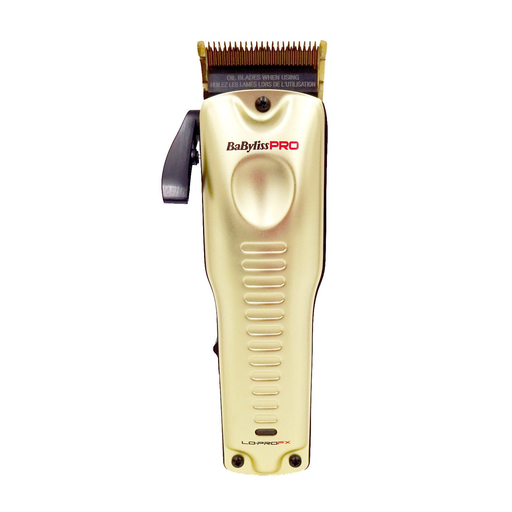
Why This Fits Their Persona: Designed for barbers and stylists who need a robust workhorse for daily use. The combination of a high-torque motor, long battery life, and a precise fade blade allows for hours of uninterrupted work at the highest level.
The high-performance digital motor with 6,800 RPM and the lithium-ion battery with up to 140 minutes of runtime bypass the trap of weak performance and short battery life. The titanium blade is designed for durability and precision, not for short-lived marketing gimmicks.
Flexible hybrid (corded/cordless) operation for maximum reliability. A precise 5-level metal taper lever for exact transitions (fades).
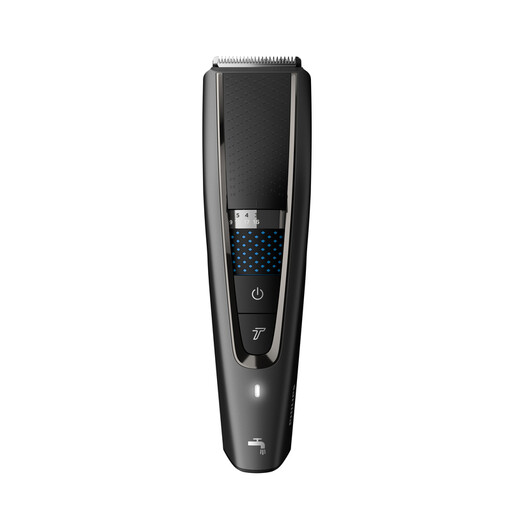
Why This Fits Their Persona: Ideal for families or discerning individuals who want to achieve professional results at home. Its simple operation, wide range of length settings, and reliable performance make haircutting straightforward.
With 90 minutes of runtime from just a 1-hour charge, it avoids the battery trap. The Trim-n-Flow Pro technology prevents hair from getting stuck in the comb—a common annoyance with cheaper models. The set is well-thought-out, not bloated.
28 lock-in length settings (0.5–28 mm) offer tremendous versatility. The device is 100% washable, which significantly simplifies cleaning.
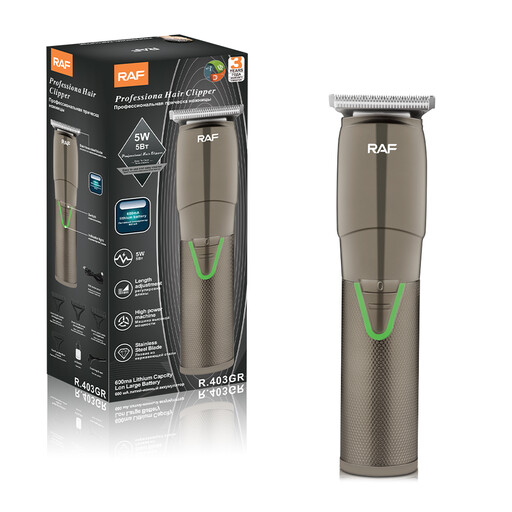
Why This Fits Their Persona: For users looking for a reliable device for simple haircuts or beard trimming without a large budget. It offers solid basic functions and modern features for occasional home use.
Despite its budget-friendly price, it features a 5W motor and stainless steel blades, which prevents pulling and snagging. The modern Type-C charging port is a practical feature often missing even in more expensive devices, avoiding the trap of outdated charging technology.
Compact and lightweight metal body for good handling. The T-blade is well-suited for precise edges and outlines, making it a good beard and hair trimmer.
We have compiled a complete, up-to-date list of products that fully meet these strict selection criteria and safety regulations.
For optimal performance and longevity, it is recommended to clean the blades after each use and then apply one or two drops of the included or a specialized clipper oil. This reduces friction, prevents wear, and keeps the blades sharp.
A hair clipper is primarily designed for cutting head hair to various lengths and features wider blade sets and more robust motors. A precision trimmer (or detailer) has narrower blades and is intended for fine detail work, such as defining contours on the beard, nape, and around the ears. Many modern devices combine both functions.
This depends on the specific model. High-quality devices with a hybrid function allow for corded operation even when the battery is dead. With cheaper models, this is often not possible, which can lead to forced downtime. Look for terms like "corded/cordless use" in the product description.