
Lieferung heute & morgen

Qualitätsgarantie

Willkommens-Angebote freischalten: KOSTENLOSE Lieferung | Bis zu 80 % RABATT | Kostenlose 30-Tage-JoyPlus-Testphase
App herunterladen
Choosing the right hair clipper can be the difference between a precision haircut and a frustrating experience. However, the market is flooded with devices making bold promises that they often fail to deliver in practice. Many users invest in a device only to find that the battery is unreliable, the blades snag, or the accessories are useless. This guide will help you identify these pitfalls and make an informed decision.
As a Joybuy Product Recommendation Officer, my job is to filter market information and provide you with objective, practical advice so you can find a device that meets your actual needs.
Before you make a decision, you should be aware of the three most common issues that can lead to a bad purchase:
To avoid the problems mentioned above, you should focus on three objective core parameters. These determine the performance, durability, and versatility of your future hair clipper.
The quality of the cutting head is crucial for a clean cutting result. Look for the following materials:
The motor's power determines whether the machine glides effortlessly through dense hair or gets stuck. A powerful motor, often with speeds of 6,000 RPM or more, ensures constant cutting power without pulling hair. Professional-grade devices often feature powerful digital or magnetic motors that don't lose power even during prolonged use.
For maximum flexibility, a cordless hair clipper is the top choice. Pay attention to the following features:
Here are some recommendations tailored to specific user profiles and their requirements.
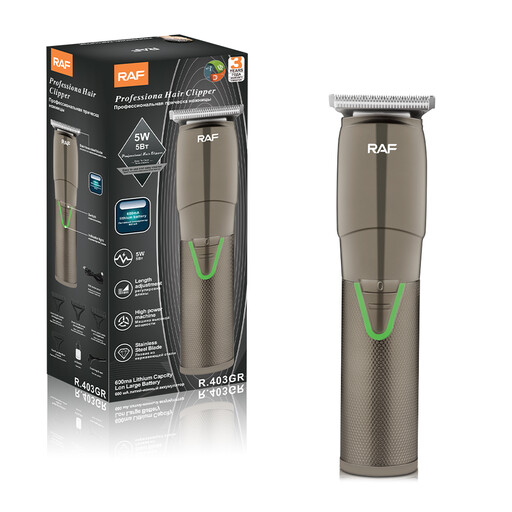
Why This Fits Their Persona: Ideal for users looking for a straightforward and cost-effective solution for regular haircuts at home, without sacrificing essential performance.
The 5-watt high-performance motor and stainless steel T-blade counter the problem of hair pulling (Pitfall 2), ensuring a clean cut.
Solid basic features with a precise T-blade for outlines and a modern Type-C charging cable for added convenience.
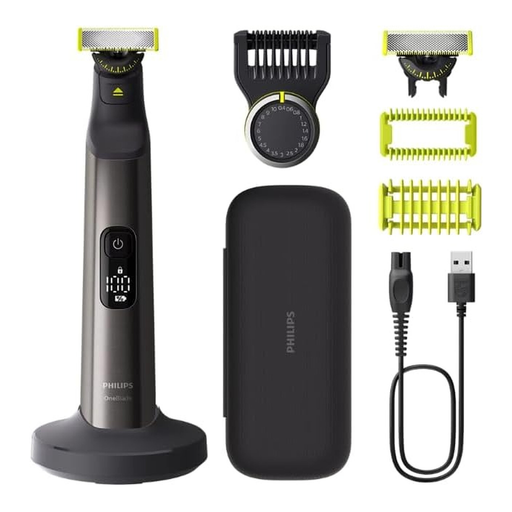
Why This Fits Their Persona: Perfect for the modern man who wants a single, reliable tool for grooming his beard, face, and body, and who values precision and skin comfort.
This device is a specialist in versatility, bypassing the "all-in-one" compromise (Pitfall 3). The OneBlade technology is specifically designed for trimming, styling, and shaving any hair length.
The 360 Blade adapts to the contours of your face. The device is fully waterproof and offers a battery runtime of up to 90 minutes.
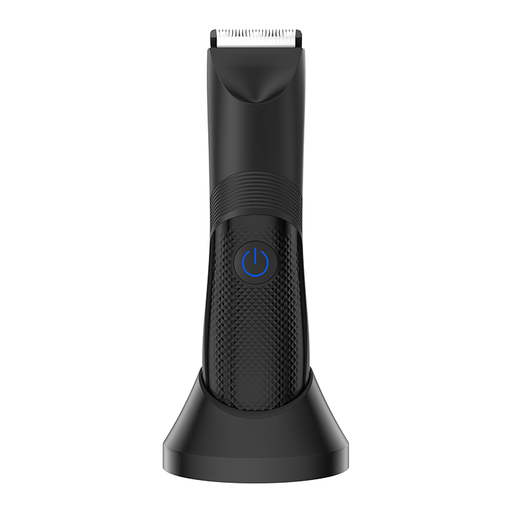
Why This Fits Their Persona: Designed for users who need a dedicated **body groomer** for safe and hygienic hair removal on the body, including in sensitive areas.
The combination of ceramic blades and a powerful motor (5000 RPM) minimises the risk of snagging and skin irritation (Pitfall 2). The IPX7 certification guarantees true water resistance for cleaning and wet use.
Specialises in body grooming with skin-friendly blades. The device is quiet (under 55 dB) and charges conveniently via a Type-C port.
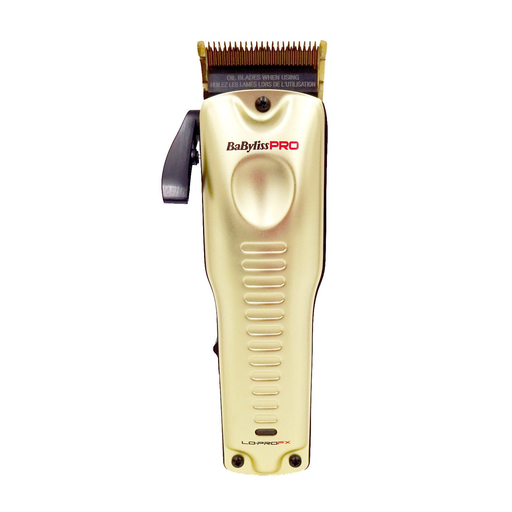
Why This Fits Their Persona: For users who expect professional, barber-shop quality results. Ideal for precise fades, cutting very thick hair, and frequent use.
This device avoids the pitfalls of a weak battery (Pitfall 1) and an underpowered motor (Pitfall 2) with a high-performance digital motor (6,800 RPM) and a Li-ion battery offering up to 140 minutes of runtime.
Professional-grade features: 45mm titanium fade blade, a 5-level adjustment lever for the finest length settings, and 8 comb attachments for maximum control.
We have compiled a complete, real-time list of products that fully meet these strict selection criteria and UK/EU safety regulations.
1. How often do the blades of a hair clipper need to be oiled or replaced? Maintenance depends on the material and frequency of use. Ideally, stainless steel blades should be cleaned with a brush after each use and treated with a few drops of blade oil to minimise friction and wear. Ceramic and titanium blades are lower-maintenance. Blade replacement is generally recommended when cutting performance noticeably declines or the blades are damaged. Some manufacturers, like Philips with its OneBlade series, provide specific replacement intervals (e.g., every 4 months).
2. What is the difference between a hair clipper and a beard trimmer? Although their functions overlap, there are significant differences. A hair clipper typically has a wider cutting head and a more powerful motor to efficiently cut larger areas and thicker scalp hair. A beard trimmer is narrower and more finely constructed to create precise contours on the beard, sideburns, and neckline. It often features finer length settings for different beard lengths.
3. Can I use a hair clipper for a clean-shaven head? Yes, many hair clippers can be used for a very close shave that approaches a bald look. However, they are not designed for a completely smooth result like a wet shave. For that purpose, there are special head shavers (often with rotary shaving heads) that adapt better to the contours of the head and achieve a smoother finish. A hair clipper without an attachment typically achieves a cutting length of about 0.5 mm.