
Lieferung heute & morgen

Qualitätsgarantie

Willkommens-Angebote freischalten: KOSTENLOSE Lieferung | Bis zu 80 % RABATT | Kostenlose 30-Tage-JoyPlus-Testphase
App herunterladen
The market is flooded with hair clippers, and choosing the right device can quickly become overwhelming. Whether for a simple short haircut, precise fades, or professional use, the requirements for a hair clipper are highly individual. This article serves as a guide to help you navigate your options. It presents objective criteria for selection and showcases various models to provide you with a solid basis for an informed decision.
To find the right device for your needs, several technical features are crucial. The following points will help you better understand and compare the specifications of hair clippers.
The blades are the heart of any hair clipper. Most models use stainless steel blades, known for their durability and sharpness. Some devices, particularly in the premium segment, feature titanium-coated blades or ceramic blades. Titanium coatings can further enhance durability and maintain sharpness for longer. Self-sharpening blades are a practical feature, as they reduce maintenance and ensure consistent cutting performance over an extended period.
The choice between a cordless hair clipper and a corded model depends on your personal preferences.
A hair clipper's versatility is reflected in the number of available cutting lengths. These are typically managed either with various attachment combs or via an adjustable dial directly on the device. A wide range of length settings, from under 1 mm to over 20 mm, allows for a variety of hairstyles, from very short buzz cuts to longer top sections. A comprehensive hair clipper set, which includes scissors, a comb, and a storage case in addition to various combs, can be especially beneficial for beginners.
Based on the criteria above, we have compiled a selection of models that cater to different needs and applications.
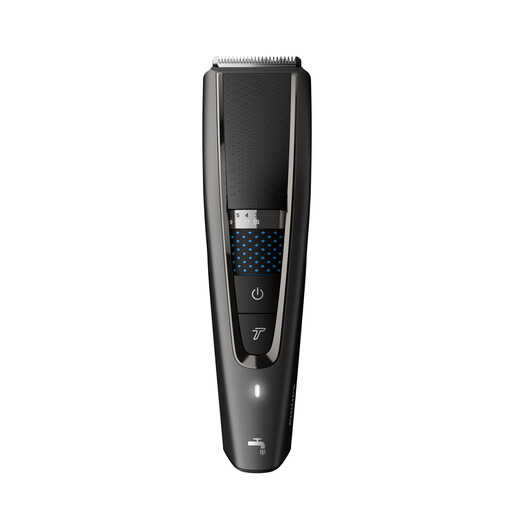
What makes this model stand out: The Philips HC7650/15 is designed as an all-in-one solution for home use. According to the manufacturer, its Trim-n-Flow Pro technology prevents cut hair from getting stuck in the comb, allowing for an uninterrupted cutting session. The DualCut technology with double-sharpened blades ensures an efficient cut.
Benefits at a glance:
Who is this model for? This model is an excellent choice for beginners and home users looking for a straightforward and reliable men's hair clipper that comes with all the necessary accessories to get started.
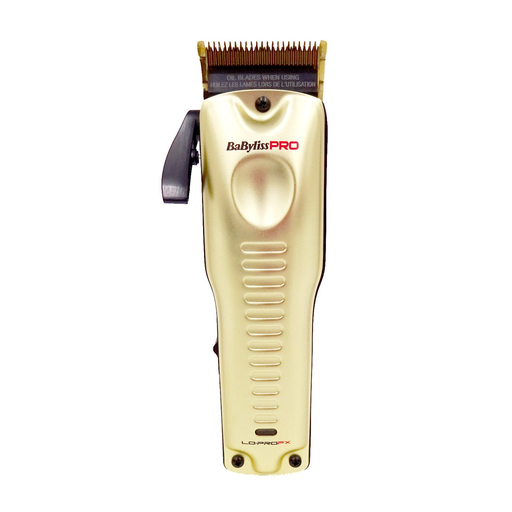
What makes this model stand out: This professional hair clipper from BaByliss PRO is aimed at demanding users. It features a high-performance digital motor with 6,800 RPM and a precision-adjustable titanium fade blade. The 5-position metal taper lever allows for fine adjustments to create clean fades.
Benefits at a glance:
Who is this model for? Ideal for advanced home users and professionals who need a powerful tool for precise cuts, fades, and outlines, and who value a durable build.
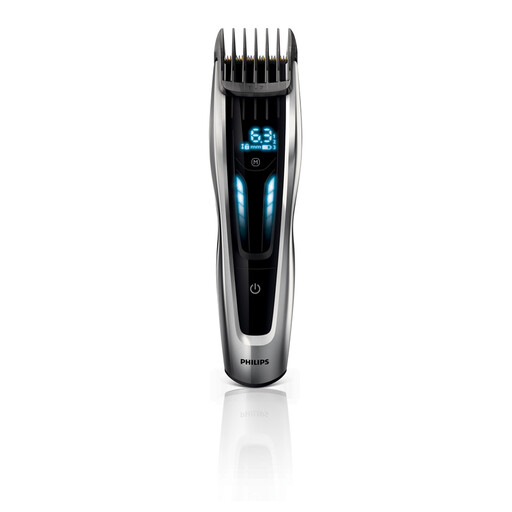
What makes this model stand out: The Philips hair clipper Series 9000 focuses on digital precision. The cutting length is controlled via a digital touch interface that precisely adjusts the motorized combs. With over 400 length settings and a memory function for preferred lengths, this device offers a high degree of control and consistency.
Benefits at a glance:
Who is this model for? This device is aimed at tech-savvy users seeking maximum precision and convenience. The memory function is particularly practical for achieving consistent results with every haircut.
Haven't found the right model for your needs yet, or want to compare more alternatives? There is a wide variety of other devices that differ in performance, features, and price.
Explore our full range of professional rotary trimmers
This depends on the model. Many modern hair clippers, like the featured Philips models, have self-sharpening blades that, according to the manufacturer, do not require regular oiling. For devices without this feature, it is recommended to treat the blades with one or two drops of the included or a suitable blade oil after each cleaning to reduce friction and extend their lifespan. Always follow the manufacturer's instructions.
Although both devices function similarly, they are optimized for different tasks. Hair clippers typically have wider blades and more powerful motors to efficiently cut larger areas and thicker hair on the head. Beard trimmers are more compact, have narrower blades for precise contours and detail work on the face, and often offer finer length settings for shorter hair.
Many modern cordless hair clippers support combined corded and cordless operation. This means you can plug the device into the charging cable and continue your haircut immediately, even if the battery is empty. Check the product specifications for this feature, as not all models offer it.