
Lieferung heute & morgen

Qualitätsgarantie

Willkommens-Angebote freischalten: KOSTENLOSE Lieferung | Bis zu 80 % RABATT | Kostenlose 30-Tage-JoyPlus-Testphase
App herunterladen
For many, reaching for their own hair clippers is a practical and cost-effective alternative to visiting the salon. Whether for a precision cut at home, touching up contours, or regular haircuts for the whole family, a reliable device is crucial. However, the market is filled with tempting offers that don't always deliver on their promises. As your Joybuy Product Recommendation Officer, I'll help you recognise the common pitfalls and make an informed decision.
Many buyers invest in a device that starts to lose performance after just a few months. The most common reasons for this are three widespread flaws, often hidden behind marketing promises:
To avoid these problems, it's important to understand the technical features that truly matter.
A good machine for cutting your own hair is defined not by advertising slogans, but by its technical fundamentals. Before buying, pay attention to the following three core aspects.
The quality of the cut depends directly on the blades and the motor.
The power supply determines how and where you can use your device.
A versatile device adapts to your needs.
Based on these objective criteria, we have selected a few models from our range that are particularly suitable for specific requirement profiles.
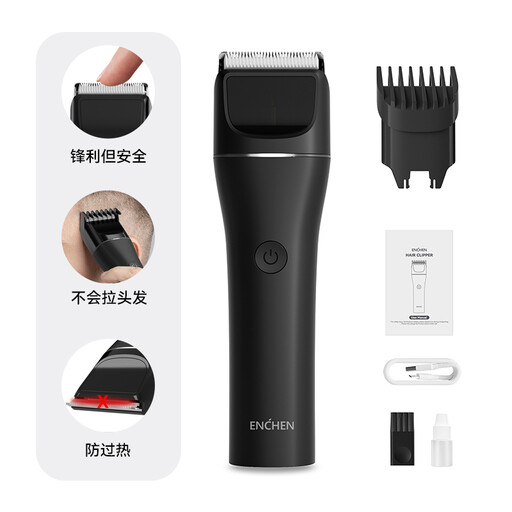
Why it's a good fit: Ideal for users looking for a straightforward and flexible solution. The integrated sliding comb eliminates the need to switch between different attachments, simplifying handling and making it perfect for quick family haircuts.
The ceramic blade counteracts the pitfall of inferior, hot-running blades. The fast Type-C charging minimises the risk of being interrupted by a dead battery.
Integrated sliding comb for lengths from 0.7 to 21 mm. Ceramic blade for low heat generation and long-lasting sharpness. Two speed settings for different hair types.
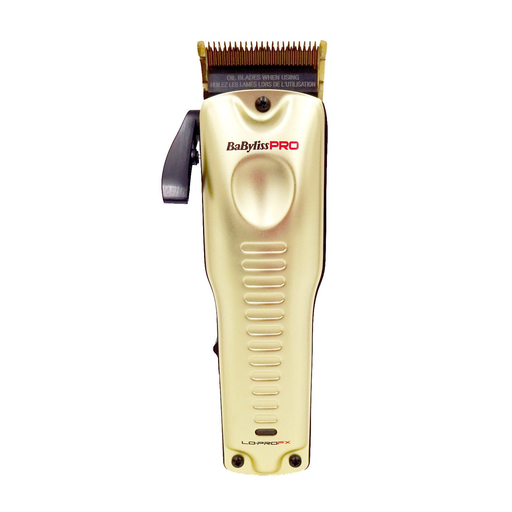
Why it's a good fit: For users who expect professional results, precision for fades, and high durability. The combination of a powerful motor and a high-quality blade effortlessly handles even thick and demanding hair.
This device debunks the "pro-label trap" with a powerful digital motor at 6,800 RPM and the "blade trap" with a 45mm titanium fade blade. The combined corded and cordless operation offers absolute reliability.
High-performance digital motor. Precision-adjustable titanium fade blade (zero-gap capable). Robust 5-level metal locking lever for cutting lengths. Up to 140 minutes of cordless runtime.
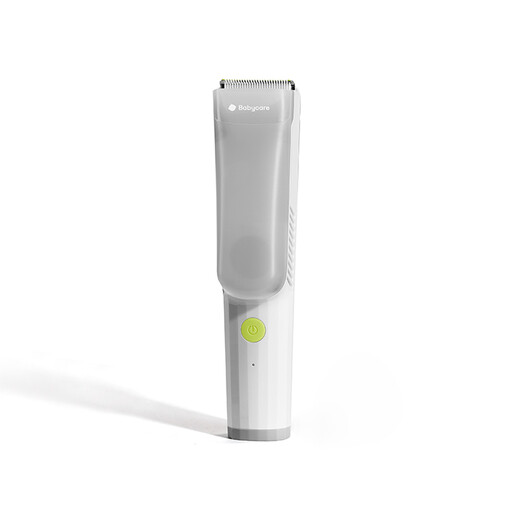
Why it's a good fit: Specially designed for parents seeking an exceptionally safe and stress-free solution for their children's haircuts. The focus is on minimal noise and safety features to make the process as pleasant as possible for the child.
This device avoids the trap of loud, intimidating motors. According to the manufacturer, the noise level is below 60 dB. The ceramic blade minimises the risk of skin irritation from heat and sharp edges.
Very quiet operation. Integrated vacuum function to suction up cut hair. Safety ceramic blade specially designed for sensitive children's skin. Suitable for children from 6 months.
We have compiled a complete, up-to-date list of products that fully meet these strict selection criteria and safety regulations.
1. How often should you oil the blades of a hair clipper? The frequency depends on usage and cleaning. A good rule of thumb is to oil the blades after every few uses. If the blade head is washable, it should always be treated with a drop of blade oil after cleaning and complete drying. This maintains cutting performance, reduces friction and heat, and extends the life of the blades.
2. Can I use a beard trimmer to cut the hair on my head? This is possible for minor corrections or very short hair, but not ideal. A beard trimmer typically has a narrower blade head and is designed for detail work and contours. A hair clipper, with its wider blade head and often more powerful motor, is much more efficient for cutting larger areas on the head.
3. What do "self-sharpening blades" really mean? Self-sharpening blades, usually made of stainless steel, are designed to rub against each other slightly during operation. This process continuously hones the edges, keeping them sharp longer than blades without this feature. However, it does not mean they will never wear out. Even self-sharpening blades will lose their sharpness over time and depending on use.