
Lieferung heute & morgen

Qualitätsgarantie

Willkommens-Angebote freischalten: KOSTENLOSE Lieferung | Bis zu 80 % RABATT | Kostenlose 30-Tage-JoyPlus-Testphase
App herunterladen
Regular trips to the barber can be time-consuming and expensive. That's why more and more men are choosing to cut their own hair. A high-quality hair clipper is the essential tool for the job. But the market is vast, and the choices can be overwhelming. This guide is designed to help you navigate the options and introduce various models, making it easier to choose the right device for you—whether you're a beginner or already experienced with at-home haircuts.
Before you decide on a model, it's wise to compare a few key technical features. These three criteria are crucial for achieving a great result and ensuring ease of use.
The blades are the heart of any hair clipper. The choice of material affects sharpness, durability, and maintenance requirements.
The power source determines your flexibility when cutting hair.
The range of adjustable cutting lengths determines how versatile you can be with hairstyles and fades. Most devices are sold as a hair clipper kit.
Based on the criteria above, we've compiled a selection of clippers that cater to different needs.

Why it stands out: This model is distinguished by its extensive technical features. A digital display shows the battery level and selected RPM. The ability to adjust the motor speed across four levels (5500 to 7000 RPM) provides excellent control for different hair types. The combination of a titanium steel blade and a movable ceramic blade is designed for durability and precision.
Pros:
Who it's for: Users looking for a device with long battery life, adjustable motor power, and modern features like a digital display.
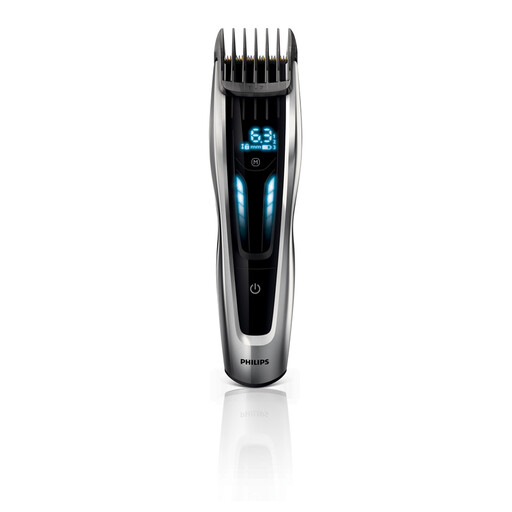
Why it stands out: The Philips Hair Clipper Series 9000 is engineered for maximum precision. It operates via digital touch controls, allowing you to select from over 400 length settings between 0.5 mm and 42 mm. Motorised combs automatically adjust to the selected length. The memory function, which saves up to three length settings per comb, simplifies recurring haircuts.
Pros:
Who it's for: Tech-savvy users and perfectionists who value ultimate precision, digital controls, and repeatable results. Ideal for complex hairstyles with precise fades.
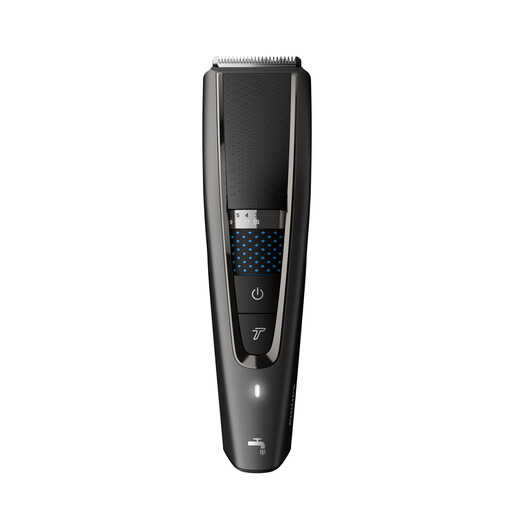
Why it stands out: This Philips Series 7000 model is designed as a practical, all-in-one package. Its Trim-n-Flow Pro technology prevents cut hair from getting stuck in the comb, ensuring an uninterrupted haircut. The PowerAdapt sensor automatically adjusts the motor's power to match hair density. The included barber kit with a cape, scissors, and comb makes it a great choice for anyone starting out with DIY clipper cuts.
Pros:
Who it's for: Beginners and budget-conscious users looking for a reliable and straightforward hair clipper kit for regular at-home use.
The models featured here cover a wide range of needs. However, if you're specifically looking for devices with extra-long battery life or want to compare more alternatives, you can find additional options in our overview.
Explore our curated selection of long-life cordless trimmers to find the perfect device for your requirements.
This depends on the model and its blades. Many modern devices, especially those with self-sharpening titanium or ceramic blades, are maintenance-free according to the manufacturer and do not need to be oiled. For traditional stainless steel blades, it's often recommended to apply a drop of the included oil to the blades after each cleaning to minimise friction and extend their lifespan. Consulting the user manual for your specific device will provide the correct information.
Although the terms are often used interchangeably, there are functional differences. A hair clipper is designed for cutting larger sections of hair on the head. It has wider blades and a more powerful motor. A men's hair trimmer, on the other hand, is a precision tool. It has narrower blades and is used for detail work, like defining contours on the beard, neck, and sideburns.
Water resistance varies greatly. Some models are labelled as "100% washable" or have an IPX7 rating, which means they can be fully submerged under running water for cleaning. However, using them in the shower is only safe for devices that are explicitly designated for that purpose. Models with a lower IP rating (e.g., IPX4) are only splash-proof. Always read the manufacturer's safety instructions.