
Lieferung heute & morgen

Qualitätsgarantie

Willkommens-Angebote freischalten: KOSTENLOSE Lieferung | Bis zu 80 % RABATT | Kostenlose 30-Tage-JoyPlus-Testphase
App herunterladen
Dry, stressed or frizzy hair does not automatically need the richest hair conditioner. A formula that is too heavy can leave fine hair looking flat, while a conditioner that is too lightweight may do little to tame rough lengths. Marketing terms such as “Repair”, “salon care” or “colour protection” alone reveal little about whether a product is genuinely suitable.
Before buying a hair conditioner for dry and damaged hair, you should therefore watch out for three common pitfalls:
For dry and damaged lengths, formulas containing Cetearyl Alcohol, Behentrimonium Chloride, glycerine, panthenol, oils or silicones are often suitable. These ingredients can make the hair feel smoother, reduce friction when combing and give the surface a sleeker appearance.
Protein ingredients such as hydrolysed keratin, silk, wheat or collagen protein are often used in a repair conditioner. This type of care may be appealing for highly porous or chemically treated hair. However, very fine hair can look weighed down more quickly by rich oils or numerous film-forming ingredients.
Read the current INCI list on the packaging, as formulas and declarations can change. Fragrances may be relevant for people with sensitive skin. For example, the Mise en Scene Perfect Serum Styling Conditioner 680 ml lists fragrance; fragrance allergens are also associated with the TIGI BH Shine Heist Lightweight Conditioning Cream.
For frequent users, larger formats such as 680, 750 or 970 ml may be suitable. Smaller sizes such as 100 or 200 ml are better for trying a product or taking it travelling. For imported products, you should also check the usage instructions, responsible persons in the EU and the labelling on the product delivered.
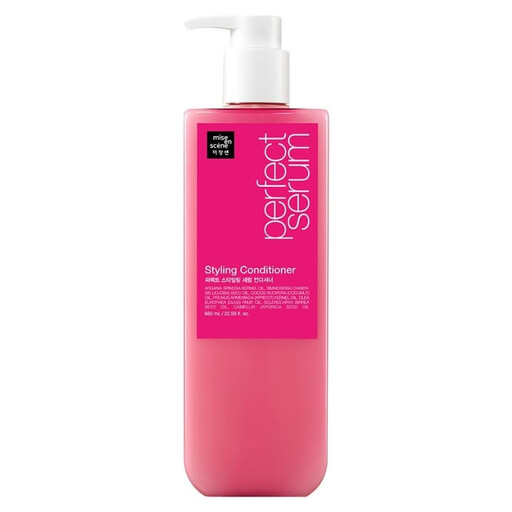
Why this product suits this profile: The 680-ml pack is designed for regular use. According to the product description, the creamy formula is suitable for all hair types, particularly damaged or frizzy hair.
The recommended leave-on time of two to three minutes is clearly stated. This makes it easy to incorporate the conditioning step into your daily routine without requiring a lengthy hair treatment.
The listed ingredients include dimethicone, argan oil, camellia oil, hydrolysed silk and panthenol. Fragrance is included.
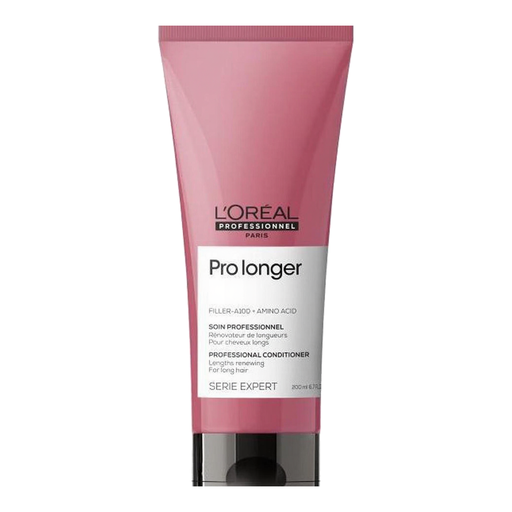
Why this product suits this profile: The product description positions this professional conditioner specifically for long hair and caring for the lengths. The 200-ml size remains manageable.
The target user is described more specifically than with a generic “for all hair types” claim: long hair and caring for the lengths are the focus.
The product description lists a lightweight, non-greasy formula, along with amino acids and Filler-A100 technology.
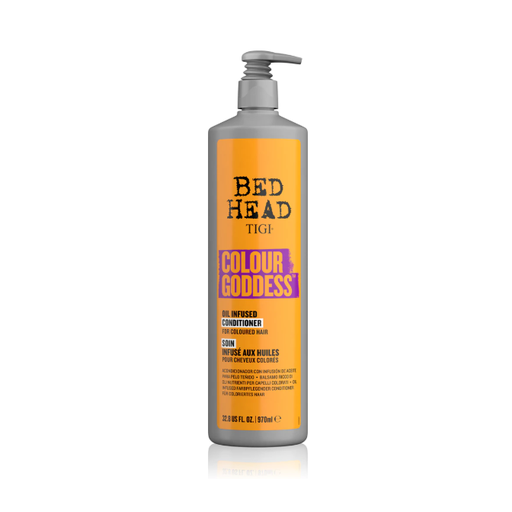
Why this product suits this profile: The large format is aimed at regular users with coloured hair. The description mentions sweet almond oil, coconut oil, shea butter and keratin.
Its suitability for coloured hair is clearly stated. It is also recommended that you apply the product only to the lengths and ends, so the roots are not unnecessarily weighed down.
970 ml of product and a recommended leave-on time of three to five minutes. The product information mentions golden pigments for brown, copper and red tones.
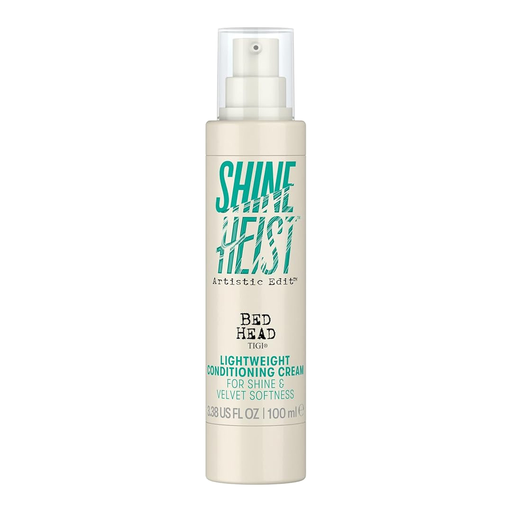
Why this product suits this profile: As a leave-in conditioner, the cream is applied to damp hair after washing and is not rinsed out. This makes it suitable for a quick styling routine.
The 100-ml pack limits the purchasing risk when trying a leave-in product. You can initially test a small amount on the ends.
No rinsing required. According to the product information, the formula contains glycerine, silicones and sea buckthorn extract, among other ingredients.
We have put together a complete, regularly updated list of products that fully meet these strict selection criteria and the safety regulations applicable in the EU.
Stop using the product if irritation, redness or itching occurs. Products are intended for external use only and must not come into contact with the eyes. The instructions on the individual packaging are decisive.
A regular hair conditioner can be used every time you wash your hair, provided it does not leave your hair feeling weighed down. If you have very fine hair, you can use a smaller amount or apply conditioner only every other wash. Intensive hair care or a hair mask can be added according to your individual needs.
A traditional conditioner is rinsed out after a short leave-on time. A leave-in conditioner remains in the hair and is usually distributed after washing. It can help with manageability and styling, but does not necessarily replace a rinse-out conditioner.
Refer to the best-before date or Period-after-Opening symbol, as well as the information on the packaging. Store your conditioner in a dry, cool place away from direct sunlight. If the smell, colour or consistency changes noticeably, stop using the product.