
Lieferung heute & morgen

Qualitätsgarantie

Willkommens-Angebote freischalten: KOSTENLOSE Lieferung | Bis zu 80 % RABATT | Kostenlose 30-Tage-JoyPlus-Testphase
App herunterladen
A good hair cream can revitalise dry hair, tame frizz, and define curls. But the market is crowded, and many products fail to deliver on their promises. As a Joybuy Product Recommendation Officer, I'll help you understand the key criteria to make an informed choice and avoid common buying mistakes.
Before you invest, it's wise to critically examine common marketing claims. Many users are disappointed when their product doesn't deliver the expected results, often due to these three issues:
To make the right choice, focus on three objective factors that must be tailored to your individual needs.
The most fundamental factor is the product's primary purpose. Clarify what your hair routine needs most:
A look at the ingredients list reveals more than any product description. Look for the following components that match your hair concerns:
The decision for or against silicones is a personal one. Both approaches have their merits:
Here are some product recommendations tailored to specific user profiles and their requirements.
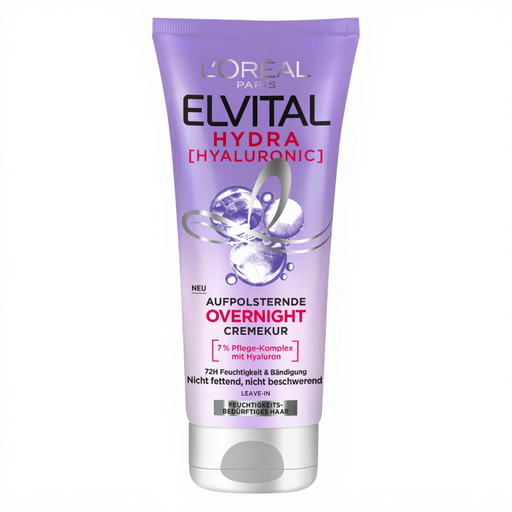
Why It's a Match: Ideal for those with dry, tired hair who are looking for a straightforward yet effective solution. The overnight application saves time in the morning routine and provides the hair with intensive moisture.
This product is clearly positioned as a moisture treatment and doesn't promise to be a strong styling product at the same time. It focuses on one job: hydration.
The formula with hyaluronic acid provides moisture without weighing the hair down. As a leave-in cream, it is particularly user-friendly.
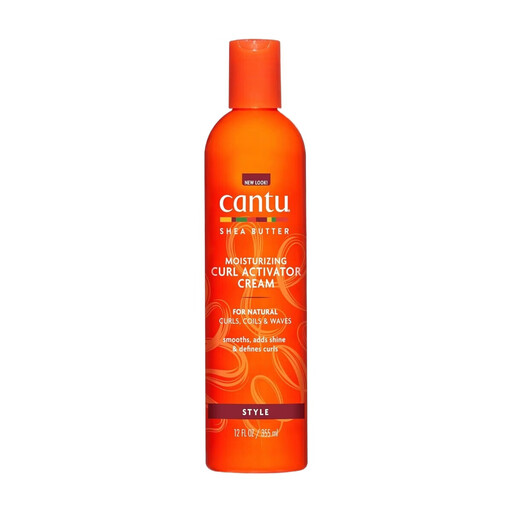
Why It's a Match: Specifically for people with naturally wavy or curly hair who want defined, clumped curls without frizz. The formula is designed to support and activate the hair's natural texture.
This is a specialised curl cream, not a vague all-purpose cream. It specifically addresses the needs of curly hair, thus avoiding the pitfall of non-specific formulas.
The formula with shea butter and coconut oil provides moisture while defining curls. It is also free of sulphates, silicones, and mineral oil.
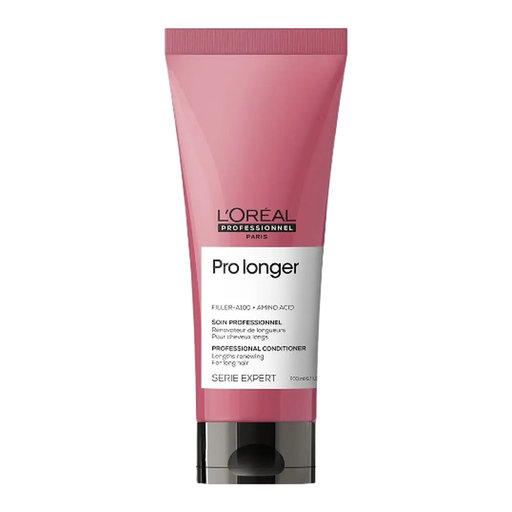
Why It's a Match: Perfect for users who regularly use heat styling tools and want to protect their hair from damage. It combines care, light hold, and reliable heat protection in one step.
Although it's a "10-in-1" product, its benefits are specific and measurable, especially the heat protection. It's not a vague "all-in-one" cream, but a professional formula with clearly defined functions.
According to the manufacturer, it offers proven heat protection up to 230°C. The formula with amino acids also serves to strengthen the hair fibre.
We have compiled a complete, up-to-date list of products that fully meet these strict selection criteria and comply with current safety regulations.
The frequency of use depends on your hair type and the product. For very dry or damaged hair, a small amount daily can be beneficial. For normal to slightly oily hair, 2-3 applications per week are often sufficient. Always start with a pea-sized amount and adjust as needed.
Generally, no. A traditional rinse-out conditioner is used after shampooing to detangle the hair and seal the cuticle before being rinsed out. A hair cream is left in the hair to provide long-lasting care, protection, or styling. The two products complement each other in a comprehensive hair care routine.
Hair creams are typically emulsions of water and oil. They can therefore both add moisture to the hair (from the water content) and seal it in (from the oil content). Hair oils consist almost exclusively of lipids and primarily serve to lock in existing moisture, add shine, and control frizz. Creams are often lighter and may contain additional styling components.