
Lieferung heute & morgen

Qualitätsgarantie

Willkommens-Angebote freischalten: KOSTENLOSE Lieferung | Bis zu 80 % RABATT | Kostenlose 30-Tage-JoyPlus-Testphase
App herunterladen
A new hair colour can refresh your look and boost your confidence. However, the path to your dream shade is often fraught with uncertainty. Anyone looking to colour their hair at home stands in front of a vast array of options and wonders: Which hair dye truly covers greys? Which is the least damaging to my hair? And how can I achieve a result that actually resembles the picture on the box?
As your Joybuy Product Recommendation Officer, I'm here to help you navigate the typical pitfalls. Instead of falling for marketing hype, you should focus on clear, verifiable criteria. This will help you find a hair colour that perfectly suits your needs.
The 3 most common pitfalls when buying hair dye:
To buy the right hair dye, don't let yourself be guided by colourful packaging. Instead, check three core aspects. These will help you choose a product that meets your expectations.
Longevity is the most fundamental distinguishing feature. There are typically three levels:
The composition determines the conditioning effect and how gentle the product is.
A realistic assessment is crucial for a successful colour outcome.
Based on these criteria, we have selected a few products for typical use cases.
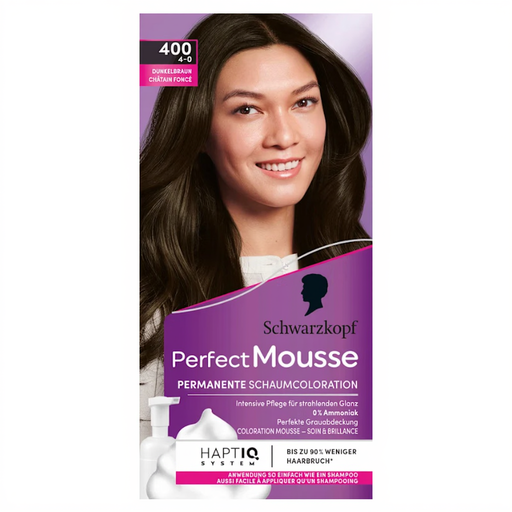
Why This Fits Their Persona: Ideal for first-time users or anyone who prefers a straightforward, clean, no-drip application. The foam spreads through the hair as easily as a shampoo.
The ammonia-free formula bypasses the pungent smell of traditional dyes. Its foam texture ensures even distribution, minimising the risk of patchiness that can occur from unevenly applying a cream.
The application is exceptionally simple and intuitive. The formula is ammonia-free and delivers a glossy colour result with good grey coverage.
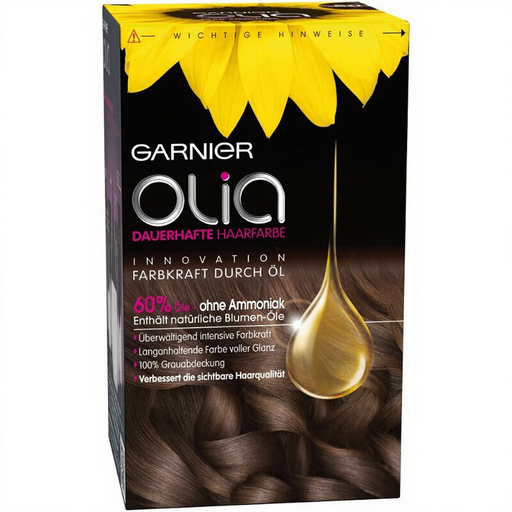
Why This Fits Their Persona: Perfect for anyone concerned about damaging their hair with dye. The focus here is clearly on conditioning and improving the visible quality of the hair.
This product addresses the concern of harsh chemicals. It's an ammonia-free hair dye that instead uses a technology with 60% oils in the colour cream to gently anchor the colour in the hair while simultaneously conditioning it.
The oil-based formula provides intense colour and, according to the manufacturer, visibly improves hair quality, leading to more shine and softness. The vegan formula is also free from silicones.
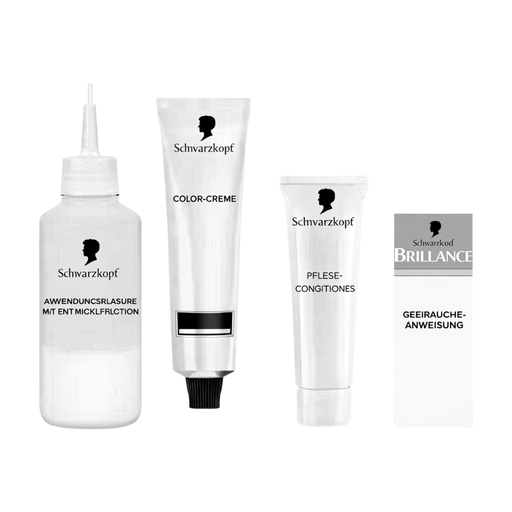
Why This Fits Their Persona: For individuals whose top priority is reliable and complete coverage of grey or white hair, combined with long-lasting colour intensity to reduce the frequency of root touch-ups.
This product directly addresses the pitfall of poor grey coverage. The formula is designed for intense colour pigmentation and longevity, promising up to 10 weeks of colour intensity and 100% grey coverage, according to the manufacturer.
The dye includes a conditioning treatment with the HaptIQ System, which is designed to create new micro-bonds within the hair to strengthen it from the inside. The formula seals in the colour pigments for long-lasting shine.
We have compiled a complete, up-to-date list of products that fully meet these strict selection criteria and all relevant safety regulations.
The longevity depends on the type of colour. A temporary colour (Level 1) will wash out after a few shampoos. A semi-permanent colour (Level 2) lasts up to 28 washes. A permanent hair colour (Level 3) does not wash out; it grows out with the roots and needs a touch-up after about 4 to 6 weeks.
Yes, but only to a limited extent. Permanent colours can lighten natural hair by a few shades. For a significant lift, especially from dark to light hair, a separate bleaching step is required before applying the desired target colour. Dyeing hair from black to blonde in a single step with one box is not possible.
Traditional dyes use ammonia to open the hair's cuticle, allowing the colour pigments to penetrate. This is very effective but has a strong smell. An ammonia-free hair dye uses alternative alkaline agents like ethanolamine (MEA). These are more pleasant in terms of scent. Oil-based systems, found in some ammonia-free products, can also have an additional conditioning effect. The effectiveness for grey coverage and lightening can vary depending on the specific formulation.