
Same-day & Next-day Delivery

Quality Guaranteed

Unlock Your Welcome Offers: FREE Delivery | Up to 80% OFF | Free 30-day JoyPlus trial
Download the APP
Dry, colour-treated or heat-stressed hair does not automatically need the richest product available. A hair mask for damaged hair should suit your hair’s porosity, thickness, type of damage and usual care routine. Otherwise, your lengths may feel weighed down, your roots may become greasy quickly, or your hair may feel smooth only temporarily without receiving the right care.
Terms such as “Bond Repair”, “Keratin Repair” or “Salon Care” sound precise, but they are not always directly comparable. The important factors are the specific application, the ingredients list and the processing time. A hair mask can smooth the hair surface, improve manageability and provide moisture or conditioning ingredients. However, it cannot permanently reconnect split ends that have already formed.
A protein hair mask can be useful for porous, chemically treated or brittle hair. However, using protein-rich care too often can leave hair feeling stiff or rough. If dryness, frizz and rough ends are your main concerns, you should also consider a moisturising hair mask or a lightweight hair oil.
Many intensive products are intended for the lengths and ends. Applying them to the roots can make hair look flat more quickly or cause it to become greasy sooner. When choosing a mask, check whether it is rinsed out, intended as a leave-in hair treatment or specifically designed for the scalp.
Terms such as “against hair breakage” or “repairing” should be understood as descriptions of the intended care benefits, not as guarantees. Hair breakage can also be encouraged by frequent brushing, tight hairstyles, heat or chemical treatments.
The INCI list shows which type of care a product is designed to provide:
Formulas can change. The ingredients list on the packaging you receive is therefore the definitive reference. Discontinue use if irritation occurs. Hair masks are for external use only and must not get into the eyes.
A large pack is not automatically better value. Compare the pack size, recommended frequency and amount of product needed per application. A mask used twice a week for five minutes suits a different routine from a Bond Repair treatment used just once a week.
With a Japanese hair mask or Korean hair care, different textures and application steps may also be usual. Check whether the product is rinsed out and whether the instructions are provided in German or clear English.
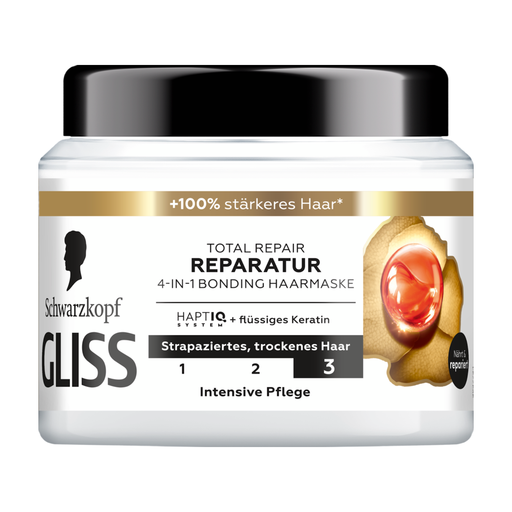
Why this product suits this profile: The 400 ml size and versatile use as a pre-shampoo, conditioner, mask or leave-in treatment offer flexible hair care for dry and stressed lengths.
The different ways to use the product are clearly stated. This allows you to adjust the level of conditioning to your hair thickness and dryness instead of always using a heavy mask.
HAPTIQ System, hydrolysed keratin, glycerin and shea butter; according to the product information, leave the mask on for 2 to 3 minutes.
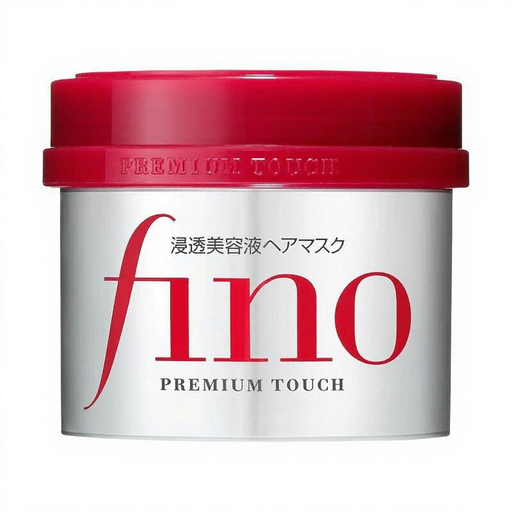
Why this product suits this profile: This creamy Japanese hair mask is designed for dry, damaged or chemically treated lengths and is suitable for a routine used once or twice a week.
The recommended processing time of around five minutes prevents unnecessarily long applications. The product description also lists proteins, squalane and trehalose rather than relying only on general conditioning claims.
230 g contents; Royal Jelly Extract, squalane, trehalose, glutamic acid and hydrolysed wheat protein are listed in the stated INCI list.
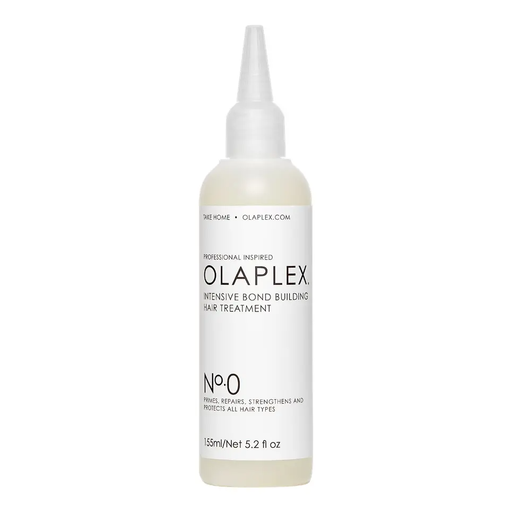
Why this product suits this profile: This treatment is designed as the first step in a two-part system for damaged hair, making it suitable for users who want to structure their hair-care routine carefully.
The instructions specify application to dry hair, a ten-minute processing time and subsequent use with No. 3. This reduces the risk of incorrect use caused by applying it for too little time or using it incorrectly.
155 ml contents; the product description names Bis-Aminopropyl Diglycol Dimaleate as a key ingredient and recommends using the product once a week.
We have put together a complete, regularly updated list of products that fully meet these strict selection criteria and the safety regulations applicable in the EU.
As a starting point, use one or two applications per week. Fine hair often needs less product or a shorter processing time. With severely stressed hair, a more intensive routine may be useful, provided your hair does not feel stiff, dull or weighed down.
It can smooth the hair surface, improve manageability and thereby reduce daily mechanical stress. However, split ends that have already formed cannot be permanently sealed back together. Regular trims and gentle handling of heat remain essential.
That depends on the condition of your hair. Dry, rough and frizzy hair often benefits from moisturising and smoothing care. If it feels porous, very soft and brittle, occasional protein care may be suitable. If you are unsure, alternate the focus of your routine rather than using several intensive products at the same time.