
Same-day & Next-day Delivery

Quality Guaranteed

Unlock Your Welcome Offers: FREE Delivery | Up to 80% OFF | Free 30-day JoyPlus trial
Download the APP
Coloured hair often needs more than a conventional conditioner. Colouring, bleaching, heat and UV exposure can leave the lengths feeling dry, more prone to tangling or lacking shine. The right hair mask for coloured hair can smooth the hair surface and improve manageability. However, it cannot replace professional colouring and will not prevent colour fading completely.
Terms such as “Colour Protect” or “Colour Shine” initially describe the product’s positioning. What matters are the specific usage instructions and the ingredients list. A hair mask can care for the hair fibre and make the surface appear smoother. However, colour loss can still be caused by frequent washing, heat, UV exposure and the hair’s individual porosity.
So check whether the product is explicitly intended for coloured or dyed hair and whether the brand states a clear application time.
A rich, moisturising hair mask can be useful for dry, thick or chemically treated hair. On fine hair, however, a very heavy formula may weigh down the lengths. Silicones, oils, proteins and fragrances are not equally suitable for every hair type either.
The term “repairing hair mask” should also be understood objectively: cosmetic care can smooth the hair surface and make the hair look better conditioned. Existing structural damage cannot be permanently reversed in this way.
A 250-ml or 350-ml container is not automatically better value. If the mask is applied too often, too generously or right to the roots, usage can increase unnecessarily. A smaller size may be more practical for occasional use or travelling.
First, identify your main goal:
With curly hair, it is also important to consider whether the formula will weigh down the curls. For fine hair, applying a small amount to the lengths is generally more suitable than choosing an especially rich product.
Check the current INCI list on the packaging, as formulations can change. Hair masks often contain conditioning alcohols, cationic conditioning agents, oils, proteins or silicones. These ingredients can affect manageability and how the hair feels.
Fragrances such as Limonene, Linalool or Citronellol may be relevant for people with sensitive skin. If you have known intolerances, check the complete ingredient declaration. Products are intended for external use and should not come into contact with the eyes.
A short application time fits easily into your everyday shower routine. Other products are designed more for weekly intensive care. Follow the relevant manufacturer’s instructions:
A colour-protecting hair mask alone cannot protect hair colour completely from fading. A gentle shampoo, less hot water and heat protection when styling can complement your hair-care routine.
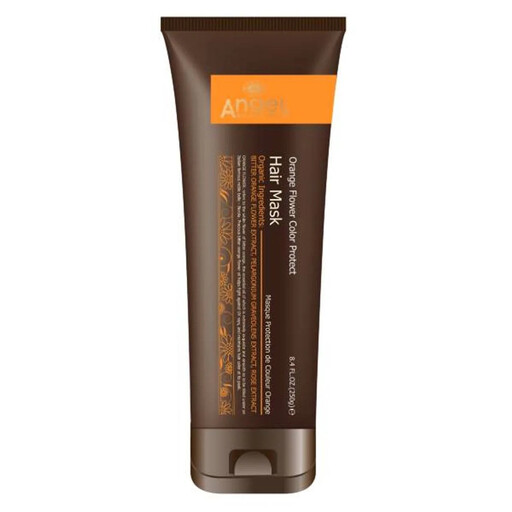
Why this product suits the profile: The 250-g pack and stated application time of 5 to 10 minutes are ideal for a straightforward care routine after washing.
The instructions specify a clear application time and explicitly mention colour protection and UV protection, rather than relying solely on a general promise of shine.
According to the product information, it contains Orange Flower Oil, geranium extract and special proteins.
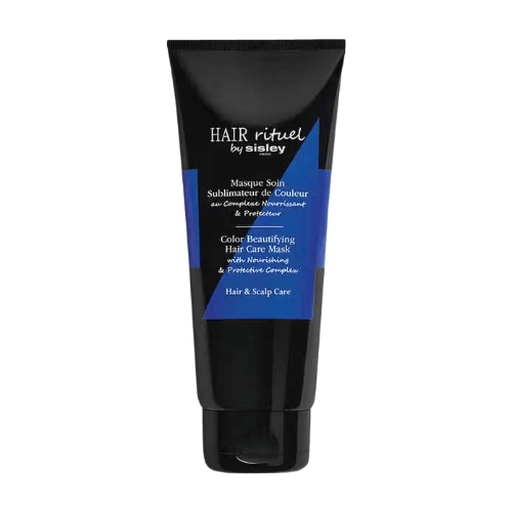
Why this product suits the profile: The stated three-minute application time is ideal for a short, easy-to-plan intensive treatment for coloured hair.
The treatment does not require a long application time. The product description specifies three minutes and application to washed, damp hair.
The formula contains shea butter, sunflower extract, panthenol and hydrolysed rice protein, among other ingredients.
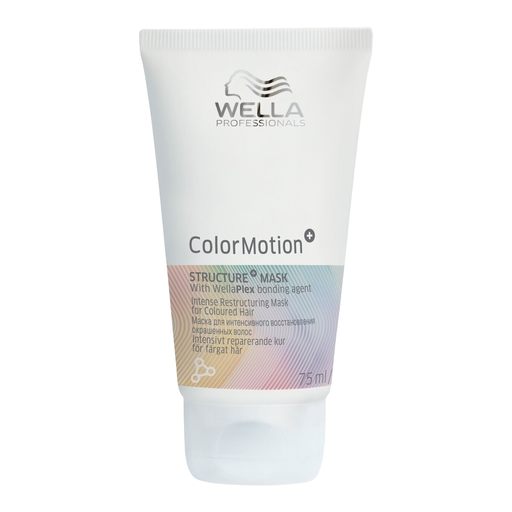
Why this product suits the profile: The 75-ml size is suitable for travelling, trying the product or anyone who only uses a mask occasionally.
The small size reduces the risk of a rich treatment that is not suitable for you sitting unused in the bathroom for a long time.
According to the product description, the mask is intended for chemically treated and damaged hair and is used once a week for five minutes.
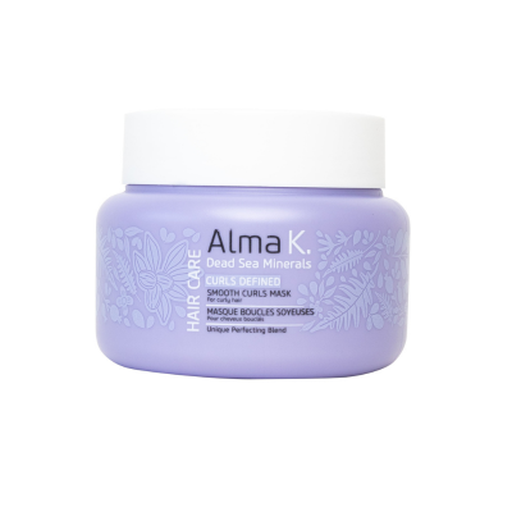
Why this product suits the profile: Curly, coloured lengths may need both moisture and frizz control. The product description is explicitly aimed at curly hair.
Rather than choosing a general colour-care product for all hair types, this selection considers the specific needs of curly lengths that are prone to frizz.
According to the product information, it contains macadamia oil, hazelnut oil, avocado butter, vitamin E and provitamin B5.
We have put together a complete, regularly updated list of products that fully meet these strict selection criteria and the safety regulations applicable in the EU.
Apply the mask to towel-dried hair after shampooing. Distribute the product evenly through the lengths and ends, using the recommended amount. For stressed hair, weekly use may be beneficial; very fine hair may need longer intervals between applications.
Rinse thoroughly to ensure no residue remains. When trying a new product, start with a small amount. If redness, burning or other irritation occurs, stop using the product. If it gets into your eyes, rinse with water.
This depends on your hair type, porosity and the manufacturer’s instructions. Many products are intended for weekly use or once or twice a week. Dry, thick or chemically treated hair may need care more often than fine hair. Daily use is usually not necessary with intensive formulas.
It can condition the hair surface and help the colour look fresh for longer. However, complete protection against fading is not guaranteed. Your washing routine, UV exposure, heat, water quality and the colour treatment used also affect how long the colour lasts. A colour-safe shampoo and lukewarm water can complement your hair-care routine.
A mask is generally designed to provide more intensive care and a longer application time. A conditioner is better suited to regular use after washing. If your hair is fine or becomes weighed down easily, a lightweight conditioner for everyday use and a mask at longer intervals may be more suitable. Your choice should be based on your hair structure and care needs.