
Lieferung heute & morgen

Qualitätsgarantie

Willkommens-Angebote freischalten: KOSTENLOSE Lieferung | Bis zu 80 % RABATT | Kostenlose 30-Tage-JoyPlus-Testphase
App herunterladen
Stressed, dry hair prone to frizz and split ends is a widespread problem. Frequent colouring, heat styling, or environmental factors can damage the hair's structure and strip it of its shine. An intensive hair care routine in the form of a hair mask promises a solution. However, the market is overwhelming, and many products don't deliver on their promises. Before you make a purchasing decision, it's important to know the most common pitfalls.
Common Pitfalls When Buying Hair Masks:
To make an informed choice that goes beyond superficial effects, you should understand a few core parameters.
Effective care for damaged hair is based on a thoughtful formulation. Pay attention to the following three aspects to find the right repairing hair mask for your needs.
Damaged hair has a porous structure with gaps in the outer cuticle layer. To repair these, it needs two types of active ingredients:
A good hair mask offers a balanced mix of both components to both strengthen and moisturise the hair.
Oils and fats (lipids) play a central role in deep treatment for split ends. They seal the hair structure that has been replenished with proteins and moisture.
Lightweight oils are better suited for fine hair, while richer butters and oils are ideal for thick or very dry hair.
The order of ingredients on the packaging reveals their concentration. The first five to seven ingredients make up the bulk of the formulation. If an advertised ingredient appears at the end of the list, its concentration is likely too low to have a significant effect. Look for products where nourishing oils, proteins, and moisturisers are listed near the top or middle of the INCI list.
Based on these criteria, we have identified several products suitable for different needs.
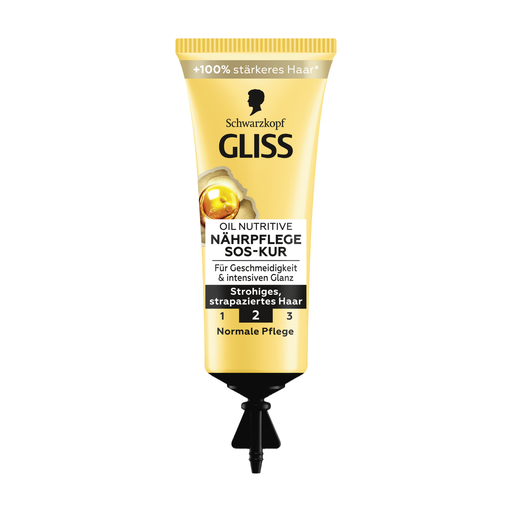
Why This Fits Their Persona: Ideal for individuals with an active lifestyle who need a quick yet effective treatment solution. The small, resealable packaging is convenient for on-the-go use or for occasional application.
This treatment doesn't promise permanent repair but rather a quick SOS fix. The formula with Omega 9 and Marula Oil delivers targeted lipids to quickly make straw-like hair feel smoother, without setting false expectations.
Very short processing time of just one minute; practical, travel-friendly packaging size.
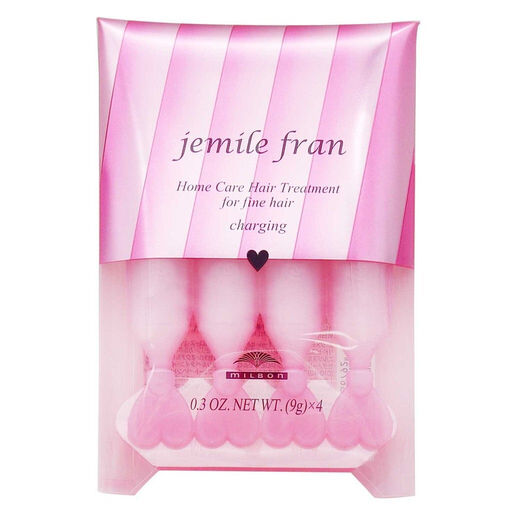
Why This Fits Their Persona: Perfect for those with fine hair who want a nourishing treatment without sacrificing volume and bounce. The single-use pods ensure correct dosage and freshness with every application.
This product avoids the "one-size-fits-all" trap by offering a targeted, lightweight formulation for fine hair. It nourishes with keratin and panthenol without weighing the hair down.
Lightweight, non-greasy texture; improves elasticity and specifically strengthens fine hair.
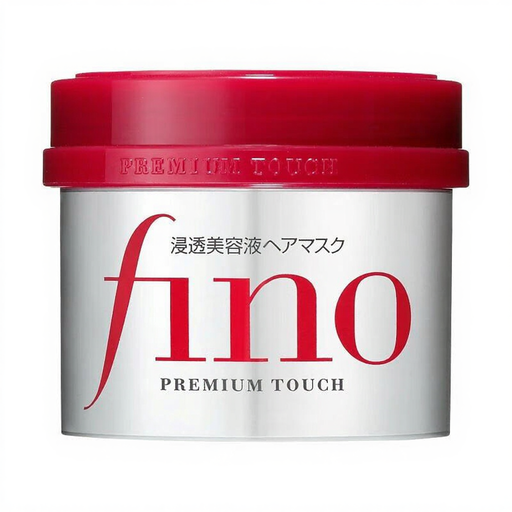
Why This Fits Their Persona: Suitable for users with severely damaged, dry, or chemically treated hair who are looking for a high-potency treatment with visible results and are willing to commit to a 5-10 minute leave-in time.
This product avoids the trap of low-concentration ingredients. The INCI list shows a high concentration of conditioning agents like Sorbitol, Dimethicone, and Hydrogenated Rapeseed Oil near the top, supplemented by Royal Jelly Extract and Squalane.
Highly concentrated formula based on skincare-inspired technology; provides noticeable smoothness and shine.
We have compiled a complete, up-to-date list of products that fully meet these strict selection criteria and applicable safety regulations.
1. How often should you use a hair mask for damaged hair? The frequency of use depends on the condition of your hair. For severely damaged hair, applying it once or twice a week can be beneficial. Once the hair's condition improves, the frequency can be reduced to once a week or every two weeks to avoid over-conditioning.
2. Can a hair mask really repair split ends? No, a hair mask cannot permanently "glue" split ends back together. Once split, the only permanent solution is to trim the ends. However, a good deep treatment for split ends can smooth the hair surface, temporarily seal the ends, and thus improve their appearance. More importantly, by strengthening and moisturising the hair, it helps prevent new split ends from forming.
3. Should I apply a hair mask to wet or dry hair? Most hair masks are designed to be applied to towel-dried hair after shampooing. Washing opens the hair's cuticle, allowing the conditioning ingredients to penetrate better. Excess water should be gently squeezed out, as hair that is too wet will dilute the mask and reduce its effectiveness. Some special pre-shampoo treatments are applied to dry hair, but this will be explicitly stated on the product.