
Lieferung heute & morgen

Qualitätsgarantie

Willkommens-Angebote freischalten: KOSTENLOSE Lieferung | Bis zu 80 % RABATT | Kostenlose 30-Tage-JoyPlus-Testphase
App herunterladen
A good hair mask can be the difference between brittle, dull hair and a supple, resilient mane. But the market is saturated with products promising quick miracles. Many users invest in expensive treatments only to find their hair's condition barely improves or even worsens. This is often due to common marketing traps and a misunderstanding of what intensive hair care can actually achieve.
Before you make a decision, it's crucial to understand the most common pitfalls that lead to choosing the wrong product:
To make an informed decision, you should focus on the objective parameters of a hair mask rather than marketing messages. Two factors are crucial: the combination of active ingredients and how well it matches your specific hair condition.
A deep conditioning treatment is based on a balanced blend of different ingredient groups. Look for these ingredients to understand a product's function:
The most effective mask is one that is precisely tailored to your hair profile. Define your needs:
Based on these objective criteria, we have identified several products that are well-suited for different needs and user profiles.
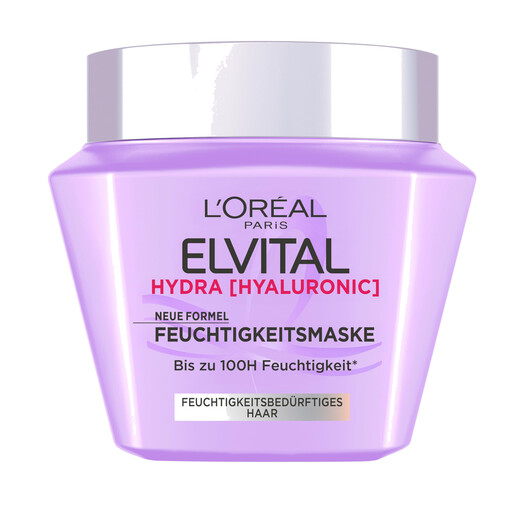
Why This Fits Their Persona: This mask provides targeted hydration for dehydrated hair at a very accessible price point. It is ideal for individuals seeking an effective solution for dryness without spending a premium.
The product makes no vague repair promises, instead focusing on a clearly declared and well-known humectant: hyaluronic acid. The effect is direct and easy to understand.
The formula provides intense moisture without weighing down the hair, making it suitable even for finer hair types prone to dryness.
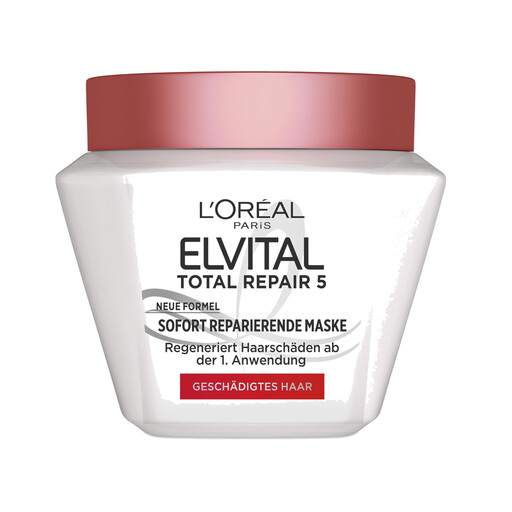
Why This Fits Their Persona: This mask is specifically designed for the needs of coloured or highlighted hair. It aims to preserve colour vibrancy and intensively nourish hair stressed by colouring.
Instead of promising a universal solution, this product specifically addresses the problem of colour fading. It bypasses the "one-size-fits-all" trap with a specialised formulation.
Contains Ethylhexyl Methoxycinnamate, a UV filter that can help protect hair colour from fading due to sun exposure. Coconut oil provides additional nourishment and adds shine.
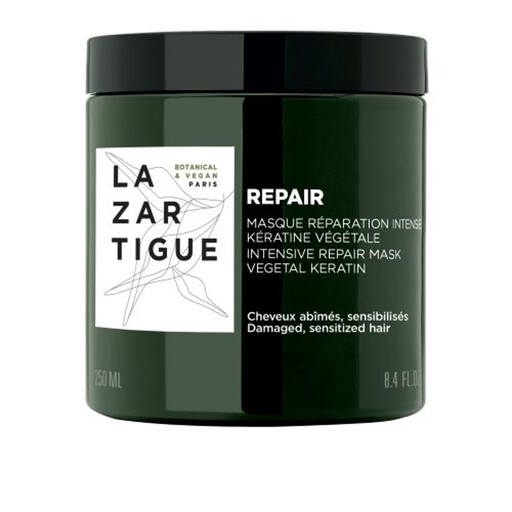
Why This Fits Their Persona: This mask is aimed at users with severely damaged, brittle, or chemically treated hair who are looking for a highly concentrated, restorative treatment. The formulation is designed for maximum strengthening of the hair fibre.
The product avoids the "healing" myth and instead focuses on strengthening and smoothing the hair structure with botanical keratin and nourishing lipids. The communication is focused on its actual effects.
The vegan formula is free of sulphates and silicones and relies on a high concentration of botanical keratin to specifically fortify the hair structure and reduce breakage.
We have compiled a complete, up-to-date list of products that fully meet these strict selection criteria and comply with current regulations.
The frequency of application depends heavily on your hair's condition. For normal to slightly dry hair, once a week is usually sufficient. For severely damaged, porous, or very dry hair, applying it twice a week may be beneficial initially. Pay attention to your hair: if it feels heavy or over-conditioned, reduce the frequency.
A conditioner primarily works on the surface of the hair. Its main job is to close the hair cuticle, which is roughened after washing, to detangle the hair and improve manageability. The leave-in time is usually only 1-2 minutes. A hair mask or hair treatment has a richer formulation with a higher concentration of nourishing ingredients. It penetrates deeper into the hair structure to provide moisture and nutrients or to strengthen it. The leave-in time is significantly longer, at 5-20 minutes, to give the active ingredients time to be absorbed.
No, a hair mask for split ends cannot fuse split ends back together. That is physically impossible. What it can do, however, is temporarily "seal" and smooth the split ends, making them less visible and leaving the hair feeling healthier. More importantly, it has a preventive effect: by regularly supplying moisture and lipids, the hair becomes more elastic and resilient, which helps prevent new split ends from forming.