
Lieferung heute & morgen

Qualitätsgarantie

Willkommens-Angebote freischalten: KOSTENLOSE Lieferung | Bis zu 80 % RABATT | Kostenlose 30-Tage-JoyPlus-Testphase
App herunterladen
A hair mask can be a useful addition to your hair-care routine if your hair is dry, brittle, coloured or stressed by heat and chemical treatments. However, not every formula suits every hair type. Terms such as “Repair”, “Bond” or “salon care” alone reveal little about whether a product will really meet your everyday needs.
The Joybuy Product Recommendation Officer selection is therefore based on clear, practical criteria: ingredients, processing time, application method, hair profile and pack size.
A repairing hair mask can smooth the hair surface, improve manageability and make the hair look healthier. However, it cannot permanently restore split ends or completely damaged hair fibres. Look for realistic product claims and distinguish between:
Many hair masks work within just a few minutes. Depending on the product, a longer processing time may be recommended, but it is not automatically a sign of quality. The manufacturer’s instructions are what matter. A hair mask designed to work for five minutes does not need to be left on overnight.
Oils, silicones, butters and proteins can be beneficial for dry or thick hair. However, a very rich formula may leave fine hair looking flat or greasy. The amount you use also matters: in most cases, a small amount applied to the lengths and ends is enough.
For a hair mask for dry hair, moisturising ingredients such as glycerine, panthenol or hyaluronic acid may be particularly useful. They can help the hair surface feel smoother and more supple. For heavily stressed hair, hydrolysed proteins, keratin or amino acids may also be suitable.
A hair mask for damaged hair should promise more than a pleasant fragrance or high shine. Check whether the product description lists specific conditioning ingredients. Keratin, silk protein, rice protein and plant proteins, for example, are included in several formulas in this selection.
The INCI list provides information about the conditioning components contained in the product. Fragrances such as limonene, linalool or parfum may be relevant for people with sensitive skin. If you have known intolerances, check the packaging before buying and again before use, as formulations can change.
A moisturising hair mask is not necessarily silicone-free. Silicones can improve manageability and make the surface appear smoother. If you want to avoid certain ingredients, compare the full ingredients list with your personal requirements.
Take the processing time and intended use into account:
The mask should only be used externally. Avoid contact with the eyes. Stop using the product if irritation occurs.
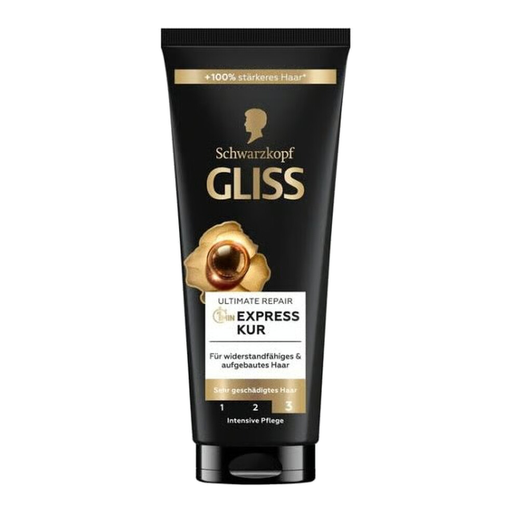
Why this product suits this profile: With a stated processing time of one minute, it is designed for a short hair-care routine. The product description lists 200 ml, liquid keratin and pearl extract.
The short processing time reduces the risk of using a hair mask irregularly because the care routine is too time-consuming.
One-minute processing time, 200-ml pack and keratin listed as an ingredient.
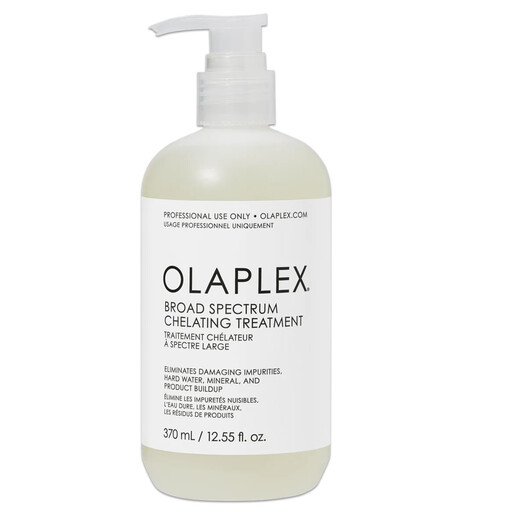
Why this product suits this profile: According to the product description, the formula is intended for damaged hair and all hair types. It lists vitamin C, glycerine and OLAPLEX Bond Building Technology.
The recommended amount of one to three pumps and the stated processing time of 15 to 30 minutes provide clear usage guidelines.
370 ml of product and a clearly described 15- to 30-minute treatment; according to the product information, it is intended for professional use.
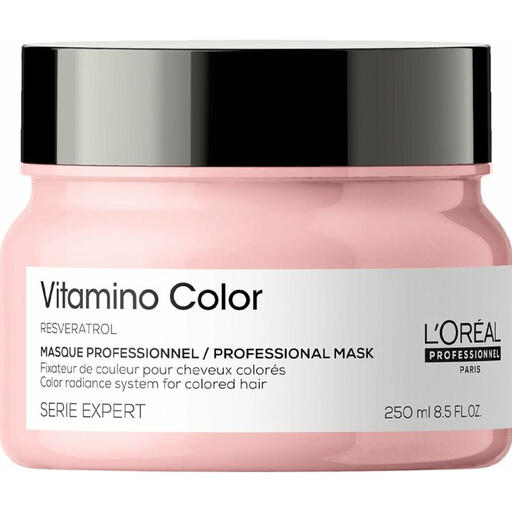
Why this product suits this profile: The product description is specifically aimed at coloured hair and lists antioxidants and vitamin E. The recommended processing time is three to five minutes.
The target hair type and intended use are clearly stated. This makes it easier to choose the mask for a specific need than a general-purpose care formula.
250 ml of product, use after shampooing and a stated focus on coloured hair.
We have put together a complete, regularly updated list of products that fully meet these strict selection criteria and the safety regulations applicable in the EU.
If you use a hair mask for hair breakage, you should also reduce mechanical stress: do not rub wet hair vigorously, detangle it gently and limit heat styling wherever possible. A mask is not a substitute for professional advice if you experience persistent or unusual hair loss.
This depends on your hair structure, its condition and the product itself. For many intensive formulas, once or twice a week is sufficient. A very rich keratin hair mask should not automatically be used every time you wash your hair. Follow the instructions on the packaging and observe whether your hair feels soft and light or heavy and coated.
Depending on the product, recommended times range from one minute to around 30 minutes. An express mask is designed for short applications, while a bond-repair or chelating product may require a longer processing time. The manufacturer’s specific instructions should always be followed.
The terms are sometimes used interchangeably by retailers. A hair mask often refers to a richer treatment with a longer processing time, while an intensive treatment may also be offered as a short-term or regular conditioning treatment. What matters is the product’s ingredients, application and intended purpose – not simply the name on the packaging.