
Lieferung heute & morgen

Qualitätsgarantie

Willkommens-Angebote freischalten: KOSTENLOSE Lieferung | Bis zu 80 % RABATT | Kostenlose 30-Tage-JoyPlus-Testphase
App herunterladen
As a Joybuy Product Recommendation Officer, I see countless new oil products hit the market every day. From hair oil and face oil to beard oil—the selection is vast, and the marketing claims are often grandiose. But not every oil delivers on its promise. Many products lead to disappointment because their composition doesn't match the intended use, or because they are designed for short-term effects rather than long-term, sustainable care.
This guide will help you identify the typical pitfalls and make an informed decision based on objective criteria.
Before we dive into the selection criteria, it's important to understand the most common marketing traps that often lead to a bad purchase.
To find the right product, let the formulation—not the packaging—be your guide. Here are three core parameters you should check.
The order of ingredients is legally regulated and listed by concentration. The first five ingredients make up the bulk of the product.
Different tasks require different formulations.
The production method impacts the quality of the oil.
Here are some product recommendations tailored to different needs and use cases.
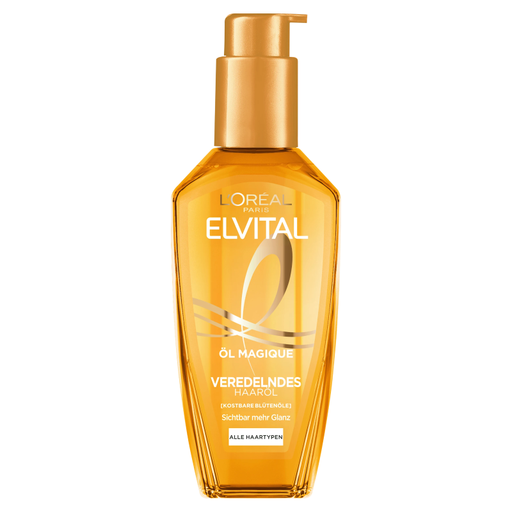
Why This Fits Their Persona: Ideal for users seeking a straightforward, effective solution for daily use. It tames frizz, delivers instant shine, and protects hair during blow-drying or straightening. A practical choice for a quick morning styling routine.
This oil strategically uses silicones for heat protection and a smooth finish. It is transparent about its function as a finishing and protective product, rather than promising deep nourishment that it isn't primarily designed to deliver.
According to the manufacturer, it provides heat protection up to 230°C. The formula is versatile: use it before shampooing, on damp hair, or as a finishing touch on dry hair.
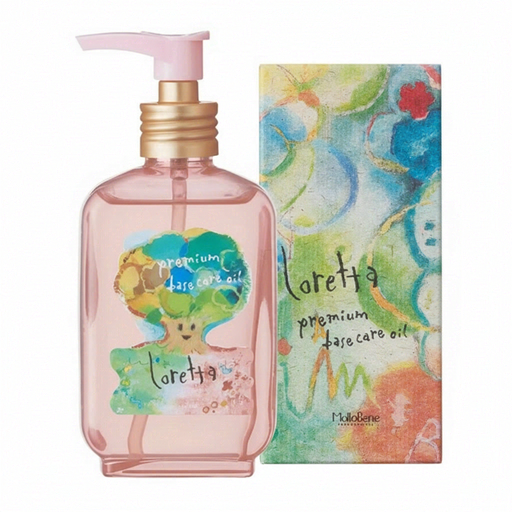
Why This Fits Their Persona: Perfect for connoisseurs of Japanese hair care who seek a lightweight yet effective treatment. This Japanese hair oil improves hair structure without weighing it down, making it well-suited for finer hair types.
It avoids the trap of heavy, purely silicone-based oils. The formula relies on a blend of lightweight silicones and high-quality botanical oils like argan, jojoba, and olive oil, which create a silky texture without leaving a greasy film.
The non-greasy texture absorbs quickly and noticeably improves manageability. It helps reduce frizz and imparts a natural-looking shine to the hair.
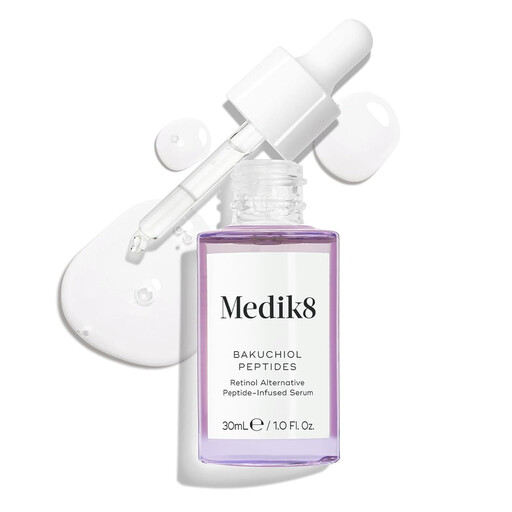
Why This Fits Their Persona: A specialised solution for users seeking an active ingredient-driven anti-ageing serum. It is a retinol alternative and, according to the manufacturer, is also suitable for use during pregnancy.
This product debunks the "one-oil-for-all" myth. It is a highly specialised face oil with a formula precisely tailored to the needs of facial skin to address signs of ageing, uneven skin tone, and redness.
Combines the plant-based retinol alternative Bakuchiol with brightening peptides and soothing Centella Asiatica extracts. The oil-based formula nourishes the skin and promotes a smoother, more radiant appearance.
We have compiled a complete, real-time list of products that fully satisfy these strict selection criteria and UK safety regulations.
1. How often should you use hair oil? The frequency depends on your hair type and the product's formula. For fine hair, 2-3 applications per week, concentrated on the ends, are often sufficient. For thick or very dry hair, daily use can be beneficial. Start with a small amount and adjust as needed.
2. Can hair oil make hair greasy? Yes, if too much product is used or if the formula is too heavy for your hair type. Always apply the oil to the lengths and ends first, avoiding the roots. A pea-sized amount is a good starting point for most hair lengths. Lighter formulations, like those often found in a hair serum, are better suited for hair prone to greasiness.
3. What is the difference between hair oil and a hair serum? The terms are often used interchangeably, but there are traditional differences. A hair oil is primarily based on natural oils and serves to nourish and seal in moisture. A hair serum is often silicone-based and aims for smoothing, shine, and frizz control. Modern products are often hybrids that combine the properties of both categories.