
Lieferung heute & morgen

Qualitätsgarantie

Willkommens-Angebote freischalten: KOSTENLOSE Lieferung | Bis zu 80 % RABATT | Kostenlose 30-Tage-JoyPlus-Testphase
App herunterladen
Dry, brittle hair, unwanted frizz, and visible damage from heat styling are common hair problems. A nourishing hair oil promises a solution, but the market is overwhelming. Many products don't deliver on their advertising claims. Before you make a purchase, it's important to know the most common pitfalls to avoid a bad investment.
As a Joybuy Product Recommendation Officer, my job is to filter market information and provide you with objective, practical advice to help you make the right choice for your needs.
The 3 most common pitfalls when buying hair oil:
To find the right hair oil, you should focus on objective features rather than marketing promises. The following three points are decisive.
Hair oils can be broadly divided into two categories based on their molecular structure and mode of action:
A good formulation often combines both types of oil to achieve both a nourishing leave-in treatment and a protective, smoothing effect.
The texture of the oil is crucial for the result.
Modern hair oils often offer more than just nourishment. Two important additional functions are:
Based on the criteria above, we have compiled a selection of products suitable for different user profiles.
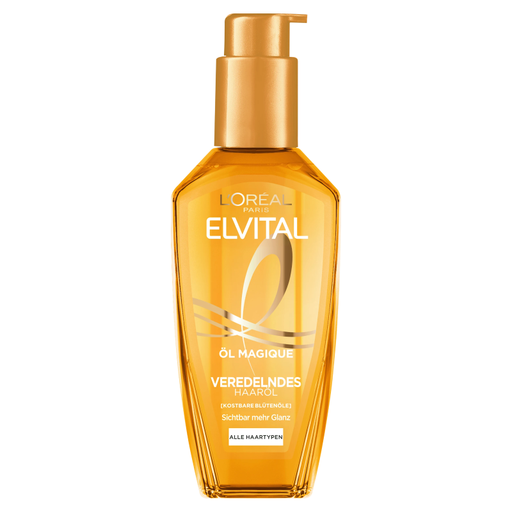
Why This Fits Their Persona: Ideal for users seeking a versatile and affordable product for their daily routine. It combines nourishment, shine, and heat protection in a single, straightforward application.
It bypasses the "one-size-fits-all" trap with its multifunctional formula, which can be used as a pre-wash treatment, before blow-drying, or as a finishing touch on dry hair, thus adapting to various needs.
According to the manufacturer, it provides heat protection up to 230°C, making it a practical choice for regular heat styling. The formula with six flower oils aims for intensive nourishment.
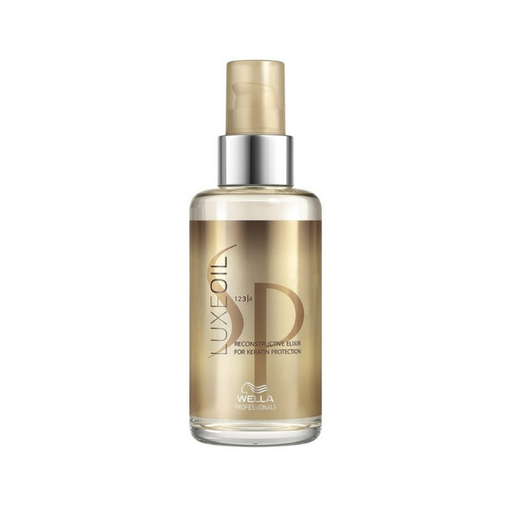
Why This Fits Their Persona: Suitable for users seeking salon-exclusive quality and willing to invest in a product aimed at reconstructing and protecting the hair structure, especially for chemically treated or severely damaged hair.
This product avoids the misleading ingredients trap by transparently using a high-quality blend of argan, jojoba, and almond oils to achieve a noticeable effect, rather than relying on a single, low-dose active ingredient.
According to Wella, the formula offers triple Keratin protection, providing immediate and long-lasting smoothness. It aims to smooth and strengthen the hair structure.
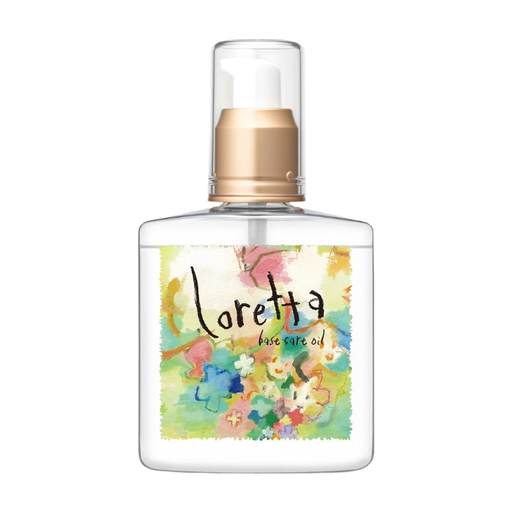
Why This Fits Their Persona: Perfect for individuals with fine hair who want nourishment and shine but fear that traditional oils will weigh their hair down. The Japanese formulation is specifically designed for a light, silky finish without any heaviness.
This oil debunks the myth that all oils are heavy and greasy. The official description emphasizes its light texture and low-stickiness, making it a targeted solution for a specific hair type.
The formulation with Damask rose oil not only gives the hair a silky feel but also a subtle fragrance. It is suitable for use on towel-dried and dry hair to control frizz.
We have compiled a complete, real-time updated list of products that fully meet these strict selection criteria and German regulations.
The frequency depends on your hair type and condition. For very dry or damaged hair, a daily application of a small amount to the ends can be beneficial. For normal to fine hair, applying it two to three times a week or only after washing is often sufficient.
In general, hair oil intended for the lengths and ends should not be applied directly to the scalp, as this can clog pores and lead to a greasy scalp. However, there are special scalp oils formulated for massaging and nourishing the scalp. Pay attention to the application instructions for the specific product.
Although the terms are often used interchangeably, there are differences. Hair oils, as the name suggests, are primarily based on natural or synthetic oils and are used for nourishment, hydration, and protection. Hair serums are often formulated on a water or silicone basis and target specific problems like frizz control, smoothing, or shine. A serum typically has a lighter consistency.