
Lieferung heute & morgen

Qualitätsgarantie

Willkommens-Angebote freischalten: KOSTENLOSE Lieferung | Bis zu 80 % RABATT | Kostenlose 30-Tage-JoyPlus-Testphase
App herunterladen
Dry, brittle, or frizz-prone hair can make your daily care routine a challenge. A good hair oil promises relief, but the market is overwhelming. Many products deliver only a short-term, superficial effect instead of providing long-lasting nourishment. Before you make a decision, it helps to know the most common pitfalls that lead to disappointment and wasted money.
To find a product that suits your hair type and needs, you should examine three core aspects of its formulation. These will help you objectively assess a hair oil's performance.
The foundation of any hair oil is a blend of different oils and carriers. There are significant differences here:
The term silicone-free hair oil is popular, but a more nuanced perspective is useful. Silicones are not inherently harmful; their function varies greatly.
Modern formulations go beyond pure oils, integrating active ingredients that specifically target issues like breakage or frizz.
Instead of making a one-size-fits-all recommendation, we've matched products to specific user profiles.
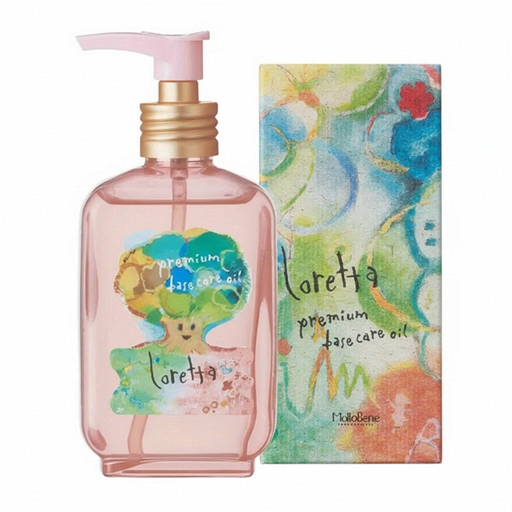
Why This Fits Their Persona: Perfect for those with fine to normal hair who want the nourishing benefits of an oil but dread a heavy, greasy texture. These users desire smoothness and shine without sacrificing volume.
The formula is based on volatile silicones (Cyclopentasiloxane), which ensure very light distribution and then evaporate. This allows the included plant oils (argan, jojoba) to be delivered in a fine dose without weighing the hair down.
The silky, non-greasy texture absorbs quickly and noticeably improves combability. The combination of various plant oils provides balanced care for shine and smoothness.
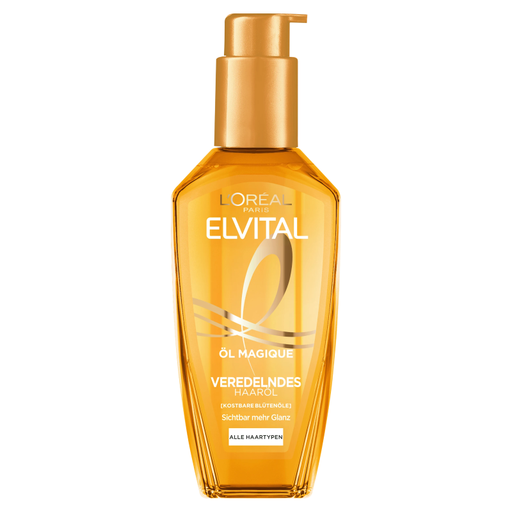
Why This Fits Their Persona: Suitable for individuals looking for a versatile, reliable, and affordable product for their daily routine. The explicit heat protection is a key advantage for anyone who regularly uses a hairdryer or straightener.
It avoids the 'one-size-fits-all' myth by focusing on clearly defined, verifiable functions: nourishment from a blend of six flower oils and reliable heat protection up to 230°C.
Its versatile application (before washing, before blow-drying, as a finishing touch) and explicit heat protection make it a practical everyday companion for various hair types.
We've compiled a complete, up-to-date list of products that fully meet these strict selection criteria and all relevant safety standards.
The right hair oil application is crucial. Start with a very small amount—one to two drops are often sufficient for medium-length hair. Rub the oil between your palms to warm it slightly. Then, work it evenly into the lengths and ends of towel-dried or dry hair. Avoid the roots to prevent your hair from getting greasy too quickly. You can always add a little more if needed.
Some hair oils are specially formulated with ingredients that protect hair as a heat protectant oil for hair. Products that specify protection up to 230°C create a barrier that can mitigate some of the heat damage from styling tools. However, it's important to check the product description, as not every hair oil offers this function. Apply the oil to towel-dried hair before heat styling.
The lines are often blurry, but there are fundamental differences. A hair oil, as the name suggests, is primarily based on natural or synthetic oils and mainly serves to nourish, smooth, and protect the hair's surface. A hair serum often has a lighter, water- or silicone-based texture and can contain more concentrated active ingredients (like peptides, hyaluronic acid, or vitamins) that target specific problems such as frizz, breakage, or lack of moisture. Many modern products are hybrids that combine the properties of both categories.