
Lieferung heute & morgen

Qualitätsgarantie

Willkommens-Angebote freischalten: KOSTENLOSE Lieferung | Bis zu 80 % RABATT | Kostenlose 30-Tage-JoyPlus-Testphase
App herunterladen
Finding the right hair removal method can be a challenge given the multitude of available options. From a quick shave to long-lasting light-based technology, each method has specific characteristics that make it more or less suitable for different needs and skin types. This article provides an objective overview of three common procedures—epilation, wet shaving, and IPL treatment. The goal is to provide you with a basis for an informed decision by objectively presenting how they work, their pros and cons, and showcasing suitable products.
To find the right solution for you, a systematic hair removal method comparison based on objective criteria is useful. Consider the following three aspects.
The methods differ fundamentally in how long it takes for hair to grow back.
Not every method is suitable for everyone. Compatibility is particularly crucial with IPL technology. IPL works most effectively with a significant contrast between skin and hair colour—that is, on light skin with dark hair. The method is less effective on very dark skin or with very light (blonde, grey, red) hair, as the melanin in the hair cannot absorb the light sufficiently. Wet shaving and epilation are generally applicable to all skin and hair colours, although there is a risk of irritation for sensitive skin.
The cost structure varies greatly. A wet razor has a low initial cost but incurs ongoing expenses for regular replacement blades. An epilator represents a moderate one-time investment and requires no consumables. An IPL device requires the highest initial investment but can be cost-effective in the long run, as it eliminates the need for blades, wax, or professional salon treatments.
Based on the criteria mentioned, we present three products, each representing one of the core methods.

Why it stands out: The Philips BRE227/00 is a corded epilator designed for efficiency and ease of use. Its epilation system thoroughly grips hairs at the root. The compact, ergonomic design and included massage cap are intended to make it easier to use, especially for beginners.
Pros:
Who it's for: This device is aimed at users looking for a cost-effective method with longer-lasting results compared to shaving, and who are willing to go through the initial adjustment period of epilation.
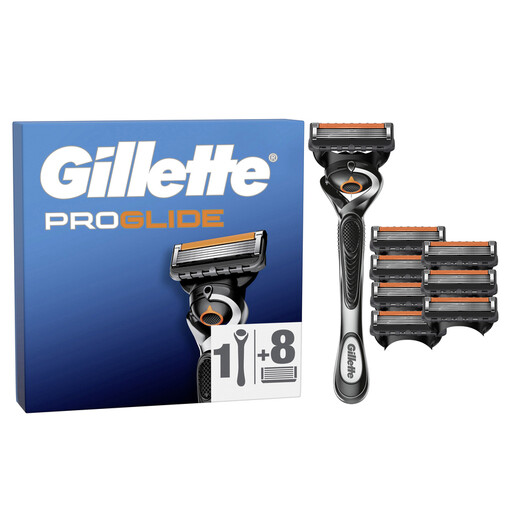
Why it stands out: The Gillette Fusion5 Proglide is an advanced system razor designed for an exceptionally close and comfortable wet shave. The FlexBall Technology allows the blade head to adapt to facial contours, while the five blades ensure a precise cut. An additional precision trimmer on the back is suitable for hard-to-reach areas.
Pros:
Who it's for: Ideal for individuals who prefer a fast, straightforward, and proven method for daily at-home hair removal and value an extremely smooth finish.
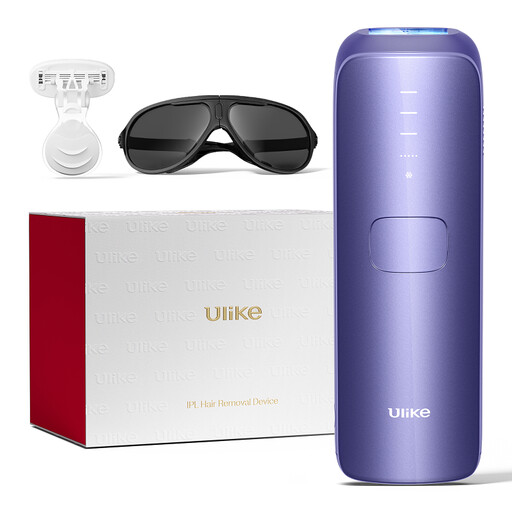
Why it stands out: The Ulike Air 3 is an IPL device for home use that aims for a comfortable and effective application. Its key feature is the Sapphire Ice-Cooling System, a patented cooling technology that chills the skin's surface during light pulses. This is designed to make the treatment virtually painless. The AutoGlide mode allows for rapid treatment of large areas with continuous light pulses.
Pros:
Who it's for: This device is suitable for users with a compatible skin and hair type who are willing to invest in a technologically advanced solution for long-term hair reduction and who prioritise a comfortable user experience.
Once you've found the right device for your needs, proper storage is crucial to ensure longevity and tidiness. Discover our selection of practical device holders to keep your bathroom organised and your grooming products always within reach.
1. What is the difference between IPL and laser hair removal? Both methods use light to deactivate the hair root. The main difference lies in the type of light. Lasers use a single, highly concentrated wavelength that targets the hair root very precisely. IPL (Intense Pulsed Light) uses a broad spectrum of light with various wavelengths. This allows IPL to treat larger skin areas more quickly, while laser is often considered slightly more precise and is typically performed in professional salons.
2. Is hair removal with an epilator painful? Pain perception is subjective. Since an epilator plucks hairs from the root, many people describe the first session as uncomfortable or painful. However, with regular use, the skin gets accustomed to it, and the regrowing hairs often become finer, making subsequent treatments less painful. Modern devices with massage or cooling elements can further enhance comfort.
3. How often should you shave to maintain smooth skin? The frequency depends on individual hair growth. To ensure consistently smooth skin, most people need to shave every one to three days. Faster or denser hair growth may require daily shaving, while longer intervals may suffice for slower growth.