
Lieferung heute & morgen

Qualitätsgarantie

Willkommens-Angebote freischalten: KOSTENLOSE Lieferung | Bis zu 80 % RABATT | Kostenlose 30-Tage-JoyPlus-Testphase
App herunterladen
Damaged, dry hair is a widespread problem caused by heat styling, colouring, or environmental factors. A good repair shampoo promises to regenerate the hair's structure, restoring its shine and softness. However, the market is saturated with products making bold claims. Making the right choice is crucial, not only to save money but also to give your hair the care it truly needs.
As your Joybuy Product Recommendation Officer, I'm here to help you separate marketing hype from fact. In this guide, we'll highlight the most common purchasing pitfalls and show you which criteria truly matter when choosing a shampoo for damaged hair.
Many products promise quick fixes but often lead to disappointment. Watch out for these typical marketing traps to make an informed decision.
To find a suitable shampoo for damaged hair, you should focus on objective features. The following two parameters are decisive for its effectiveness.
Not every repairing ingredient is equally effective. The molecule size and formulation are critical in determining whether the conditioning agents can actually penetrate the hair fibre.
A shampoo's base is just as important as its active ingredients. The decision for or against certain ingredients depends on your hair type and scalp needs.
The right hair care for damaged hair is highly individual. Here are three recommendations tailored to different requirement profiles.
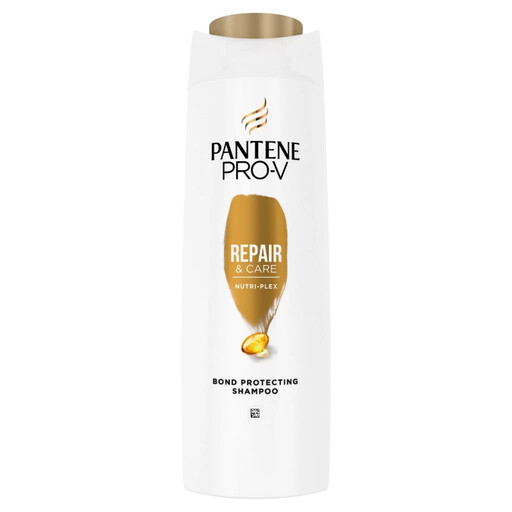
Why This Fits Their Persona: Ideal for users seeking a reliable and well-priced solution for the daily care of damaged hair. The formula aims to make hair more resilient against styling damage.
According to the manufacturer, this version is free from silicones, paraffins, and colourants. It bypasses the "silicone-veil" effect, instead relying on the Pro-V nutrient complex to strengthen the hair from within.
The formula with active nutrients counteracts signs of hair damage and helps prevent the formation of split ends. The bottle is also made from 100% recycled plastic (excluding the cap and dyes).
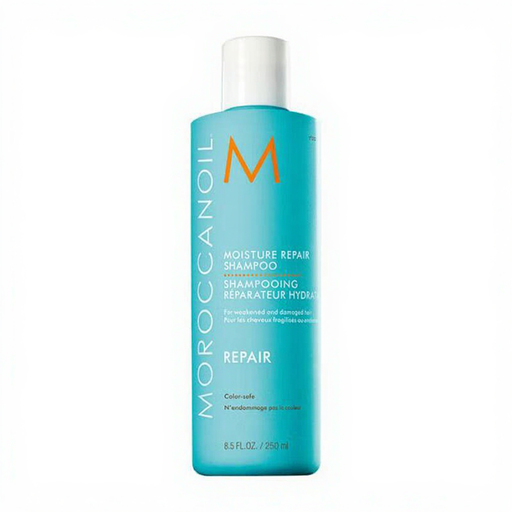
Why This Fits Their Persona: Perfect for users who want to invest in high-quality ingredients, especially for severely damaged or colour-treated hair. The focus is on a nourishing yet gentle cleanse.
The formula is sulphate-, paraben-, and phosphate-free. It cleanses gently without stripping the hair or irritating the scalp, and avoids vague promises with a clear list of high-quality ingredients like argan oil and keratin.
The combination of argan oil, keratin proteins, and fatty acids provides intensive repair and moisture. The sulphate-free formula is especially gentle on colour-treated hair and protects against colour fade.
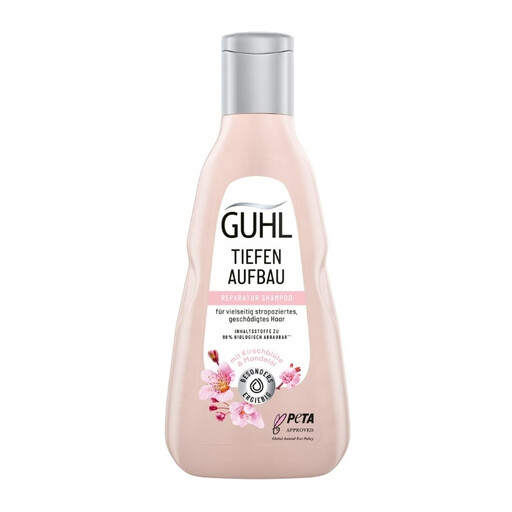
Why This Fits Their Persona: Suitable for users who value vegan recipes, a high percentage of ingredients from natural origins, and German manufacturing, without compromising on a targeted repair effect.
The product focuses on transparency: according to the manufacturer, the vegan formula consists of 93% ingredients of natural origin. Instead of vague complexes, it names specific ingredients like almond oil, cherry blossom, and plant-based keratin.
The combination of nourishing almond oil and strengthening plant-based keratin offers restorative care. The dermatologically tested formula and the bottle body made of 99% recycled material appeal to environmentally and health-conscious buyers.
We have compiled a complete, real-time list of products that fully satisfy these strict selection criteria and UK safety regulations.
The frequency of use depends on the condition of your hair. For severely damaged hair, daily use may be beneficial. Once its condition improves, you can alternate it with a milder, moisturising shampoo to avoid over-conditioning or weighing the hair down. Pay attention to how your hair responds.
Once hair ends have split, they cannot be fused back together. However, a good shampoo for split ends can smooth the hair's surface and temporarily seal the tips, making them less noticeable and preventing further splitting. The most effective measure against split ends remains a regular haircut.
Typical signs of damaged hair that needs restorative care include:
If several of these points apply to your hair, a shampoo for dry hair with repairing properties is a good choice.