
Lieferung heute & morgen

Qualitätsgarantie

Willkommens-Angebote freischalten: KOSTENLOSE Lieferung | Bis zu 80 % RABATT | Kostenlose 30-Tage-JoyPlus-Testphase
App herunterladen
By the Joybuy Product Recommendation Officer, August 28, 2026
A good hair serum can transform dry, damaged hair, tame frizz, and impart a brilliant shine. However, the market is flooded with products whose marketing promises often create more confusion than clarity. Many users know the disappointment: you invest in a highly-praised serum, only to find your hair feels weighed down, greasy, or even drier after a short time.
To help you make an informed decision and avoid costly purchasing mistakes, we have analysed the most common pitfalls and the crucial product features to look for.
Before you add a product to your cart, you should be aware of these common issues, which are often hidden behind elaborate packaging and advertising slogans.
To make the right choice, focus on the objective properties of a product. These three parameters are crucial for evaluating the performance of a hair serum or hair oil.
A serum's base determines how it feels and acts on the hair. There is no universally "good" or "bad" base; the choice depends on your hair type.
A good serum delivers more than just superficial shine. Look for ingredients that address your specific problem.
The names can be confusing, but they provide clues about texture and application.
Based on the criteria above, we have identified products that are suitable for different needs and hair types.
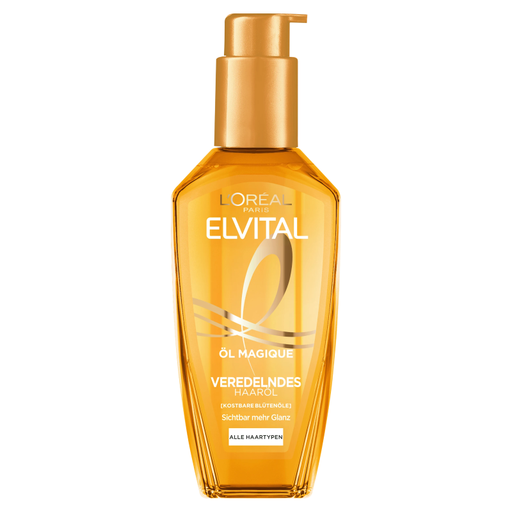
Why This Fits Their Persona: Ideal for users looking for a reliable, versatile, and affordable solution for dry hair. The formula is designed for daily use and can be applied before washing, before blow-drying, or as a finishing touch.
The lightweight oil texture is formulated to nourish without weighing hair down. It bypasses the 'weigh-down trap' and leaves a supple feeling instead of a greasy film.
Offers heat protection up to 230°C and versatile application. The formula with six flower oils aims for intensive nourishment and shine.
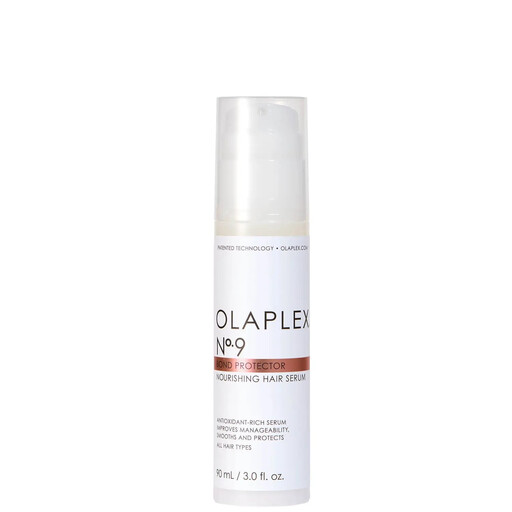
Why This Fits Their Persona: Perfect for individuals with hair severely damaged by colouring, bleaching, or heat styling. The focus is on structural repair and protection from future damage, not just superficial care.
This serum avoids the 'short-term fix' trap because it doesn't just smooth the surface. The Olaplex Bond Building Technology works to reconnect broken disulfide bonds in the hair, offering structural improvement.
The formula is silicone-free and water-based, making it very lightweight. It provides 48-hour protection from environmental pollutants and heat protection up to 232°C.
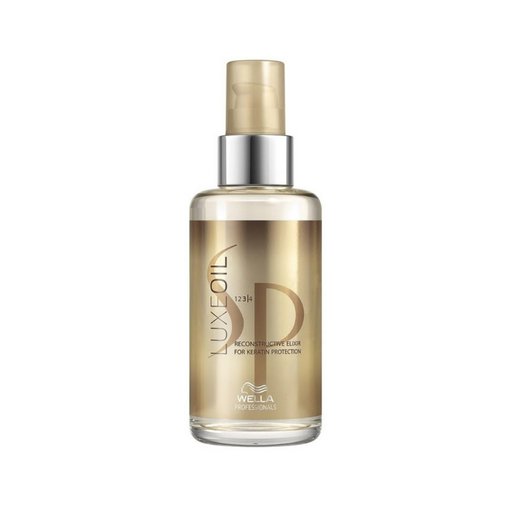
Why This Fits Their Persona: Suitable for users seeking a high-quality, lightweight oil for daily use to smooth and style hair. It's a great choice for normal to slightly dry hair that is regularly straightened or blow-dried.
The formula, explicitly described as 'lightweight' with argan, almond, and jojoba oils, avoids the 'weigh-down trap'. It absorbs well and provides smoothness without leaving a heavy, oily film.
According to the manufacturer, it provides triple keratin protection for long-lasting smoothness. The combination of three high-quality oils ensures balanced care and makes styling easier.
We've compiled a complete, up-to-date list of products that fully meet these strict selection criteria.
The frequency of application depends on your hair type and the product. Lightweight, water-based serums can be used daily. Richer oils or silicone-based serums are often applied only after each hair wash or as needed to the lengths and ends. Pay attention to the manufacturer's recommendations and adjust the amount to avoid overloading the hair.
Although the terms are often used interchangeably, there are functional differences. A hair serum is typically a lighter, often water- or silicone-based formula enriched with concentrated active ingredients to solve specific problems (e.g., frizz, lack of moisture). A hair oil consists mainly of oils and primarily serves to seal the hair's surface, lock in moisture, add shine, and make the hair supple.
A hair serum or split end fluid cannot permanently repair split ends, as split hair cannot grow back together. However, products with silicones or polymers can temporarily "glue" and seal the split ends. This improves their appearance, protects the tips from further splitting, and makes the hair easier to comb. The only long-term solution for split ends remains a regular haircut.