
Lieferung heute & morgen

Qualitätsgarantie

Willkommens-Angebote freischalten: KOSTENLOSE Lieferung | Bis zu 80 % RABATT | Kostenlose 30-Tage-JoyPlus-Testphase
App herunterladen
Choosing the right hair shampoo can be a challenge given the countless products on the market. The many promises on labels often lead to disappointment and unnecessary expense. As your Joybuy Product Recommendation Officer, I'll help you understand the crucial criteria to make an informed choice that is perfectly tailored to the needs of your hair and scalp.
Before we dive into the key parameters, let's shed light on three common marketing traps that often lead to poor purchasing decisions:
To find the right hair shampoo, focus on the ingredients and their function in relation to your hair type.
The foundation of any shampoo is its active ingredients. Identify your primary concern and look for formulations that contain the corresponding active ingredients.
Instead of avoiding these ingredients altogether, it's more useful to understand their function.
Here are some product recommendations tailored to different needs and priorities.
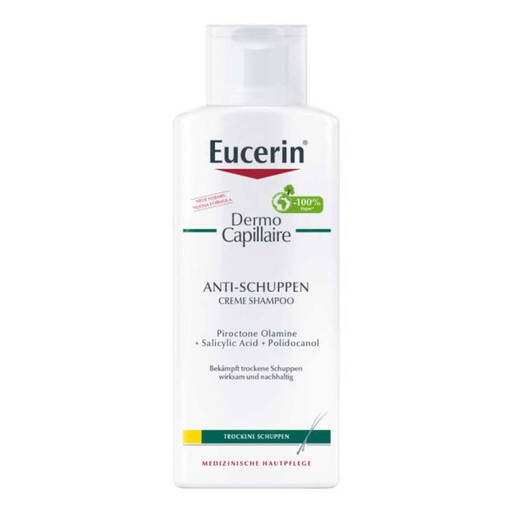
Why it's a match: This user is looking for a reliable, straightforward solution for a specific problem like dry dandruff and itching, without being swayed by marketing hype.
It's not an "all-in-one" product but a targeted formula for dry, dandruff-prone scalps. The focus is clearly on problem-solving.
Combines the anti-dandruff active ingredient Piroctone Olamine with scalp-soothing Polidocanol and Panthenol to treat both the cause and the symptoms.
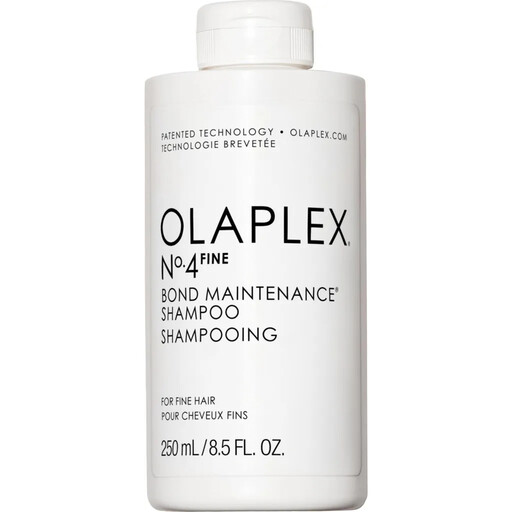
Why it's a match: Ideal for those who regularly colour or heat-style their hair and are willing to invest in a high-quality repair solution to prevent and fix damage.
Its effectiveness isn't based on vague "natural" claims, but on the patented OLAPLEX Bond Building Technology, a specific chemical formulation designed to repair disulfide bonds in the hair.
Repairs and strengthens hair on a molecular level, which according to the manufacturer leads to visibly healthier hair. The formula is also sulfate-free and colour-safe.
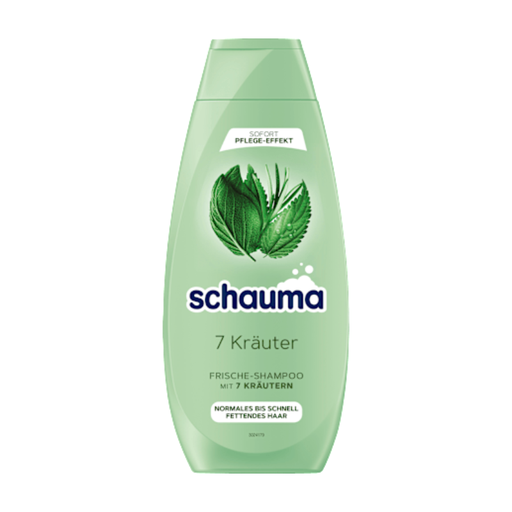
Why it's a match: For daily use on normal to quickly greasy hair. This user values a vegan, silicone-free formula at an accessible price point.
It doesn't make exaggerated promises, but clearly positions itself as a shampoo for a specific hair type (normal to oily) and communicates its properties (vegan, silicone-free) transparently.
Provides solid cleansing performance for oily hair without weighing it down with silicones. The vegan formula and herbal extract complex are clear plus points for conscious consumers.
We've compiled a complete, up-to-date list of products that fully meet these strict selection criteria.
A clarifying shampoo is designed to remove stubborn build-up from styling products, silicones, and minerals from hard water. For most hair types, using it once every one to two weeks is sufficient. Overuse can dry out the hair and scalp. People with very oily hair might be able to use it more frequently but should watch for signs of dryness.
An anti-hair loss shampoo typically contains active ingredients like a caffeine shampoo or special complexes aimed at stimulating the hair roots and supporting the hair's growth phase. The focus is on the scalp and hair root. A volumising shampoo, on the other hand, works primarily on the hair fibre itself. It often contains lightweight polymers or proteins that coat the hair, making it feel more substantial and lifting it from the roots to create a fuller appearance. It does not treat the causes of hair loss.
Hard water contains a high concentration of minerals like calcium and magnesium. These can react with the milder surfactants in sulfate-free shampoos, slightly reducing their lathering and cleansing power. However, modern sulfate-free formulations often contain chelating agents (e.g., Tetrasodium EDTA) that bind these minerals, ensuring the shampoo's effectiveness even in hard water. You might find, however, that you need to use a slightly larger amount of product or shampoo twice to achieve a completely clean feeling.