
Lieferung heute & morgen

Qualitätsgarantie

Willkommens-Angebote freischalten: KOSTENLOSE Lieferung | Bis zu 80 % RABATT | Kostenlose 30-Tage-JoyPlus-Testphase
App herunterladen
Dry ends, stressed hair, rough hands or a skin barrier that feels sensitive can easily lead to the wrong purchases. Many products promise “repair”, “regeneration” or especially intensive care. But these terms don’t automatically tell you how well a product will suit your needs.
Three common buying misconceptions come up particularly often:
When it comes to hair repair, first distinguish between cleansing, everyday care and intensive care. Shampoo removes oil, styling residue and dirt. Conditioner mainly smooths the hair’s surface and makes it easier to detangle. A hair mask for dry and damaged hair is usually richer and is typically used once or twice a week.
Light conditioners and modest amounts of mask are a good choice for fine or quickly greasy hair. Dry, curly, bleached or frequently heat-styled hair may benefit from richer repairing haircare. Ingredients such as glycerin, plant oils, proteins, panthenol or cationic conditioning agents can give you an idea of the formula’s focus. The INCI list on the packaging is the definitive guide.
For your face and body, the texture should suit your skin type too. A light gel-cream often works well for combination skin, while a richer body cream for dry skin can provide more protection against tightness. For sensitive skin, take particular care to check for fragrances and certain preservatives.
A barrier repair cream often contains humectants, skin-like lipids or soothing ingredients. Ceramides, glycerin, hyaluronic acid, panthenol and certain oils may be combined in different ways. However, their presence alone is no guarantee of effectiveness.
When choosing a repairing face cream, also look out for:
Korean skincare often combines several lightweight steps. This can be practical, but it also means using more formulas. If your skin is sensitive or prone to blemishes, introduce new products one at a time and test them on a small area first.
Using more product doesn’t automatically mean better care. For conditioner and masks, it’s usually enough to treat the lengths and ends. Only apply them to your scalp if the product description specifically says to. Creams are often more comfortable to apply regularly to slightly damp skin, but the manufacturer’s specific instructions should always take priority.
For cosmetics bought in Germany, important details include a legible ingredients list, batch information, shelf life and details of the responsible person. Follow age restrictions and warnings for products containing salicylic acid or other specially labelled ingredients. Stop using a product if you experience redness, stinging or itching. Cosmetic skincare is no substitute for seeking medical advice about persistent symptoms.
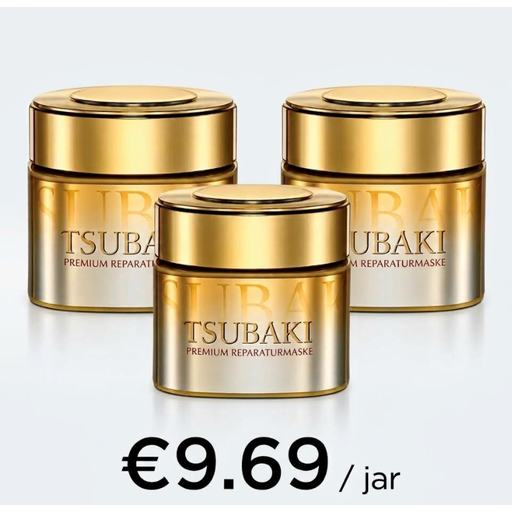
Why it suits this profile: Three 180 g tubs are ideal for regular weekly haircare and mean fewer repeat purchases if your hair is dry, rough or chemically treated.
It’s clearly intended for use on the lengths and ends, once or twice a week. This means the mask won’t be used as a daily substitute for shampoo or conditioner.
Rich texture, 180 g per tub and instructions for dry or stressed hair.
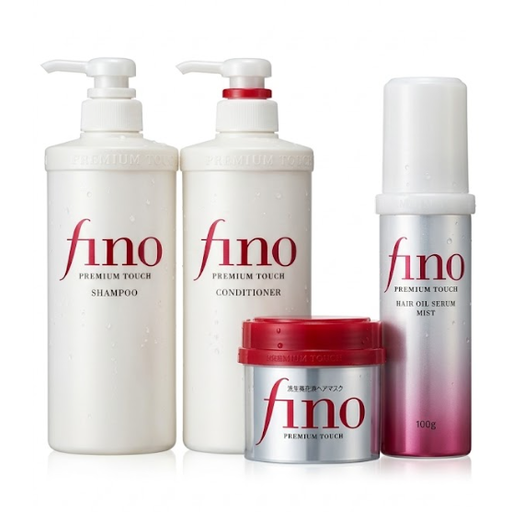
Why it suits this profile: Shampoo, conditioner, hair mask and hair oil combine to create a coordinated routine for dry, coloured or heat-styled hair.
Each step serves a different purpose, so you won’t end up using every product too often or in excessive amounts.
Four distinct haircare products, plus a hair oil to finish the lengths.
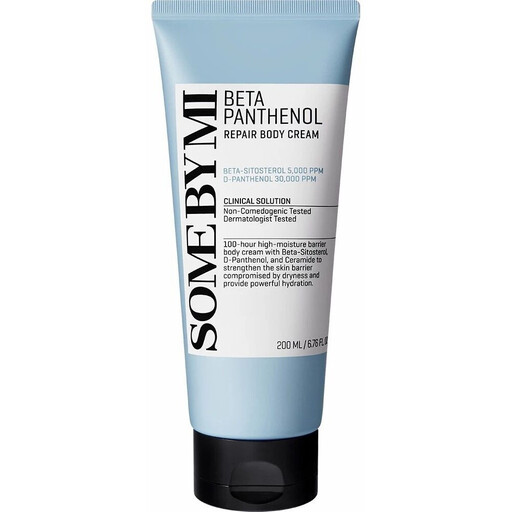
Why it suits this profile: This body cream is for anyone looking to care for dry or sensitive-feeling skin on their body regularly after showering.
Applying it to slightly damp skin and its creamy, fast-absorbing texture make it easy to include in your daily routine.
200 ml tub, with beta-panthenol, allantoin, ceramides and hyaluronic acid according to the product description.

Why it suits this profile: This face cream is designed for a focused routine with a manageable number of products. According to the INCI list, it contains several ceramides and types of hyaluronic acid.
Apply the cream as the last or second-to-last step. A patch test beforehand can help you assess how well your skin tolerates it.
50 ml, several ceramides and seven forms of hyaluronic acid according to the product description.
We’ve put together a complete, regularly updated list of products that meet these strict selection criteria and fully comply with the safety regulations in force in the EU.
No. Haircare can temporarily smooth rough areas, improve manageability and make your hair look healthier. Split ends can only be cosmetically held together for a while; a haircut is the only way to remove them permanently.
For many rich masks, once or twice a week is a sensible starting point. If you have fine hair, use less and apply the mask mainly to the ends. Always follow the specific leave-in time and dosage on the packaging.
There’s no one-size-fits-all recommendation. Check the INCI list, fragrances, directions for use and how well your skin tolerates the product. Test new products on a small area first. If redness, swelling, itching or stinging persists, stop using the product and seek medical advice if needed.