
Lieferung heute & morgen

Qualitätsgarantie

Willkommens-Angebote freischalten: KOSTENLOSE Lieferung | Bis zu 80 % RABATT | Kostenlose 30-Tage-JoyPlus-Testphase
App herunterladen
By Joybuy Product Recommendation Officer, August 29, 2026
Damaged, dry, or lackluster hair is a widespread problem. A hair treatment or hair mask promises a quick fix and intensive nourishment. However, the market is saturated with products whose marketing claims often suggest more than their formulations can deliver. Many users invest in expensive treatments, only to find the effects vanish after the next wash or that the product is unsuitable for their hair type.
This guide will help you identify the key factors that define an effective intensive treatment. We will analyze the most common pitfalls and show you what to look for when making your selection, enabling you to make an informed decision for your hair.
Before choosing a product, it's important to understand the common marketing strategies and product limitations that can lead to unsatisfying results.
To find a suitable intensive hair treatment, you should focus on objective criteria. The following three parameters are crucial for effectiveness.
The fundamental distinction lies in the primary care objective: providing moisture or rebuilding structure.
Silicones are not inherently bad, but their type is crucial.
The texture and composition must match the hair type.
Based on the criteria mentioned, we have compiled a selection of products for different user profiles.
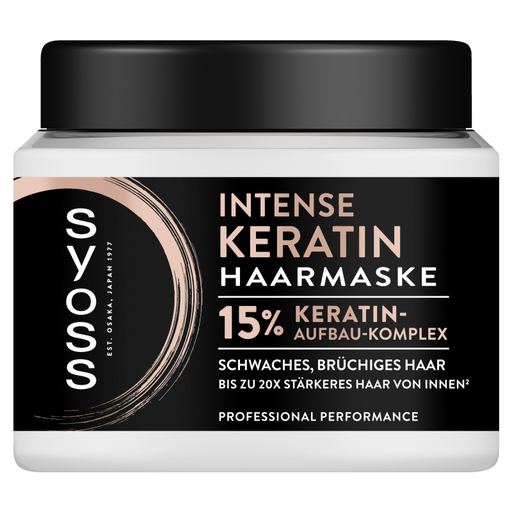
Why this product is a good fit: This mask offers keratin-based care for weak and brittle hair at an accessible price point. It is ideal for anyone looking for a straightforward and effective solution for weekly use.
Instead of making vague, all-purpose promises, the formula clearly focuses on structural repair through keratin. It bypasses the "one-size-fits-all" pitfall by clearly positioning itself for damaged hair.
The 4-in-1 application (as a pre-shampoo, conditioner, mask, or leave-in) offers maximum flexibility in your hair care routine. The formula aims to strengthen hair from within.
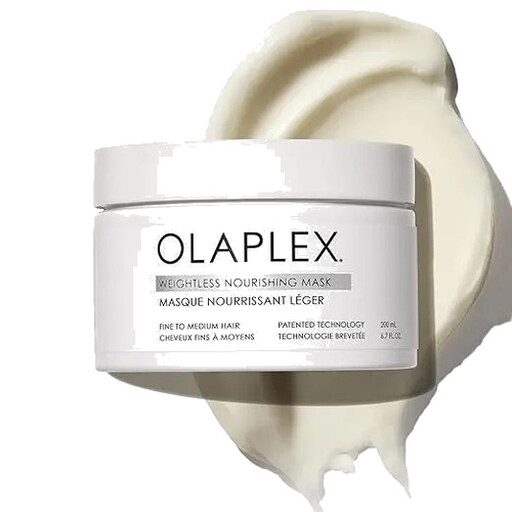
Why this product is a good fit: This mask is specifically designed to provide intensive moisture without weighing down fine hair. It is ideal for individuals whose hair quickly loses volume but still needs nourishing care.
It solves the problem of "one-size-fits-all" formulations by offering targeted, weightless hydration. Its technology (Biomimetic Cuticle Technology) is specific and not just a vague marketing promise.
Provides intense moisture and volume without weighing hair down. According to the brand's clinical study, hydration is instantly increased 16-fold and breakage is reduced by 71%.
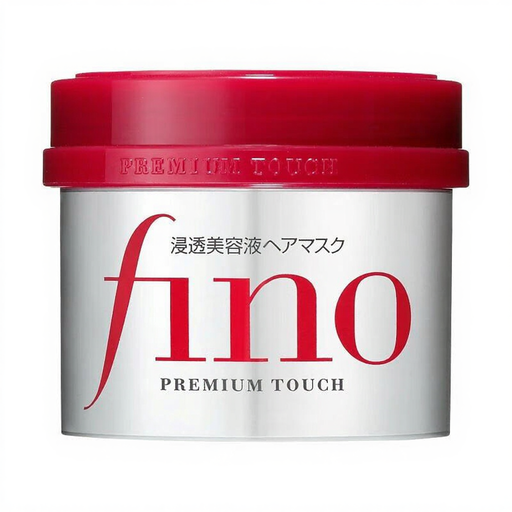
Why this product is a good fit: A cult-favorite product from Japan, this mask is renowned for its intensive repair action. It targets users seeking a high-performance solution for hair severely damaged by coloring or heat.
This mask avoids the pitfall of low-concentration active ingredients. Ingredients like royal jelly extract, squalane, and glutamic acid are high on the INCI list, indicating a high concentration and efficacy.
Offers deep-penetrating repair inspired by skincare technologies. The formula is designed to penetrate deep into the hair shaft to replenish lost moisture and lipids.
We have compiled a complete, up-to-date list of products that fully meet these strict selection criteria and German safety regulations.
The frequency of application depends on the condition of your hair. For slightly dry hair, once a week is usually sufficient. For severely damaged hair, applying it two to three times a week initially can be beneficial. Monitor how your hair reacts to avoid over-conditioning (e.g., from too much protein or moisture), which can make hair limp or stiff.
In practice, the terms hair treatment and hair mask are often used interchangeably today. Traditionally, a treatment was considered a lighter, more regular conditioner, while a mask was a richer intensive hair treatment for deeper repair. Today, the product name is less important than the ingredients and the recommended application time. A rich formulation with a longer application time is more akin to a classic mask, regardless of its name.
A treatment for split ends cannot permanently repair or "glue" split ends back together. A split end is physical damage to the hair structure. However, a good repairing hair mask can smooth the hair's surface, temporarily seal the ends, and thus improve their appearance. More importantly, it has a preventive effect: it strengthens the hair and provides it with moisture to prevent future split ends. The only way to completely eliminate split ends is still a haircut.