
Lieferung heute & morgen

Qualitätsgarantie

Willkommens-Angebote freischalten: KOSTENLOSE Lieferung | Bis zu 80 % RABATT | Kostenlose 30-Tage-JoyPlus-Testphase
App herunterladen
By the Joybuy Product Recommendation Officer, August 28, 2026
Stressed, dry hair prone to breakage is a widespread problem. Frequent colouring, heat styling, or environmental factors can damage the hair's structure, leaving it brittle and dull. The market for hair care products is vast, and the search for an effective hair treatment for damaged hair can quickly become overwhelming. Many products promise rapid results, but not all deliver on their claims.
This guide will help you see through marketing promises and make an informed decision. We will highlight the most common purchasing pitfalls and explain the objective criteria that truly matter in a repairing hair mask.
Before you invest in a new intensive hair treatment, you should be aware of the common marketing strategies that often lead to disappointment.
To find an effective treatment for stressed hair, you should focus on the composition and function of the ingredients.
A good hair treatment is characterised by a well-thought-out combination of different active ingredient groups that perform distinct functions:
The effectiveness of a treatment also depends on its ability to penetrate deep into the hair. Products with smaller molecules (e.g., hydrolyzed proteins, amino acids) often require only a short application time to work their magic inside the hair. Formulations that primarily act on the hair's surface (e.g., through oils and film-formers) provide immediate detangling and shine. A balanced formula combines both approaches for a comprehensive result.
Instead of making a blanket recommendation, we have identified products tailored to specific user profiles and hair concerns.
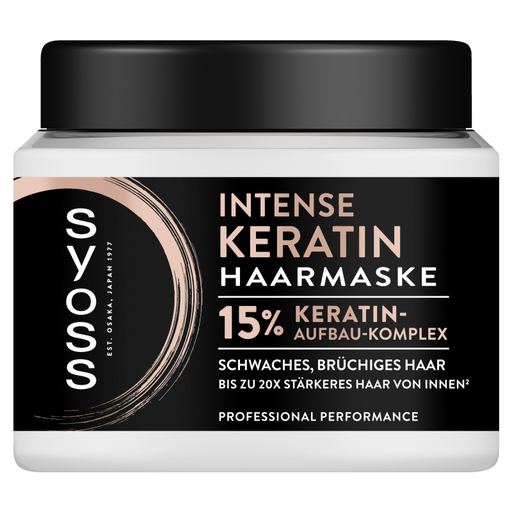
Why it's a match: Ideal for those seeking an affordable yet effective solution for brittle and weakened hair. The formula focuses on a fundamental building block for hair repair.
This product bypasses the pitfall of overhyped exotic ingredients. Instead, it relies on a high concentration of hydrolyzed keratin, a proven active for strengthening the hair structure from within.
The 4-in-1 application (as a pre-shampoo, conditioner, mask, or leave-in) offers great flexibility in your care routine. The formula aims to fortify the hair without weighing it down.
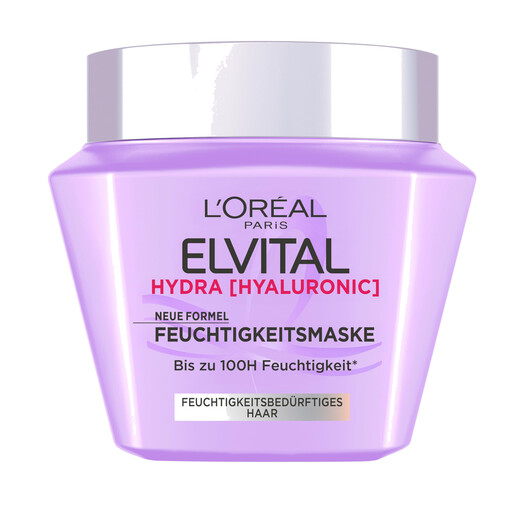
Why it's a match: Specifically for users whose main problem isn't breakage, but extreme dryness, frizz, and lack of bounce. The formula is targeted for intense hydration.
This product avoids the "one-size-fits-all" trap by clearly focusing on a specific need: intense hydration. The spotlight is on hyaluronic acid, a renowned moisture-binding agent.
The formula is designed to plump up hair fibres with moisture and seal it in for long-lasting results. This can lead to noticeably more softness and shine in dehydrated hair.
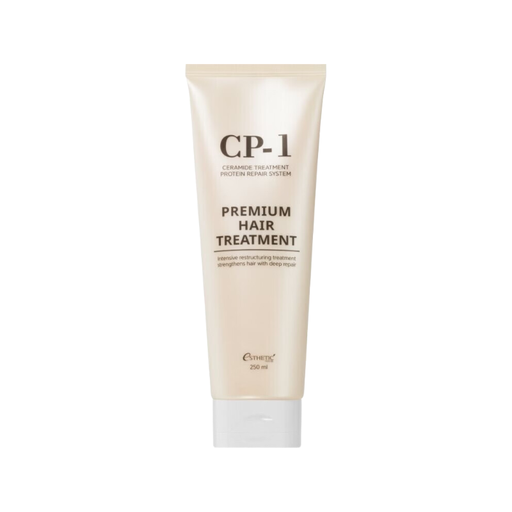
Why it's a match: Designed for users with severely damaged hair from repeated colouring, bleaching, or straightening. This treatment offers a highly concentrated protein infusion for intensive hair repair.
This product avoids the "instant repair" pitfall by aiming for a sustainable effect. Its complex of low-molecular-weight proteins and ceramides penetrates deep into the hair structure to fill gaps, rather than just forming a superficial layer.
The formula contains a wide range of proteins (including silk, wheat, and collagen) and amino acids. This diversity of building blocks provides comprehensive nourishment to restore the hair's integrity.
We've compiled a full, up-to-date list of products that fully meet these strict selection criteria and UK regulations.
1. How often should you use a hair treatment for damaged hair? The frequency of application depends on the degree of hair damage. For slightly to moderately stressed hair, once a week is usually sufficient. For severely damaged hair, such as after bleaching, using it two to three times a week may be beneficial. As the condition of the hair improves, the frequency can be reduced. Always follow the application recommendations on the specific product.
2. What is the difference between a hair mask and a conditioner? A conditioner primarily works on the surface of the hair. Its main job is to smooth the cuticle layer that has been roughened up after washing, detangle the hair, and improve combability. A hair mask or hair treatment has a richer formulation with a higher concentration of nourishing ingredients. It is designed to penetrate deeper into the hair structure and is used as a weekly intensive hair treatment for repair and nourishment.
3. Can a hair treatment truly repair split ends? No product can permanently fuse split ends back together. However, a good repairing hair mask can temporarily seal the cuticle, making split ends less visible and the hair appear smoother. More important is the preventive effect: by strengthening the hair shaft, a high-quality treatment can counteract new split ends and further hair breakage. The only permanent solution for existing split ends remains a haircut.