
Lieferung heute & morgen

Qualitätsgarantie

Willkommens-Angebote freischalten: KOSTENLOSE Lieferung | Bis zu 80 % RABATT | Kostenlose 30-Tage-JoyPlus-Testphase
App herunterladen
Stressed, dry, or brittle hair is a widespread problem. Frequent colouring, heat styling, or environmental factors can weaken the hair's structure, leading to a dull, lifeless appearance. The market offers a plethora of products that promise a quick fix. However, not every hair treatment for damaged hair delivers on its promise.
As your Joybuy Product Recommendation Officer, I'm here to help you navigate the marketing jungle. In this guide, I'll show you which pitfalls to avoid and what parameters truly matter when selecting a product to effectively nourish and repair your hair.
Before making a purchase, it's crucial to critically examine common marketing claims. Many products lead to disappointment because they focus on short-term effects rather than sustainable, long-term care.
To make an informed decision, you should focus on the objective properties of a product. The following three parameters are crucial for finding an effective treatment for stressed hair.
A good intensive treatment for damaged hair often combines active ingredients from different categories to meet various needs:
For severely damaged hair, especially after chemical treatments like bleaching or perms, surface-level care is often not enough. This is where bond-building technologies come into play. These active ingredients, made famous by brands like Olaplex, work on a molecular level to reconnect broken disulfide bonds inside the hair. A good Olaplex alternative relies on similar principles, often using peptide complexes, to fundamentally repair the hair and restore its resilience.
Pay attention to the consistency and the base of the formulation:
Here are some products from our range, tailored to different user profiles.
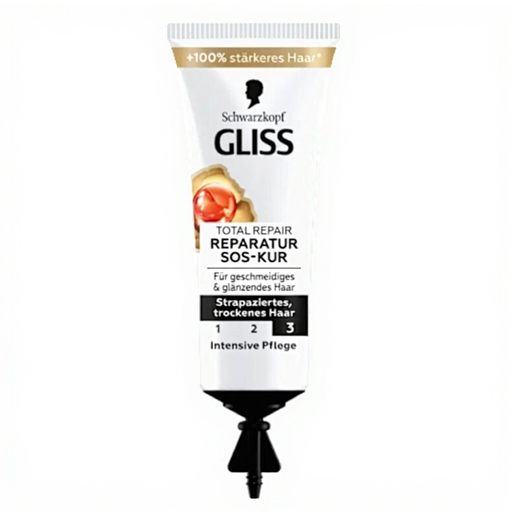
Why This Fits Their Persona: Ideal for anyone looking for an effective, budget-friendly solution for occasional use or for those who want to try a treatment first. The convenient travel size is perfect for on the go.
The product is clearly positioned as an SOS remedy, not an overpriced miracle cure. Its formula relies on liquid keratin to specifically support the hair structure instead of just creating a superficial shine.
Contains liquid keratin and flower nectar to strengthen hair fibres. The resealable packaging is practical and prevents product waste.
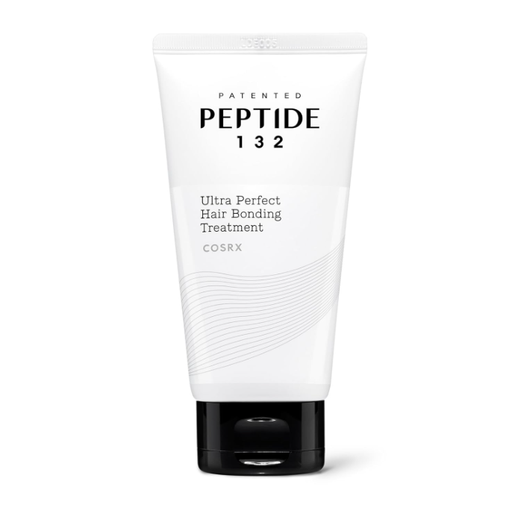
Why This Fits Their Persona: Perfect for individuals whose hair is heavily stressed from colouring, bleaching, or frequent heat styling. The formulation targets the repair of the internal hair structure and is a great Olaplex alternative.
Instead of vague promises, this product focuses on a specific, declared technology (Peptide-132). The focus is on repairing hair bonds, which goes beyond purely superficial care and bypasses the "active ingredient bait" pitfall.
Uses a patented Tripeptide-132 technology to repair the keratin structure. The sulphate-free formula is gentle on the hair and scalp.
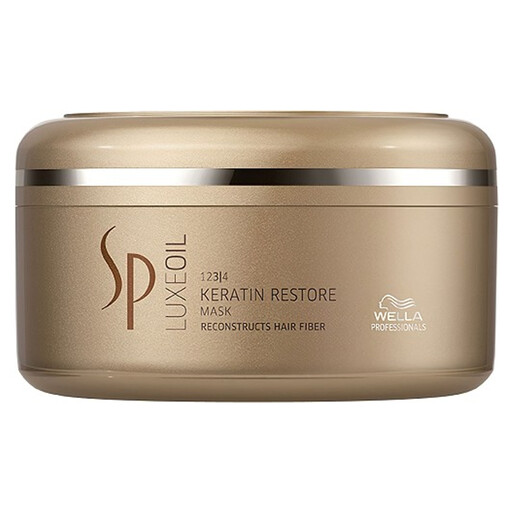
Why This Fits Their Persona: For users seeking a luxurious and nourishing treatment for dry and damaged hair. The combination of high-quality oils and keratin offers a comprehensive care experience.
This mask doesn't rely on a single, overhyped ingredient. It offers a balanced formula of three well-known, effective oils and structuring keratin, ensuring transparent and effective care.
Combines argan, jojoba, and almond oils for intensive nourishment and smoothness. The included hydrolysed keratin helps to rebuild the hair's structure.
We have compiled a complete, up-to-date list of products that fully meet these strict selection criteria and safety standards.
1. How often should you use a hair treatment for damaged hair? The frequency of use depends on the condition of your hair. For severely damaged hair, application once or twice a week is recommended. For preventative care or for slightly dry hair, using it every one to two weeks is sufficient. Always follow the instructions on the specific product.
2. Can a hair treatment truly "repair" split ends? No, it is not possible to completely repair ends that have already split. However, a good hair treatment can temporarily improve the appearance of split ends by smoothing and sealing the hair fibres. It acts as an effective remedy for hair breakage and can help prevent new split ends from forming. The only way to permanently remove split ends is to get a haircut.
3. What is the difference between a hair mask and a conditioner? A conditioner is typically used after every hair wash, has a short leave-in time, and primarily serves to detangle the hair and smooth the outer cuticle layer. A hair mask for dry hair or an intensive treatment has a richer formula with a higher concentration of nourishing ingredients. It requires a longer leave-in time (usually 5-20 minutes) to penetrate deeper into the hair structure and deliver an intensive repairing and conditioning effect.