
Lieferung heute & morgen

Qualitätsgarantie

Willkommens-Angebote freischalten: KOSTENLOSE Lieferung | Bis zu 80 % RABATT | Kostenlose 30-Tage-JoyPlus-Testphase
App herunterladen
Choosing the right hairbrush often seems like a minor detail, but the wrong tool can lead to breakage, frizz, and an irritated scalp. The market is flooded with models that promise universal suitability but often disappoint in practice. Before you make a decision, it's crucial to understand the most common pitfalls that can lead to a bad purchase.
As a Joybuy Product Recommendation Officer, I analyse product data to provide you with objective and practical guidance. This guide will help you distinguish marketing promises from genuine product features.
The 2 Most Common Pitfalls When Buying a Hairbrush:
To find the right brush, focus on three verifiable criteria: bristle material, brush shape, and build quality.
The bristle material determines how the brush interacts with your hair and scalp.
The shape is not purely a design element; it determines the primary application.
Here are some models that are suitable for specific needs and user profiles based on their specifications.
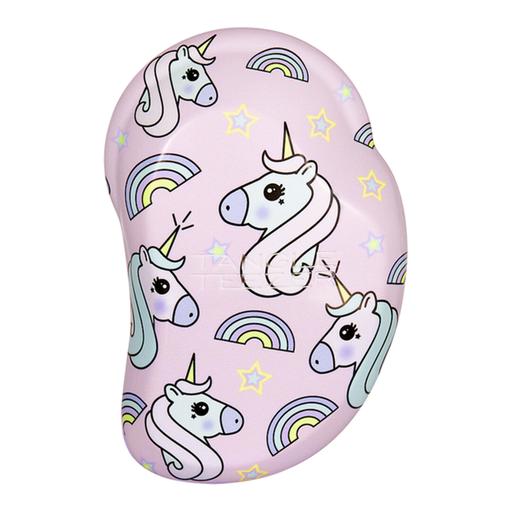
Why this model is a good fit: This hairbrush for children was specially designed to make brushing a pain-free and even fun experience. The design appeals to children and encourages them to take care of their own hair.
It bypasses the "one-size-fits-all" myth, as its flexible, two-tiered bristles are specifically designed for detangling fine children's hair without pulling—unlike rigid brushes made for adults.
The long bristles detangle knots, while the short bristles smooth the hair's surface. The attachable cover protects the bristles, making the brush ideal for travel.
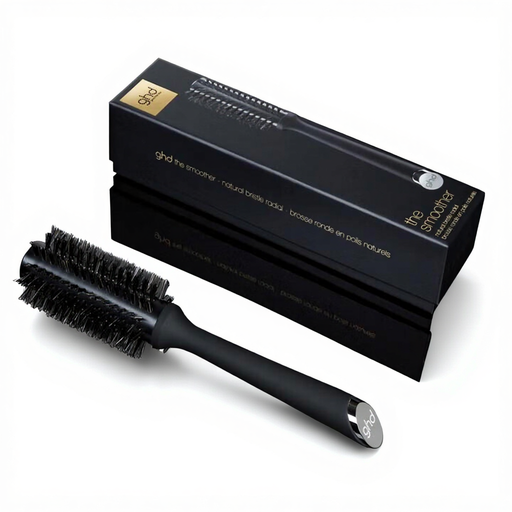
Why this model is a good fit: This round brush is designed for users who want volume, shape, and a shiny finish when blow-drying. The 35mm diameter is well-suited for short to medium-length hair.
It debunks the myth of poor-quality materials. The ceramic barrel and natural bristles are heat-resistant and optimised for heat styling, unlike basic plastic brushes that can melt or distribute heat unevenly.
The hollow, vented ceramic barrel ensures a faster drying time through optimised airflow. The natural bristles smooth the hair's cuticle for extra shine.
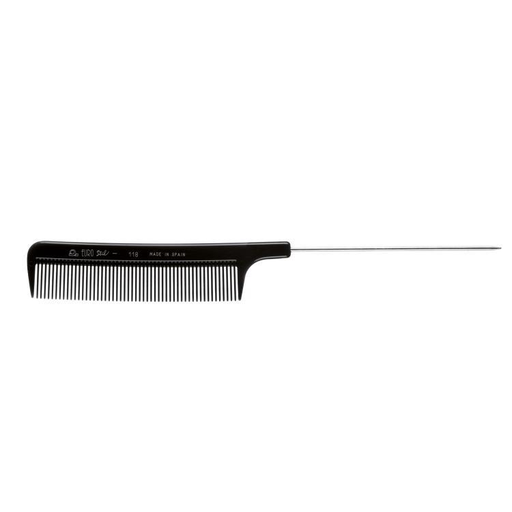
Why this model is a good fit: This pintail comb is a specialised tool for users who need to create precise partings or section hair accurately—whether for colouring, updos, or complex styling.
This tool is the opposite of an all-rounder. It is designed for a specific task and surpasses any standard comb in terms of precision. The pitfall of using an unsuitable tool is avoided here through specialisation.
The combination of sturdy nylon teeth for combing and a thin, stable metal tail allows for clean and fast work. This is a hallmark of a true professional hairbrush or comb.
We have compiled a complete, up-to-date list of products that fully meet these strict selection criteria and applicable regulations.
It is recommended to remove loose hair from the brush daily. A more thorough cleaning is advisable every one to two weeks, depending on the use of styling products. For this, most brushes (except those with a wooden body) can be washed with lukewarm water and mild soap. Make sure to let the brush dry thoroughly afterwards, with the bristles facing down.
A hairbrush should be replaced as soon as visible defects appear. These include bent or broken bristles, a cracked brush cushion, or missing protective caps on the bristle tips. Using a damaged brush can lead to hair breakage and injure the scalp.
A comb and a brush serve different purposes. A comb, especially a wide-tooth one, is ideal for detangling wet hair, as hair is more elastic and prone to breakage when wet. It is also the tool of choice for creating precise partings. A hairbrush is typically used on dry hair to smooth, style, create volume, and distribute the scalp's natural oils.