
Lieferung heute & morgen

Qualitätsgarantie

Willkommens-Angebote freischalten: KOSTENLOSE Lieferung | Bis zu 80 % RABATT | Kostenlose 30-Tage-JoyPlus-Testphase
App herunterladen
Dry, coloured or chemically treated hair does not automatically require a huge collection of products. What matters is whether your haircare suits the condition of your hair, your daily routine and the style you want to create. However, choosing haircare for damaged hair often leads to unnecessary costs – for example, through overcomplicated routines or products that are not suited to your hair type.
Terms such as ‘Repair’, ‘Bonding’ or ‘salon care’ do not always describe the same product performance. A conditioner may smooth the hair surface and make combing easier, while a leave-in product may mainly reduce frizz or provide heat protection. Before buying, you should therefore check the product type, application method and ingredients.
Oils, silicones and rich conditioning ingredients can make dry hair feel smoother. However, on fine or quickly greasy hair, using a large amount can leave it looking weighed down. Applying a small amount to the mid-lengths and ends is generally more suitable than applying it at the roots.
Heat protection does not automatically eliminate every possible source of damage from a hairdryer, straighteners or curling wand. Temperature, exposure time and frequency remain important factors. Appliances should only be used according to the instructions. For electrical products, plug standard, voltage specifications, temperature settings and safety distances are also relevant.
For daily care, a conditioner for dry hair is suitable. Apply it after shampooing, leave it on briefly and rinse it out. For a rough, severely damaged texture, a hair mask for stressed hair can be used once or twice a week. If you mainly notice tangles, frizz or dry ends, you can add a leave-in haircare product or hair serum.
Texture is particularly important for curly hair. A lightweight moisturising product can support curl definition without weighing the hair down unnecessarily. When choosing curl care, you should also check whether the product is rinsed out or left in the hair, and whether fragrances or certain film-forming ingredients need to be taken into account.
Amino acids, hydrolysed proteins, glycerine, panthenol, ceramides and plant oils are commonly used in repair haircare and moisturising formulas. Their functions differ:
The complete INCI list on the packaging is the deciding factor, as formulas can change. If you have a sensitive scalp or known allergies, test a product on a small area first. Cosmetic care is not a substitute for dermatological assessment in the event of persistent symptoms.
A heat protectant for hair is applied to either damp or dry hair, depending on the product. It is important to follow the application instructions and fully detangle your hair before using a hot styling tool. An electric hairbrush with several temperature settings is practical: fine or previously damaged hair should always be styled at a lower setting.
According to the product information, the Wavytalk Thermal Brush has five temperature settings from 150 to 215 °C and a 38-mm heating element. It is designed as a heated round brush and, according to the description, is not a hairdryer brush model. Buyers should also note that a UK plug is specified for the listed variants. Before using it in Germany, compatibility with the available power supply must therefore be checked.
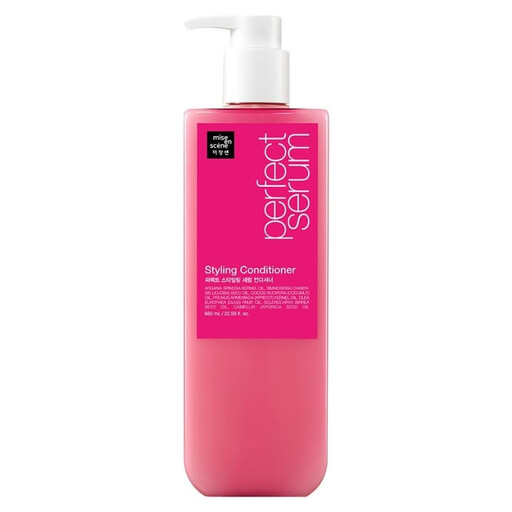
Why this product suits the profile: The generous 680-ml size is suitable for a regular conditioner routine for dry or frizzy hair. Apply the creamy texture to the mid-lengths and ends after shampooing, leave it on for two to three minutes and rinse.
The product description specifies clear application steps and ingredients such as dimethicone, argan oil, camellia oil and hydrolysed silk, rather than making only a general repair claim.
680 ml contents, daily use according to the product information, with a focus on improved combability and a smoother hair feel.
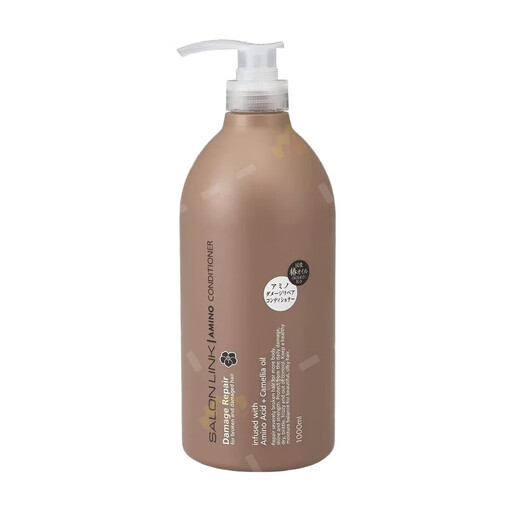
Why this product suits the profile: According to the product information, the formula contains 16 amino acids, hydrolysed silk, ceramides, hyaluronic acid and plant oils. This appeals to buyers who prefer to make a detailed, INCI-focused choice.
The choice can be assessed based on the named ingredients and a clear leave-on time of three to five minutes. Apply it specifically to the lengths, not the scalp.
1000 ml contents, a mildly acidic formula according to the product description, plus amino acid and protein ingredients.
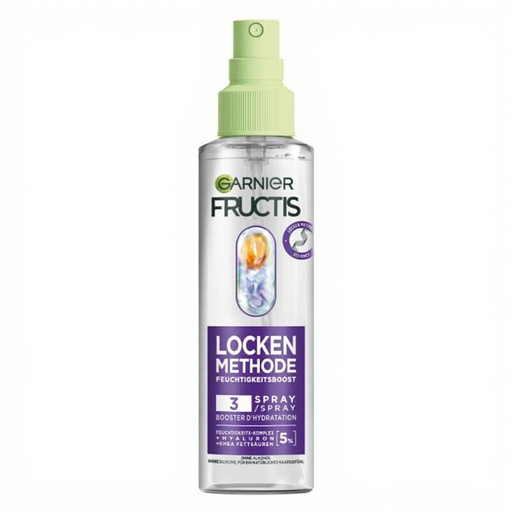
Why this product suits the profile: The spray is designed for curly hair and, according to the product information, can be used on damp or dry curls. This also makes it suitable for refreshing curls between washes.
The product type is clearly a moisturising spray, not a rinse-out mask. This makes it easy to tailor use specifically to definition and refreshing curls.
150 ml contents, a silicone-free formula according to the product description, and use on damp or dry curls.
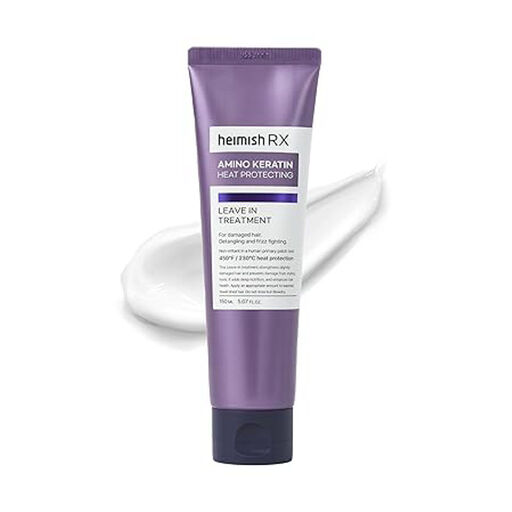
Why this product suits the profile: According to the product information, this leave-in product combines keratin, 17 amino acids and stated heat protection up to 230 °C. Apply it to towel-dried hair after washing.
The temperature specification is clearly stated and the application method is explained. Even so, you should choose the lowest possible styling temperature in practice.
Leave-in use without rinsing, combined with keratin, amino acids and stated heat protection.
We have put together a complete, regularly updated list of products that fully meet these strict selection criteria and the safety regulations applicable in the EU.
A straightforward routine can consist of three steps:
For curly hair, gently scrunch the strands after applying a spray. If you have fine hair, use a smaller amount of product. Oils and serums should mainly be applied to the ends so that the roots are not weighed down unnecessarily.
A conditioner can be used every time you wash your hair, provided it does not leave your hair feeling weighed down. A hair mask is often sufficient once or twice a week. Leave-in products and serums should be used sparingly and adjusted to suit your hair’s texture.
No. Heat protection can complement your styling routine, but it cannot prevent every source of damage. Low temperatures, short contact times, completely dry hair when using hot brushes and regular breaks from styling remain important. The relevant manufacturer’s instructions are binding.
This depends on hair length, hair density, frequency of use and the amount applied. Large-volume conditioners such as 680 or 1000 ml are designed for regular use, while a 150-ml spray is more suitable for targeted curl care or refreshing curls. Adjust the amount gradually rather than immediately applying too much product.