
Lieferung heute & morgen

Qualitätsgarantie

Willkommens-Angebote freischalten: KOSTENLOSE Lieferung | Bis zu 80 % RABATT | Kostenlose 30-Tage-JoyPlus-Testphase
App herunterladen
Dry, damaged or frizzy hair does not automatically need the richest possible formula. In many cases, the combination of care format, application and hair type determines whether a product remains practical for everyday use. If you focus only on terms such as “Repair”, “Gloss” or “Professional”, you may easily end up with a product that weighs your hair down, does not suit your styling routine or is unsuitable for sensitive skin.
“Intensive haircare” or “bonding” initially describes product positioning, not a uniformly defined performance standard. Specific details such as leave-in or rinse-out product, recommended areas of application, processing time and heat protection temperature are what really matter. Without this information, objective comparison is difficult.
Hair oil, hair serum and rich hair cream can make dry lengths feel smoother. However, a large amount can leave fine or quickly greasing hair looking heavy and stringy. The amount should therefore be adjusted to the hair’s length, porosity and density. To begin with, a small amount applied to the lengths and ends is usually sufficient.
Cosmetic haircare can smooth the surface, make combing easier and leave hair looking better cared for. Split ends that have already formed will not grow back together as a result. Suitable haircare for split ends can seal the ends visually and reduce mechanical stress; regular trimming remains advisable in cases of severe split ends.
A conditioner for dry hair is distributed through the lengths and ends after shampooing and rinsed out after the recommended processing time. This is suitable for regular basic care. A leave-in conditioner, hair cream or hair serum remains in the hair and is practical for added smoothness, frizz control or styling.
There are also special products for overnight use, such as leave-in masks. These are applied to dry or damp hair and are not rinsed out. With fine hair, the amount should be kept particularly small.
The complete INCI list is generally arranged in descending order of concentration. Moisturising ingredients such as glycerine, panthenol or hyaluronate may be of interest for hair that feels dry. Silicones and cationic conditioning ingredients can improve combability and make the hair’s surface appear smoother. This is not inherently a quality issue; it should simply suit your personal haircare routine.
Fragrance ingredients can create a pleasant application experience, but they are an important point to check if you have known sensitivities. Some of the products featured contain fragrance ingredients that must be declared, such as Limonene, Linalool or Benzyl Salicylate. If you have sensitive skin, it is advisable to check the packaging and, where appropriate, carry out a compatibility test in line with the manufacturer’s instructions.
Heat protection for hair is particularly important before using a hairdryer, straighteners or a curling wand. Temperature claims such as up to 230 °C are product-specific application guidance, not a general guarantee for every styling duration or hair type. The temperature should be kept as low as possible, the same section of hair should not be exposed repeatedly, and the product must be distributed evenly.
With sprays and lotions containing alcohol, also observe the flammability warning while the product has not yet dried. The packaging contains the binding application instructions.
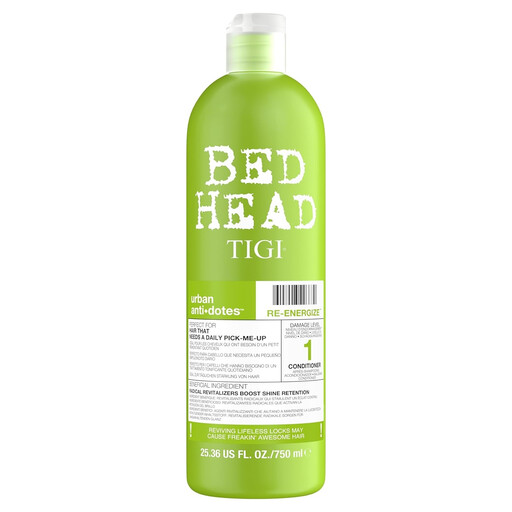
Why this product suits this profile: The large 750-ml bottle is suitable for regular basic care of normal to dry hair. Apply the conditioner to the lengths and ends after washing, then rinse out after 3–5 minutes.
The clear rinse-out format makes the amount easy to control and reduces the risk of fine hair being weighed down by a product that remains in the hair.
750 ml content, glycerine and silicones according to the product description, plus a specified processing time of 3–5 minutes.
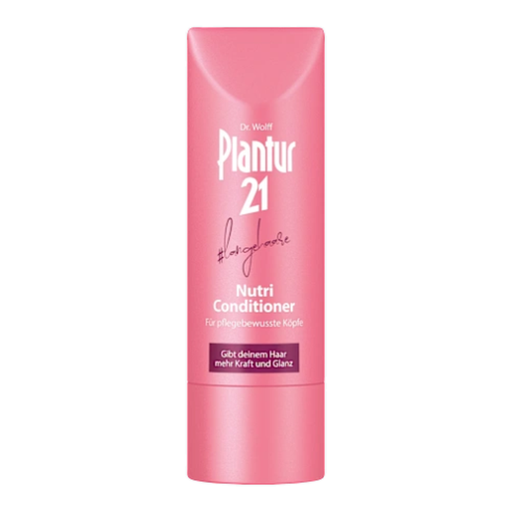
Why this product suits this profile: This leave-in cream is intended for fine, damaged or fragile lengths and ends. It fits routines that combine conditioning, easy combing and preparation for styling.
The application is clearly explained: apply a small amount to towel-dried hair, concentrating on the lengths and ends, and do not rinse out. The stated heat protection temperature is up to 230 °C.
150 ml content, leave-in format and stated heat protection up to 230 °C; the INCI list includes panthenol and amino acids, among other ingredients.
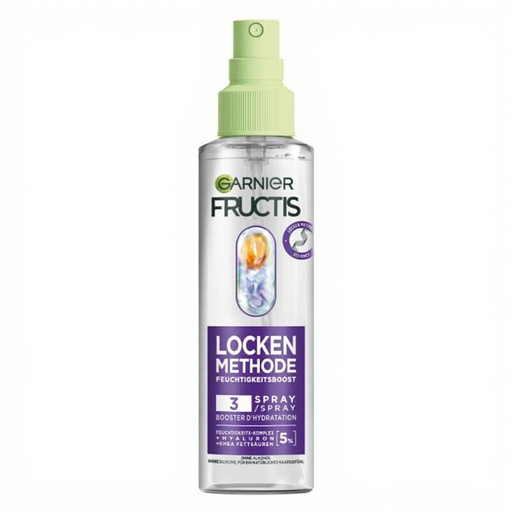
Why this product suits this profile: This spray is designed for curly hair and can be used on damp curls or on dry hair between washes. Scrunching and twisting it through the hair makes it easy to incorporate curl care into an existing routine.
The product description specifies its use for curls and application between washes. This means you do not automatically need to use a heavy oil for frizz control.
150 ml spray, stated to contain 5% hyaluronic acid and shea butter fatty acids; silicone-free formula suitable for use on damp or dry curly hair.
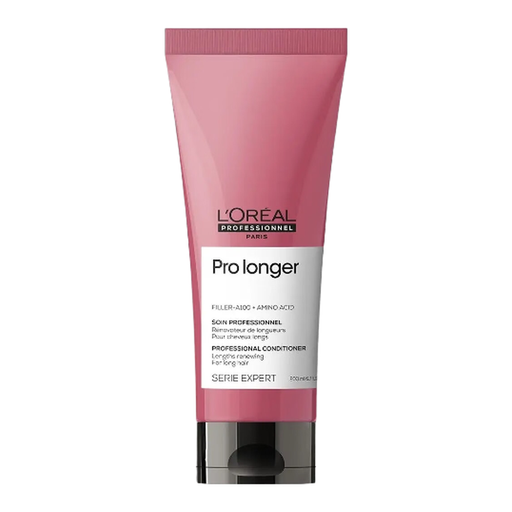
Why this product suits this profile: The formula is positioned for longer hair, where the mid-lengths and ends need particularly intensive care. Its creamy consistency helps detangle hair after washing.
The application is focused on the lengths and ends. This allows you to target your haircare precisely instead of unnecessarily weighing down the roots with a rich formula.
Conditioner designed for long hair, with a creamy texture and application after shampooing followed by rinsing.
We have put together a complete, regularly updated list of products that fully meet these strict selection criteria and the safety regulations applicable in the EU.
A simple routine for haircare for dry and damaged hair can consist of three stages:
Products containing fragrance ingredients should be checked particularly carefully if you have a known sensitivity. Batch number, shelf life and the Period After Opening symbol on the packaging are also important details for safe use.
A combination of a rinse-out conditioner and suitable leave-in care can improve combability and the feeling of softness. Richer textures are often suitable for thick or curly hair, while fine hair tends to benefit more from lightweight sprays or small amounts of serum.
This depends on your hair structure and the product. One to a few drops, or a small amount applied to the ends, is often enough. If you use the product daily, check whether your hair begins to feel heavy or greasy. Oil also does not replace a dedicated heat protectant unless this is expressly stated on the product.
No. Haircare products can make the surface of the lengths and ends appear smoother and reduce friction when combing. Hair ends that have already split cannot be permanently joined back together. In cases of pronounced split ends, a professional trim is the more reliable solution.