
Lieferung heute & morgen

Qualitätsgarantie

Willkommens-Angebote freischalten: KOSTENLOSE Lieferung | Bis zu 80 % RABATT | Kostenlose 30-Tage-JoyPlus-Testphase
App herunterladen
Dry, stressed, coloured or brittle hair does not automatically need as many products as possible. The problem is often caused by an unsuitable combination of shampoo, conditioner, hair mask and styling care. Shopping with a clear focus can help you avoid over-conditioning, weighed-down lengths and unnecessary expense.
Terms such as “Repair”, “Keratin” or “Bond-Building” sound precise, but on their own they say little about how a product should actually be used. What matters are the ingredients, application time, frequency of use and hair area the product is intended for. For example, a hair mask for the lengths should not automatically be applied to the scalp.
Claims such as “up to 20 times stronger” also need to be put into context. According to SYOSS, this wording refers to a comparison with untreated hair. It is not a universally applicable measurement for every hair type.
Oils, silicones, butters and highly conditioning ingredients can make dry lengths look smoother and feel easier to comb. However, on fine or quickly greasy hair, a very rich formula can leave it looking flat. For care for thin hair, lightweight serums, sparingly dosed leave-in products or products with a watery texture are often more practical.
Dry-looking ends need different care from a sensitive or dandruff-prone scalp. A scalp serum or hair growth tonic is applied directly to the scalp, while hair oil, conditioner and hair masks generally belong on the lengths and ends. Cosmetic scalp products are not a substitute for dermatological assessment in cases of sudden hair loss, inflammation or persistent itching.
For dry lengths, glycerine, squalane, plant oils, panthenol and moisture-binding ingredients may be particularly useful. For porous, coloured or brittle hair, hydrolysed proteins such as keratin, silk or wheat protein can complement your routine. If you are sensitive to fragrances, certain plant extracts or proteins, check the full INCI list on the packaging.
A keratin hair mask or intensive hair treatment does not necessarily need to be used every day. Depending on the formula, using it once or twice a week is usually sufficient. With some hair types, using protein or film-forming products too often can leave the hair feeling stiff or dry.
A good conditioner for dry hair is applied to wet lengths after shampooing and rinsed out thoroughly. A hair mask can be left on for longer, but should still be used according to the product instructions. With leave-in haircare, start with a small amount and only add more if needed.
Oils and serums should mainly be distributed through the ends. With fine hair, one or two drops are often enough. A product with heat protection is useful if you regularly blow-dry, straighten or curl your hair. However, this does not replace using the lowest possible temperature and keeping sufficient distance from the hair.
The price per 100 millilitres or per application is more informative than the price of the pack. Single portions such as 4 × 9 g are suitable for controlled weekly use and help prevent overdosage. With large jars, the lid should be closed after every use, and the product should not be removed with wet hands. The expiry date, batch number and specific ingredient list should be checked on the delivered packaging, as formulas and product information may change.
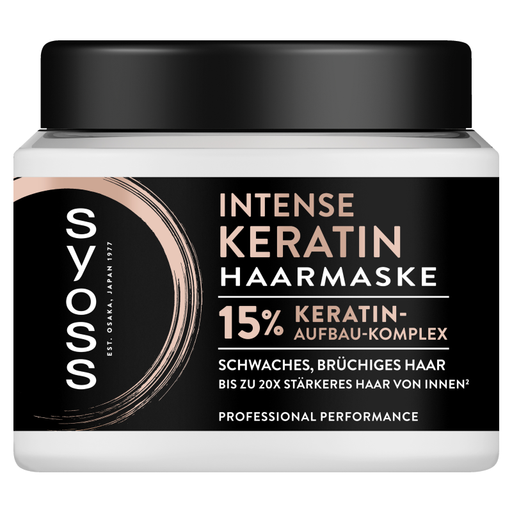
Why this product suits this profile: This 300 ml hair mask is designed for regular use at home and is left on the hair for two to three minutes after shampooing.
The dosage and application time are clearly stated. Using it once or twice a week limits the risk of unnecessary overuse of intensive care.
Hydrolysed keratin, glycerine and shea butter; according to the manufacturer, with a 15% keratin-building complex.
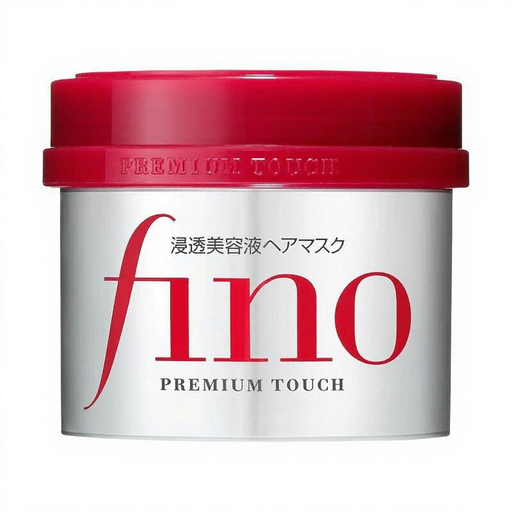
Why this product suits this profile: This Japanese haircare product is designed for dry, damaged or chemically treated lengths and is used once or twice a week.
Application focuses on the mid-lengths and ends. This prevents the scalp from being unnecessarily weighed down by a rich mask.
With squalane, trehalose, hydrolysed wheat protein and royal jelly extract, according to the product information.
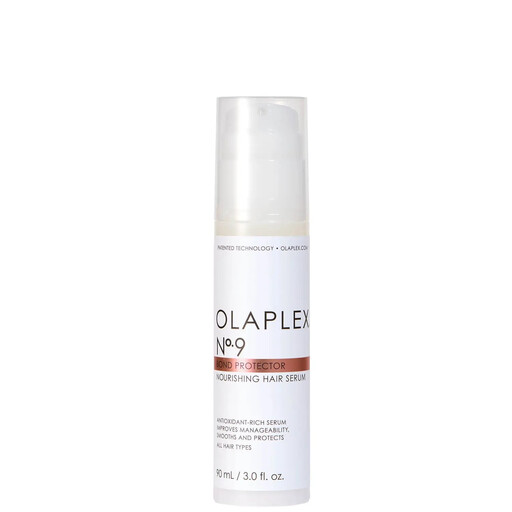
Why this product suits this profile: This leave-in hair serum is applied to damp hair in small amounts and is suitable for routines that involve regular styling.
The water-based texture is not rinsed out and can be applied sparingly. This makes it easy to adjust the care to fine or thicker hair.
Contains panthenol, sodium hyaluronate and algae extracts according to the product information; the formula is silicone-free.
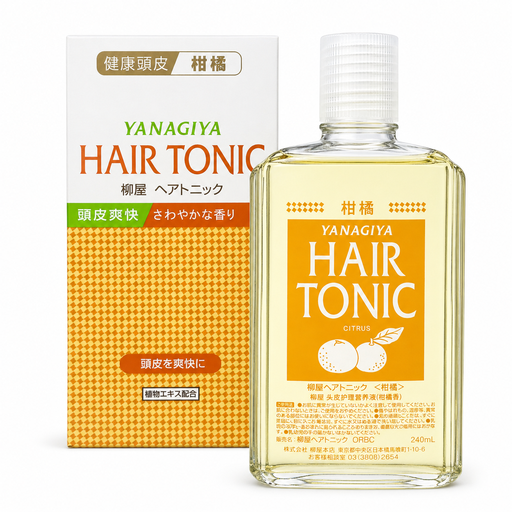
Why this product suits this profile: This Japanese tonic is designed for daily use on the scalp and, according to the product description, leaves a cooling sensation.
It is applied directly to the scalp rather than to the ends of the hair. Menthol can have a strong cooling effect on sensitive skin, so a patch test is advisable.
240 ml contents; with Dipotassium Glycyrrhizate, Tocopheryl Acetate, Menthol and botanical extracts according to the INCI information.
We have put together a complete, regularly updated list of products that fully meet these strict selection criteria and the safety regulations applicable in the EU.
A simple order makes it easier to get the dosage right:
For curly or frizzy hair, Japanese haircare and Korean haircare may offer different textures. However, what matters is not the country of origin, but the formula, dosage and how well you tolerate it.
For dry or damaged hair, using a mask once or twice a week is a sensible starting point. Fine hair often needs a shorter application time and a smaller amount. If your hair feels heavy or greasy, reduce the frequency.
A conditioner, a lightweight leave-in product and a small amount of hair oil can improve the manageability and appearance of the lengths. Hair oil for frizz cannot, however, seal permanently split ends. Regular trims, gentle drying and heat protection remain important parts of your haircare routine.
Cosmetic scalp serums and hair growth tonics are designed to care for the scalp and support a well-groomed appearance. They are not medicines for treating hair-loss conditions. If you experience sudden, severe, patchy or persistent hair loss, you should seek a dermatological examination.