
Lieferung heute & morgen

Qualitätsgarantie

Willkommens-Angebote freischalten: KOSTENLOSE Lieferung | Bis zu 80 % RABATT | Kostenlose 30-Tage-JoyPlus-Testphase
App herunterladen
Choosing the right haircare shampoo can be a challenge given the overwhelming array of products and marketing claims. Many formulas promise instant results, but not all deliver on their promises or are suitable for the specific needs of your scalp and hair. This guide will help you understand the crucial factors and avoid common purchasing mistakes, enabling you to make an informed decision.
Before diving into ingredients, it's important to recognise common marketing traps that often lead to unsuitable purchases.
To find the right shampoo, focus on two fundamental aspects: the needs of your scalp and the specific requirements of your hair lengths.
The most important rule is: choose your shampoo primarily based on the needs of your scalp, and your conditioner based on the condition of your hair lengths.
Understanding the main ingredients helps to objectively evaluate a product's performance.
Here are some recommendations tailored to different needs and user profiles.
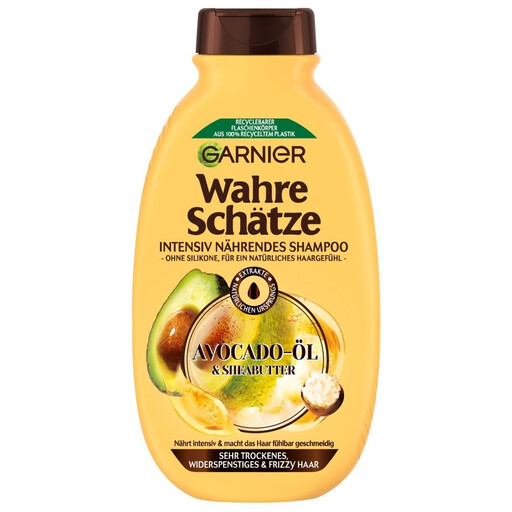
Why it's a match: This formula is ideal for those seeking an effective and affordable solution for dry hair. It combines avocado oil and shea butter to provide intense moisture without weighing the hair down.
The product doesn't promise a universal solution but clearly focuses on moisturising and nourishing dry hair. Its silicone-free formula also avoids a purely cosmetic effect caused by heavy build-up.
Provides nourishing care that detangles and hydrates the hair, leaving it feeling light and naturally shiny.
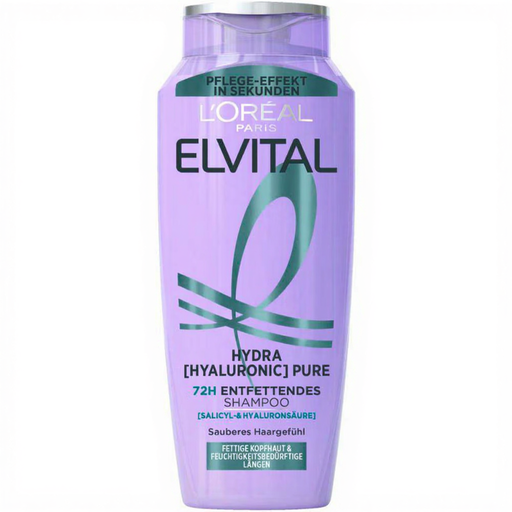
Why it's a match: It was specifically developed for the common problem of an oily scalp combined with dehydrated ends. The formula aims to balance both needs.
This shampoo debunks the "all-in-one" myth by targeting two opposing problems with two specific active ingredients: salicylic acid for the scalp and hyaluronic acid for the lengths.
Effectively cleanses the scalp of excess sebum while simultaneously providing moisture, leaving hair feeling balanced and refreshed.
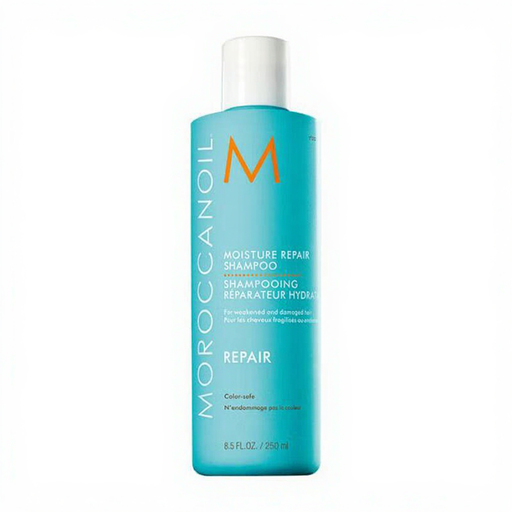
Why it's a match: For users who are willing to invest in the health of their hair, which has been damaged by colouring or heat styling. The formula is designed to repair and strengthen the hair structure.
Instead of just creating a superficial shine, this shampoo targets sustainable repair with ingredients like keratin and proteins. It focuses on long-term hair health rather than a short-term cosmetic effect.
The sulfate-, paraben-, and phosphate-free formula gently cleanses and is enriched with argan oil and keratin to repair and fortify weakened hair.
We have compiled a complete, up-to-date list of products that fully meet these strict selection criteria and UK safety regulations.
The ideal frequency for washing your hair depends on your scalp type, not a fixed rule. For an oily scalp, daily washing may be beneficial to remove excess sebum. For a dry or normal scalp, washing two to three times a week is often sufficient to avoid disrupting the natural protective barrier.
Not necessarily. There are different types of silicones. Non-soluble silicones can accumulate on the hair ("build-up") and weigh it down. In contrast, water-soluble or volatile silicones wash out easily and can protect hair from heat and reduce frizz without causing heaviness. The decision for or against a silicone-free shampoo should depend on your individual hair type and desired results.
Haircare shampoos are cosmetic products, not medical treatments for hair loss, which often has hormonal or genetic causes. However, a good shampoo can improve scalp health by cleansing, nourishing, and reducing irritation. A healthy scalp is the foundation for strong hair growth and can help minimise hair breakage, which is often mistaken for hair loss. For persistent hair loss, a doctor should be consulted.