
Lieferung heute & morgen

Qualitätsgarantie

Willkommens-Angebote freischalten: KOSTENLOSE Lieferung | Bis zu 80 % RABATT | Kostenlose 30-Tage-JoyPlus-Testphase
App herunterladen
Dry, damaged, coloured or frizzy hair all have different needs. A shampoo for dry, damaged hair isn’t necessarily suitable for fine hair. Hair oil can smooth your lengths, but too much can weigh them down. And a hair styler that reaches high temperatures won’t suit every hair type.
As a Joybuy Product Recommendation Officer, I assess product details against practical selection criteria and match them to different needs. This helps you avoid common buying mistakes without relying solely on marketing claims.
A moisturising shampoo can help care for dry lengths, but it won’t automatically replace conditioner or a hair mask. For coloured hair, colour protection, a suitable pH and careful use of heat also matter. So if you’re choosing based on words such as “Repair”, “Gloss” or “Hydration”, check the ingredients list and recommended hair type too.
When choosing a hot air brush or another hair styler, wattage alone isn’t a measure of quality. Temperature settings, airflow, attachments, automatic shut-off and suitability for dry or towel-dried hair matter more. A device with just one very hot setting is less flexible for fine or damaged hair.
Heat protection for hair can be part of your styling routine, but it won’t prevent all heat damage. Follow the instructions on the product label, choose a suitable temperature, detangle your hair fully and use your straighteners or curling styler as few times as possible. For electrical devices, also check the mains voltage, plug, automatic shut-off and safety warnings.
Several temperature or power settings are useful. Fine, bleached or damaged hair generally needs a more careful setting than thick, strong hair. Use curling stylers and straighteners on completely dry hair unless the instructions explicitly allow use on wet hair.
Hot air brushes vary considerably in what they do. Some dry and style your hair at the same time, while others are designed for dry hair only. One example is the Wavytalk Thermal Brush, with a 38-mm barrel, five temperature settings and an EU plug listed in the product details. The description specifically states that it is not a hairdryer hot air brush.
For electrical devices in Germany, 220–240 volts, a suitable plug, clear instructions and safety features are all worth checking. An automatic shut-off, overheat protection and a swivel cord can make everyday use easier. The CE mark should be on the device or its packaging, but it isn’t an independent quality mark.
For cosmetics, check the INCI list, fill volume, shelf life or period-after-opening symbol, and any warnings. Fragrances such as Limonene, Linalool or Citronellol may be relevant if you have sensitive skin. Stop using the product if you experience redness, itching or a burning sensation.
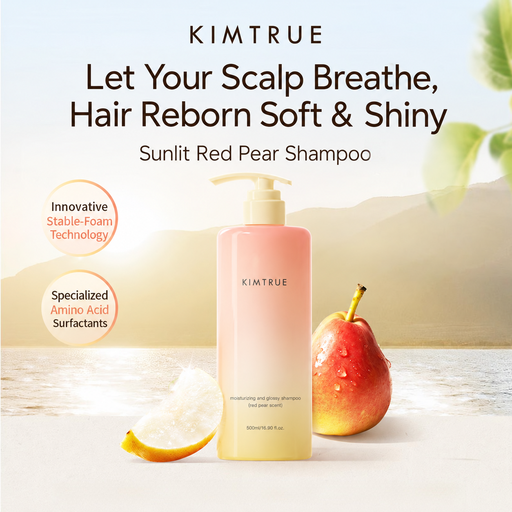
Why this product suits this profile: The 500 ml size is a good option if you’re looking for a moisturising shampoo that leaves your hair with a glossy finish, and want to start with a simple routine rather than a full styling regime.
Choosing by product type and fill volume helps you avoid buying a styling product when all you need to begin with is a simple cleansing and conditioning routine.
The 500 ml size and clear focus on moisture and shine make it a good fit for a straightforward basic routine.
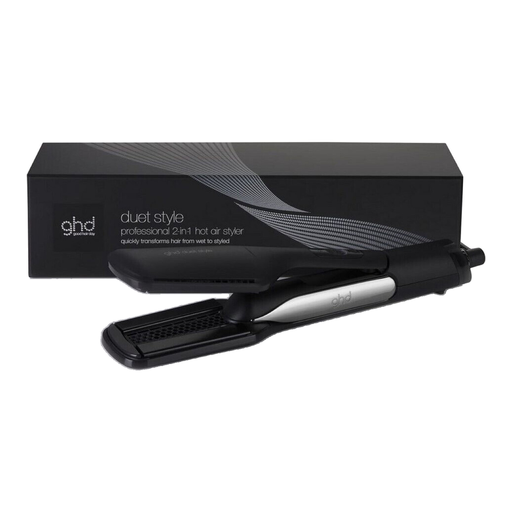
Why this product suits this profile: This device combines drying and straightening in one tool. It also has a Shine Shot mode that reaches 185 °C for use on dry hair.
Clearly distinguishing the wet-to-style function from the 185 °C mode helps prevent confusion about how each one should be used.
Four coated, floating plates, a 2.7-m cable, sleep mode after 30 minutes and a stated two-year manufacturer’s warranty.
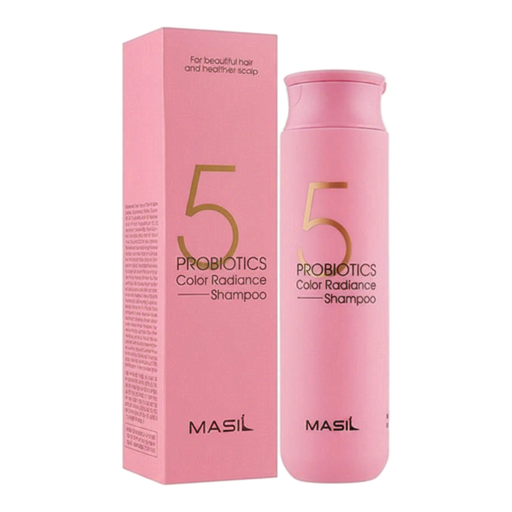
Why this product suits this profile: The product description says this shampoo is designed for coloured, bleached and chemically treated hair. It also specifies a mildly acidic formula with a pH of 5.0–6.0.
The target hair types and stated pH range are clearly specified. That makes it easier to choose a product for coloured hair, rather than relying on the general claim of “care”.
The description lists Lactobacillus ferment and Panthenol, and says the shampoo is suitable for coloured or bleached hair.
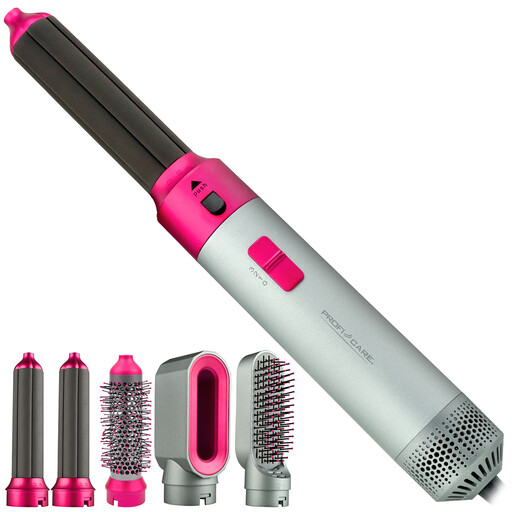
Why this product suits this profile: Five interchangeable attachments let you dry your hair, add volume, create sleek styles and make curls using left- or right-rotating attachments.
Three power and temperature settings, along with overheat protection, are more useful details than a vague promise of “salon results”.
1000 W, a 360° swivel cord, five attachments and a storage organiser.
We’ve put together a complete, regularly updated list of products that meet these strict selection criteria and the safety requirements in force in the EU.
Look for a haircare range with moisturising and smoothing ingredients. If your hair is coloured or bleached, a shampoo for coloured hair may be a better choice than a general shine shampoo. Your hair type, scalp and overall haircare routine all matter.
Their lifespan depends on their construction, care, frequency of use and storage. Check the cord, switches, heating surfaces and air filters regularly. Stop using the device if it develops an unusual smell, has a damaged cord or overheats.
You can estimate electricity consumption using this formula: Power in kilowatts × usage time in hours × price per kilowatt-hour. A 1,000 W device running for ten minutes uses about 0.167 kWh. The actual cost depends on your tariff and how long you use it.