Styling your fringe precisely
If you blow-dry individual sections of your fringe, a styling nozzle and a brush can help direct the airflow more precisely, rather than blowing air over the rest of your hair unnecessarily.


For precise fringe styling, a suitable styling nozzle and separate heat and speed settings are what matter most. A lower heat setting is particularly useful if you restyle your fringe often or have delicate hair. At your dressing table, also check the cable length, how easy the dryer is to handle and where the socket is positioned. A high wattage or lots of attachments alone don’t prove that the airflow is better or that the dryer is right for your fringe.
If you blow-dry individual sections of your fringe, a styling nozzle and a brush can help direct the airflow more precisely, rather than blowing air over the rest of your hair unnecessarily.
Adjustable heat and speed settings give you options if you regularly style your fringe and want to tailor the way you use the dryer to your hair and the situation.
Check that the grip, weight and cable length suit your space and the position of the socket.
First, check that the right styling nozzle is actually included. Then compare the settings and make sure the cable and weight will work for you at your dressing table.
| What you need | What to check before buying | Who is this important to? |
|---|---|---|
| Directed airflow | The shape of the styling nozzle and whether it is included, as well as the available speed settings. | If I shape individual sections of my fringe with a brush, I want to be able to direct the airflow precisely. Around 36% of consumers prioritise precise fringe control. |
| Adjustable heat | Heat and speed settings, whether they can be controlled separately, and whether there is a cool setting. | If I regularly restyle my fringe, I want to be able to adjust the heat and airflow to suit. Around 29% of consumers prioritise adjustable heat. |
| Easy to handle at the dressing table | The dryer's weight, cable length, socket position and somewhere to put it after switching it off. | At my dressing table, I want to position the dryer, cable and brush so I can use the dryer comfortably. Around 21% of consumers prioritise ease of use at the dressing table. |
| Practical attachments and features | Which attachments and settings you will actually use, rather than comparing wattage or the number of attachments alone. | If I only blow-dry my fringe, I don’t want to choose a large set of attachments when I’m unlikely to use the extras. Around 14% of consumers prioritise practical features. |
When styling individual sections of your fringe, what matters is whether the right styling nozzle is included with the specific model.
Check that the attachments include the nozzle you want before treating extra accessories as a reason to buy.
Weight and cable length vary between models and can affect how easy the dryer is to use at your dressing table.
Check where your socket is and compare the stated dimensions, weight and cable length of each dryer.
For the model covered in its instructions, Philips says to switch the dryer off, unplug it and let it cool before cleaning.
Follow the cleaning and safety instructions for the hairdryer you actually buy.
The HC 40 and HC 70 models offer different combinations of styling nozzles, settings and handling features.
The 5000 Series BHD530/20 focuses on a styling nozzle and a choice of heat and speed settings that can be combined.
The PROluxe AC9140 may also suit buyers who want to use other attachments in addition to styling their fringe.
The SpeedStyle HD333EU may interest buyers who want to use other styling attachments as well as styling their fringe.
This selection includes hairdryers with adjustable heat or features for directing airflow when styling your fringe. Before buying, check the product details to see what is included and whether the cable and settings will work for you at your dressing table.
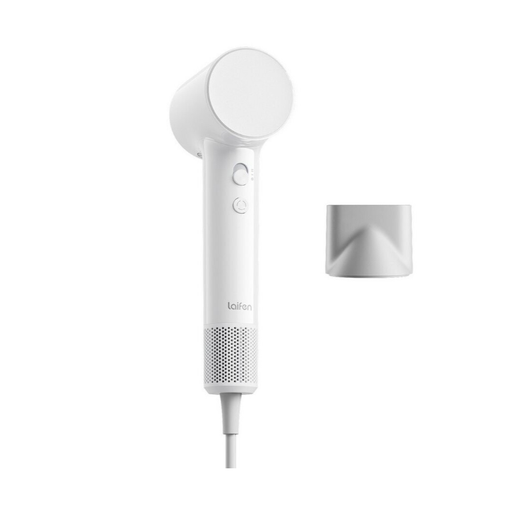 No product image available
Adjustable heat and speed settings may be useful for tailoring how you style your fringe.
1400 W; three temperature settings, two speed settings and a cool-air button.
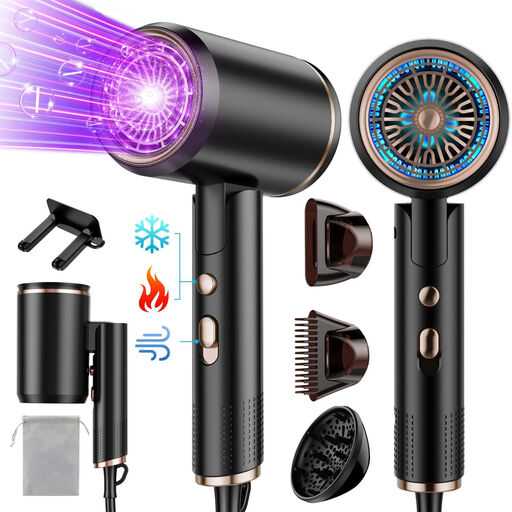 No product image available
The listed temperature and speed settings give you options for styling individual sections of hair.
Three styling nozzles; six temperature settings and three speed settings; foldable.
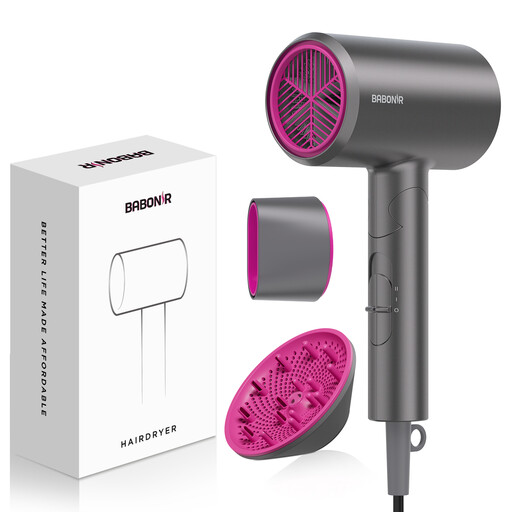 No product image available
The concentrator and adjustable settings may be useful for directing airflow and tailoring your styling.
1800 W; concentrator and diffuser; three temperature settings and two speed settings; foldable handle; stated appliance weight: 330 g.
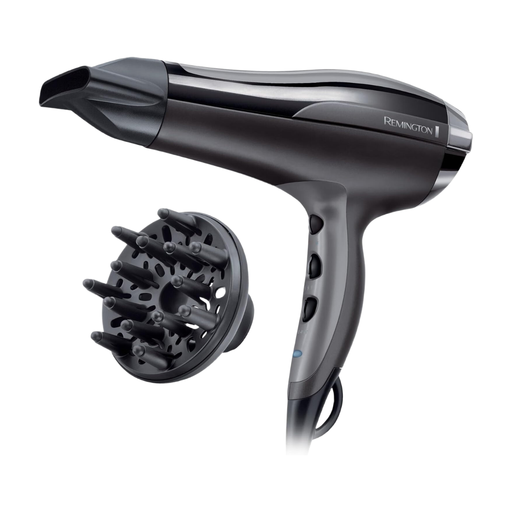 No product image available
A styling nozzle and separately listed heat and speed settings are useful for precise, adjustable blow-drying.
2400 W; three heat settings, two speed settings and a cool shot; styling concentrator and diffuser; cable length: 1.8 m; stated appliance weight: 700 g.
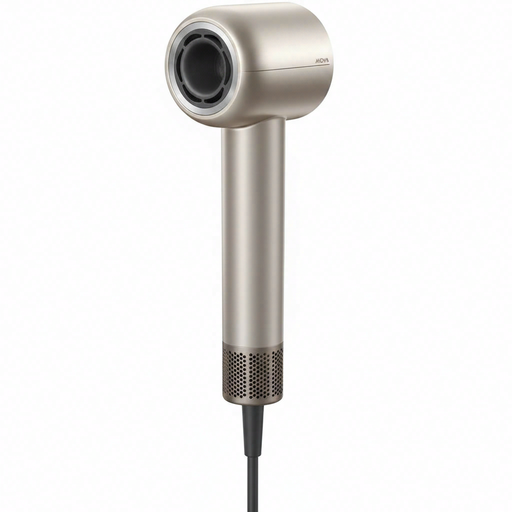 No product image available
The included concentrator may appeal to buyers who want to direct the airflow precisely while styling.
1800 W; seven modes and temperature control; concentrator, diffuser and children's attachment; stated appliance weight: 430 g.
No. Wattage alone doesn’t tell you how precisely you can dry a small section of hair. First, check the styling nozzle and the adjustable heat and speed settings; manufacturers list these features separately for specific models.
For the Philips BHD628/00, Philips recommends switching off the appliance, unplugging it and letting it cool before cleaning. Philips says dust on the grilles can be removed with a vacuum cleaner or cotton bud. For other models, follow the instructions supplied with the appliance.
For faulty goods, the German government explains that consumers have a two-year statutory warranty against the retailer. This is separate from any additional manufacturer’s guarantee; check the terms of the specific offer for details.
If a new hairdryer is classed as electrical equipment with a rated voltage of 50 to 1,000 V AC and falls under the 1. ProdSV, the manufacturer must apply the CE mark after completing the prescribed conformity assessment procedure. When the product is imported, German operating instructions and German safety information are also required. These requirements are set out in §§ 1, 7 and 10 of the 1. ProdSV; the relevant sources are the Federal Ministry of Justice and the Federal Office of Justice. A CE mark alone is not independent confirmation that a particular product on offer is actually safe.