
Lieferung heute & morgen

Qualitätsgarantie

Willkommens-Angebote freischalten: KOSTENLOSE Lieferung | Bis zu 80 % RABATT | Kostenlose 30-Tage-JoyPlus-Testphase
App herunterladen
Dry, brittle or colour-treated hair doesn’t automatically need the same care. A rich hair mask can improve manageability and leave the hair’s surface feeling smoother. However, it can’t permanently mend split ends or biologically repair damaged hair fibres. That’s why it’s important to look at product claims realistically and choose a mask to suit your hair’s condition, your routine and the ingredients.
Terms such as “Repair”, “Reconstruction” or “up to 20 times stronger” often describe a product feature or a comparison with untreated hair fibres. For example, according to the manufacturer, the “up to 20 times stronger” claim for SYOSS Keratin Hair Care Treatment refers to a comparison with untreated hair. It isn’t universal proof that the product will have the same effect on everyone or every hair type.
A hair mask for breakage can smooth the hair’s surface and make it easier to comb. This may reduce mechanical stress when brushing. To keep your expectations realistic, distinguish between a cosmetic improvement to the hair’s surface and actual, permanent hair repair.
Fine hair can quickly feel weighed down by very rich oils, waxes or ingredients that form a heavy coating. Thick, curly or highly porous hair, on the other hand, often needs more conditioning and moisture. For colour-treated hair, a mask specifically labelled for colour care may be a better choice than any intensive hair treatment.
A 15 ml portion is handy for travel or trying a product, but it’s not comparable to a 400 ml supply. Leave-in times also vary considerably: some products are designed to be left on for one to three minutes, while others need five to ten minutes. Leaving a mask on for longer won’t automatically give you better results. Always follow the instructions on the product packaging.
A hair mask for dry hair typically contains humectants such as glycerin, along with nourishing oils and butters. A hair mask for damaged hair or stressed lengths often contains proteins, amino acids or keratin derivatives. These can coat the hair’s surface and temporarily make it feel stronger.
A keratin hair mask isn’t automatically suitable for every hair type. Very fine hair or hair that is sensitive to protein can feel dry or stiff if you use a mask too often. Check the recommended frequency of use and, if needed, alternate between moisturising and strengthening treatments.
Read the INCI list, especially if you’re sensitive to fragrance, alcohol or certain preservatives. Several products contain fragrance ingredients such as Limonene, Linalool or Parfum. The Kao Essential Premium Leave-In Moisturising Hair Treatment also explicitly mentions alcohol and fragrance in its product description.
If your scalp is irritated, don’t apply a hair mask to it unless the product specifically says to do so. Usually, apply the product to the mid-lengths and ends. If it gets into your eyes or onto your skin, follow the manufacturer’s safety instructions. Stop using it if irritation occurs.
After washing your hair, gently squeeze out excess water. Hair that’s too wet can dilute the product and make it harder to spread evenly. Start with a small amount, focusing on dry or stressed areas.
Options to suit different routines include:
The selection below groups products by specific use. Where effects and comparisons are mentioned, the details come from the relevant brand’s product description.
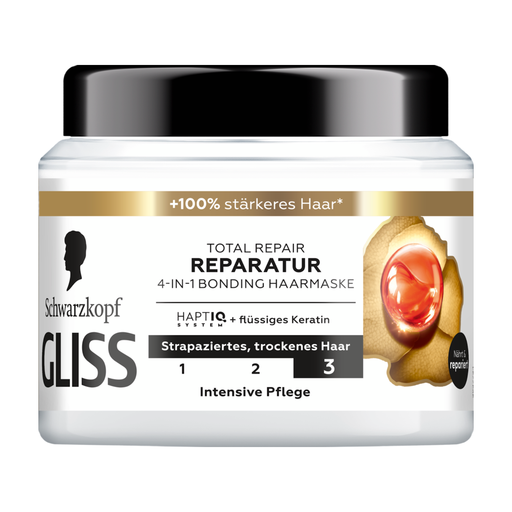
Why this product suits this profile: The 400 ml pack and 4-in-1 formula offer a flexible routine: use it before shampooing, as a conditioner or hair mask, or as a leave-in treatment.
The different ways to use it and the recommended leave-in time of two to three minutes are clearly explained, making it easy to work into your everyday routine.
400 ml pack, keratin in the INCI list and flexible use.
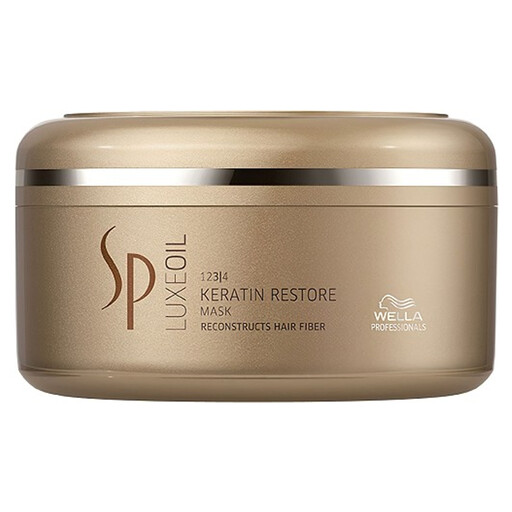
Why this product suits this profile: According to the ingredients list, the formula combines keratin and panthenol with argan, jojoba and almond oils, making it a good choice for lengths in need of extra care.
The specific leave-in time of five to ten minutes makes it clear that this is a more intensive treatment, rather than a quick fix.
150 ml pack, keratin and several plant oils, according to the INCI list.
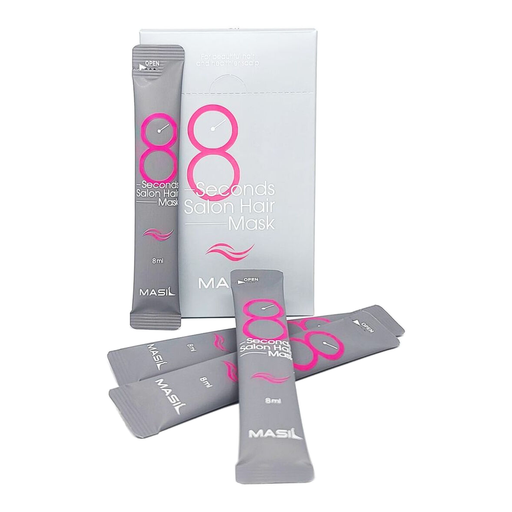
Why this product suits this profile: The 20 individual portions are designed for your gym bag or travels, and make it easy to use the same amount each time.
Single-use portions make it less likely that you’ll use too much from a large tub or find the product awkward to store when you’re out and about.
20 portions of 8 ml each and a stated leave-in time of eight seconds.
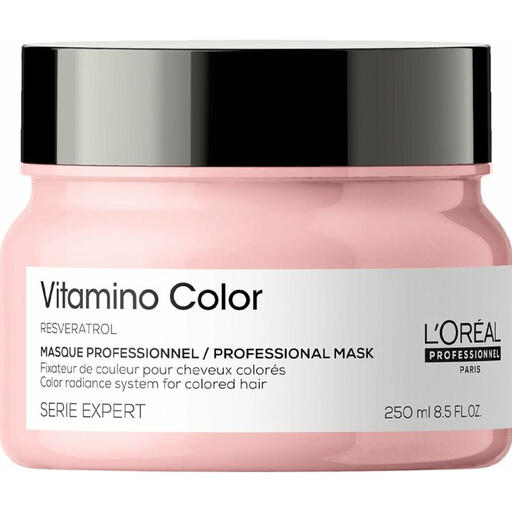
Why this product suits this profile: The product description recommends weekly use for colour-treated hair and lists vitamin E and antioxidants as part of the care formula.
It’s clearly labelled for colour-treated hair, and the recommended leave-in time of three to five minutes is specified.
We’ve put together a complete, regularly updated list of products that meet these strict selection criteria and fully comply with the safety regulations in force in the EU.
A hair mask for shiny, smooth hair complements your shampoo and conditioner, but won’t necessarily replace every other hair care product. If you experience severe breakage, sudden changes in hair growth or persistent problems, seek advice from a dermatologist.
It depends on the formula and the condition of your hair. Many products are intended for use once or twice a week, while some brands recommend two or three times a week. Start by using a mask less often if you have fine hair. Very dry or chemically treated hair, on the other hand, may benefit from regular intensive care.
Depending on the product, the recommended leave-in time ranges from a few seconds to ten minutes. Leaving a mask on for longer isn’t necessarily better. Follow the product instructions and rinse it out thoroughly, unless it’s specifically designed as a leave-in product.
A hair mask can smooth the hair’s surface, improve manageability and temporarily leave hair feeling softer. This may reduce mechanical stress when detangling. Split ends and permanently damaged hair fibres can’t be permanently restored with cosmetic products. Regular trims and gentle handling of wet hair therefore remain important parts of your hair care routine.