
Lieferung heute & morgen

Qualitätsgarantie

Willkommens-Angebote freischalten: KOSTENLOSE Lieferung | Bis zu 80 % RABATT | Kostenlose 30-Tage-JoyPlus-Testphase
App herunterladen
Finding confectionery that meets specific dietary requirements can be a challenge. For traditional European pastries like Baumkuchen, it is often unclear whether the ingredients and production methods are halal-compliant. This article serves as a guide for anyone looking to buyHalal Baumkuchen or an authentic Japanese Baumkuchen. We will introduce a selection of products and provide practical tips to help you make an informed decision the next time you order Halal cake online.
To ensure a product meets your requirements, there are a few key points to consider. Here are three essential criteria to guide your selection.
The most important feature is an official halal seal from a recognised certification body. Ingredients such as certain emulsifiers, alcohol-based flavourings, or fats of animal origin can make a product non-halal. A seal, such as that from the Japan Islamic Trust (JIT), indicates that both the ingredients and the manufacturing process have been audited by an authorised body. Look for this label on the packaging or in the product description.
A close look at the ingredient list is always advisable. For Baumkuchen, emulsifiers (e.g., E471), fats (like lard or unspecified margarine), and flavourings are of particular concern. Products explicitly declared as halal typically use plant-based alternatives or certified ingredients. A soft Baumkuchen often owes its texture to special ingredients whose origin is crucial for halal compliance.
Although Baumkuchen has German roots, it has become an extremely popular sweet in Japan. The Japanese Baumkuchen often differs in its texture: it tends to be softer, moister, and less sweet than many of its German counterparts. Brands like Taiyo Baumkuchen are known for this distinctive, moist consistency. If you prefer an exceptionally soft cake, the Japanese version might be the right choice for you. Many of these products are also available as an individually wrapped cake, which preserves freshness and makes them perfect for on-the-go.
Here is a selection of products compiled based on their features and specifications.
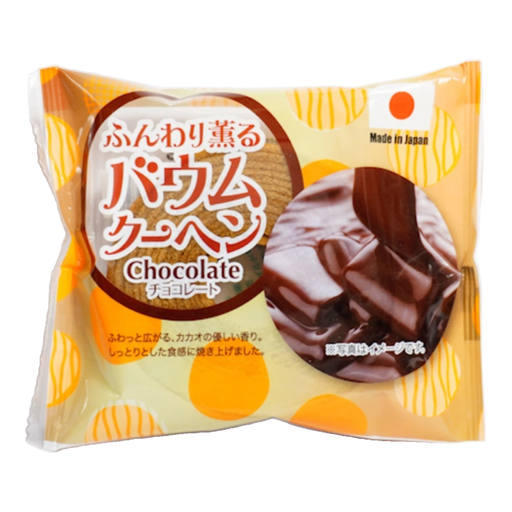
What makes it special: This Baumkuchen chocolate cake from Taiyo Shokuhin is made in Japan and is explicitly halal-certified by the Japan Islamic Trust (JIT). The low-temperature baking process, which prevents browning, gives it an exceptionally soft and moist texture. The flavour is defined by the use of semi-sweet chocolate cocoa powder, lending it a rich cocoa aroma.
Pros:
Who it's for: This product is ideal for consumers specifically seeking a halal-certified cake who also appreciate the taste of chocolate. It is also suitable for fans of Japanese confectionery who want to try an authentic, soft Baumkuchen variety.
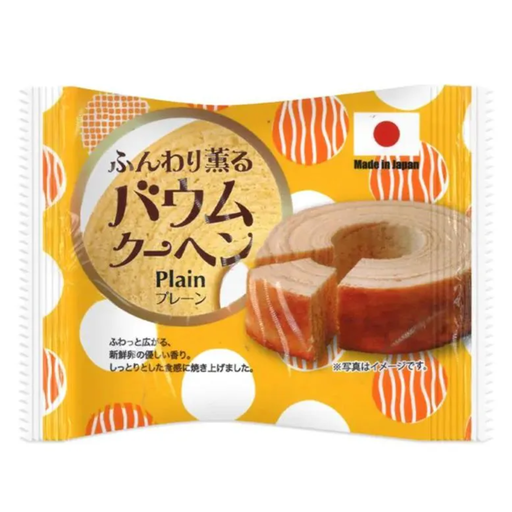
What makes it special: The original version of the Taiyo Baumkuchen offers the classic, subtle flavour. This variety is also halal-certified by the Japan Islamic Trust (JIT) and is distinguished by its characteristic, very soft and moist texture. The ingredient list includes chicken eggs, wheat flour, and a blend of vegetable oils.
Pros:
individually wrapped cake, it's convenient for on-the-go or as a single serving.Japanese Baumkuchen with a fluffy consistency.Who it's for: Perfect for purists who want to experience the pure taste and special texture of a Japanese Baumkuchen without added flavours. Its certification makes it a safe choice for Muslims looking for Halal sweets.
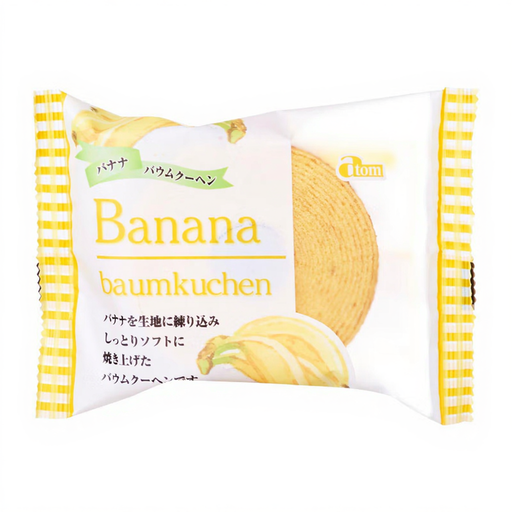
What makes it special: This Baumkuchen from the Atom brand offers a fruity taste experience with real banana purée. It is also made in Japan and has the typically soft, fluffy texture. Please note that this product has no explicit halal certification on its packaging or in the manufacturer's information.
Pros:
Who it's for: This product is aimed at lovers of fruity cakes and anyone curious about the variety of Japanese confectionery. It is an option for buyers for whom halal certification is not a requirement but who are still looking for a high-quality Japanese Baumkuchen.
The world of Japanese confectionery is diverse and offers much more than just Baumkuchen. If you want to discover other authentic treats, from mochi to special types of biscuits, you can find a wider selection in our category.
? Discover more Japanese snacks here
1. Is Baumkuchen inherently Halal? No, Baumkuchen is not inherently halal. Traditional recipes may contain ingredients like alcohol (e.g., rum or liqueur for flavouring) or non-halal fats and emulsifiers. Therefore, for a halal-compliant diet, it is essential to choose products with official certification or to check the ingredient list carefully.
2. Where can I buy certified Halal Baumkuchen? Certified Halal Baumkuchen is most likely to be found in specialised online shops for international foods or Japanese Halal sweets. Platforms that import products directly from Japan, like the options presented above, are a good place to start when looking to buy Baumkuchen that meets these requirements.
3. What is the main difference between German and Japanese Baumkuchen? The main difference usually lies in the texture and sweetness. While German Baumkuchen often has a firmer consistency and a pronounced sweetness, Japanese Baumkuchen (sometimes called Yubari King) is typically much softer, moister, and more subtle in flavour. It is often described as a soft Baumkuchen that melts in your mouth.