
Lieferung heute & morgen

Qualitätsgarantie

Willkommens-Angebote freischalten: KOSTENLOSE Lieferung | Bis zu 80 % RABATT | Kostenlose 30-Tage-JoyPlus-Testphase
App herunterladen
Finding Halal sweets that not only comply with religious guidelines but also taste great can be a challenge. Interest in Asian Halal sweets is growing, but the selection and transparency of ingredients can often be confusing. This article serves as a guide for consumers. It highlights key purchasing criteria and presents a selection of Halal-certified confectionery to help make your decision easier.
To ensure a product meets Halal requirements, there are several points to consider. The following tips will help you make an informed choice.
The most important feature is an official Halal certificate from a recognised certification body. This seal on the packaging confirms that the product and its manufacturing process have been audited by an independent authority. It guarantees that no impermissible ingredients, such as pork or alcohol, are present and that no cross-contamination has occurred. Products marketed simply as sweets without pork gelatine are not necessarily Halal, as other components like certain alcohol-based flavourings or colourings (e.g., carmine/E 120) can be problematic.
A close look at the ingredient list is essential. Watch out for critical ingredients that are often of animal origin:
The market for Halal products is growing, and more and more manufacturers, especially from Asia, are having their products certified. Interest in Japanese Halal sweets is steadily increasing. Brands that specialise in this market often offer greater assurance and transparency regarding their production processes and ingredients. If you are specifically looking to buy Halal snacks, specialised online shops or products from brands with explicit Halal labelling are a reliable source.
Here is a selection of Halal-certified confectionery distinguished by their unique qualities and clear labelling.
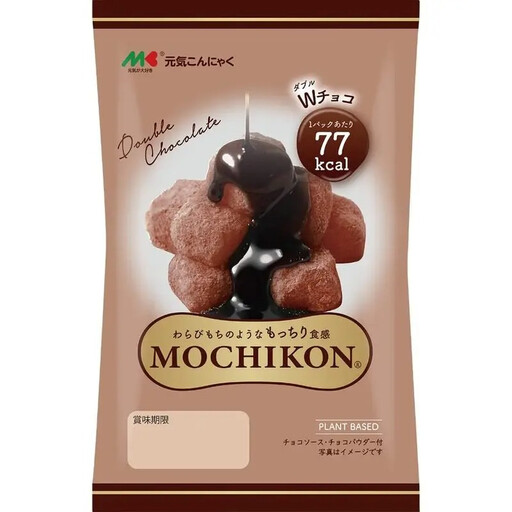
What Makes It Special This Japanese confection offers a unique, chewy texture reminiscent of mochi. It is made from konjac powder and is a low-fat alternative to traditional sweets. The double chocolate flavour comes from rich cocoa powder.
Benefits
Who It's For This product is ideal for lovers of Japanese confectionery who are looking for a calorie-conscious and Halal-compliant snack option. The mochi-like texture provides a unique taste experience.

What Makes It Special This is the Halal version of the famous Korean biscuit sticks from LOTTE. Crispy sticks are covered in a white coating and fine almond pieces. The combination of biscuit, sweet glaze, and nutty flavours makes them a popular snack.
Benefits
Who It's For Perfect for fans of crunchy biscuits and chocolate sticks who are looking for a Halal-compliant version of an internationally popular Asian snack.
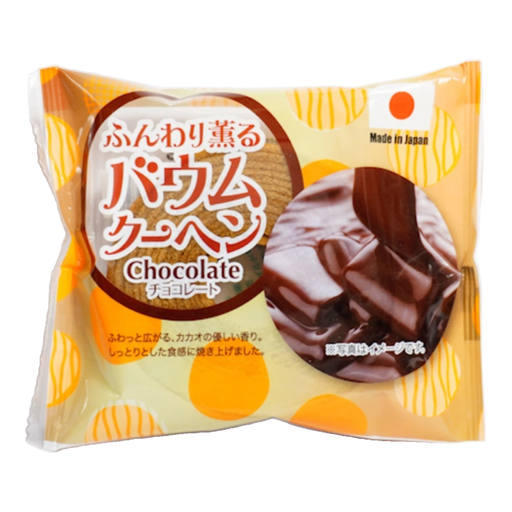
What Makes It Special A Japanese-style Baumkuchen with chocolate flavour, Halal-certified by the Japan Islamic Trust (JIT), a recognised organisation. The cake is baked at a low temperature, which, according to the manufacturer, gives it an exceptionally moist and soft texture.
Benefits
Who It's For For lovers of cake who want to try a high-quality, Halal-certified option from Japan. The individual packaging makes it a convenient companion.
Didn't find the sweet you were looking for, or are you specifically searching for chocolate options? In our halal chocolate category, you'll find an extended selection of certified products. Browse our range and discover more opportunities for conscious indulgence.
1. Are all sweets without pork gelatine automatically Halal? No. Even if pork gelatine is avoided, other ingredients such as alcohol in flavourings, animal fats in emulsifiers (e.g., E471), or the colouring carmine (E 120) can make a product non-Halal. Potential cross-contamination with non-Halal products during manufacturing is also a factor. Only an official Halal certificate provides complete assurance.
2. Where can I safely buy Halal snacks? The safest option is to buy from specialised online shops or stores that offer clear labelling and transparent product information. Always look for the Halal seal on the packaging or in the product description. Platforms that provide detailed ingredient lists and certificate information make the selection process easier.
3. Are there many Japanese sweets that are Halal? The availability of Halal-certified Japanese sweets is increasing. More and more Japanese manufacturers are recognising the growing global demand and are getting their products certified to enter markets like Europe. Products such as mochi, Baumkuchen, or certain types of biscuits are increasingly available in Halal versions.