For a Halloween party, choose snack bars based on each guest’s needs first. Anyone who needs to eat gluten-free should look for the relevant label on the specific pack; for allergies, check the ingredients and precautionary allergen information. A vegan bar may also be gluten-free, but could still contain nuts, sesame or other relevant allergens. Serve different varieties separately and keep their packaging.
Who is this selection for?
Hosts with guests who eat gluten-free
If a guest needs to eat gluten-free, check the label on the pack you’re actually serving. The German Coeliac Society points out that products with the same name from other countries are not automatically suitable too.
Hosts catering for specific allergen exclusions
If guests need to avoid nuts, peanuts, milk, soya, sesame or other named allergens, check each variety individually. Neither “gluten-free” nor “vegan” answers every allergen question.
Hosts with vegan guests
If you’d like to offer plant-based bars, look for a vegan label. If guests also need to avoid gluten or specific allergens, check those requirements separately.
What should you look for when buying?
Before you shop, find out which ingredients individual guests need to avoid. Then choose suitable bars and check each variety on the specific pack. Flavour and portion size come afterwards.
| Requirement | What to check | Who it matters to |
|---|
| Choosing gluten-free |
Look for “gluten-free” on the specific pack; also check the ingredients and precautionary allergen information. |
If a guest needs to eat gluten-free because of coeliac disease, I wouldn’t rely solely on an ingredients list that appears to be wheat-free. Around 36% of consumers would make a gluten-free label their top selection criterion. |
| Avoiding specific allergens |
Check the named allergens against the ingredients list and precautionary allergen information for each variety. |
If a guest has a specific allergy, the bar needs to meet their particular requirements. For around 29% of consumers, checking for allergens would take priority. |
| Serving vegan options |
Check for a vegan label; assess any additional gluten-free requirement separately. |
I’d like to offer plant-based guests a vegan option without assuming it is nut-free or gluten-free. Around 21% of consumers would put vegan options first. |
| Comparing portions and nutritional values |
Check the bar’s weight; compare sugar and other nutritional values using the same basis. |
If none of the exclusions listed above takes priority, I’d plan the number of bars and a range of flavours for the group. For around 14% of consumers, these choices would come first. |
Which mistakes can you avoid?
-
Assuming “gluten-free” means free from allergens
A gluten-free bar may contain other allergens. For example, Schär says its Cereal Bar contains milk, soya and almonds.
Ask which ingredients need to be avoided, then check the ingredients and precautionary allergen information for each variety individually.
-
Assuming vegan means nut-free
RAWBITE lists almonds and cashews as key ingredients in its bars. A vegan label alone also says nothing about whether a product is labelled gluten-free.
If there are additional requirements, check for gluten and the relevant allergens separately from the vegan label.
-
Assuming every pack from a brand is the same
Products with similar names can have different recipes. The German Coeliac Society specifically warns against assuming that a product’s gluten-free suitability also applies to versions with the same name sold abroad.
Check the label on the specific variety you’re actually serving, and keep the pack available in case anyone has questions.
-
Confusing nutrition claims with the actual nutritional values
“No added sugar” doesn’t tell you how much sugar a bar contains overall. Nutritional information is more useful than a single claim on the front of the pack when comparing amounts.
Compare the figures per 100 g and, if provided, per bar as well. The German consumer advice centre also recommends this when assessing nutrition claims.
Brands to consider
Schär
Schär offers the Cereal Bar, a cereal bar described as gluten-free.
- The explicit gluten-free label gives you a clear starting point when choosing.
- According to Schär, the Cereal Bar contains milk, soya, almonds and honey, so you’ll need to check for any other exclusions separately.
RAWBITE
RAWBITE describes its fruit and nut bars as vegan and gluten-free.
- Both labels may be useful if guests need to eat plant-based and gluten-free.
- RAWBITE lists almonds and cashews as key ingredients, so the range is not a suitable alternative for anyone with a nut allergy.
REWE frei von
REWE labels its Organic Fruit Oat Bar as gluten-free and vegan.
- The information applies to a specifically named oat bar variety.
- According to REWE, this variety contains sesame and may contain traces of peanuts and nuts.
Alnatura
Alnatura offers, among other products, the vegan Almond and Hazelnut Oat Bar.
- This specific variety is an option for a plant-based selection when there’s no additional gluten-free requirement.
- It contains oats, almonds and hazelnuts; Alnatura says it may contain traces of egg, soya, milk, other nuts and sesame.
Knack & Back
Here, Knack & Back is part of the party baking selection, rather than a range of ready-to-serve snack bars.
- According to Knack & Back, its range also includes gluten-free vegan doughs.
- Baked goods need to be prepared. If you’re making them for guests who eat gluten-free, prepare them separately from foods containing gluten.
Snack bars on Joybuy
This selection includes a wafer bar explicitly labelled gluten-free, as well as oat bars for guests without a gluten-free requirement. Which variety is suitable for each guest still depends on the label on the pack delivered and the ingredients they need to avoid.
 No image available
Corny Haferkraft Zero Peanut Butter Oat Bars, 12 × 50 g
For a selection that doesn’t need to be gluten-free. The pack contains 12 bars, each weighing 50 g; don’t include this variety if guests need to avoid peanuts or gluten. Check the current allergen information on the pack before serving, too.
View on Joybuy
 No image available
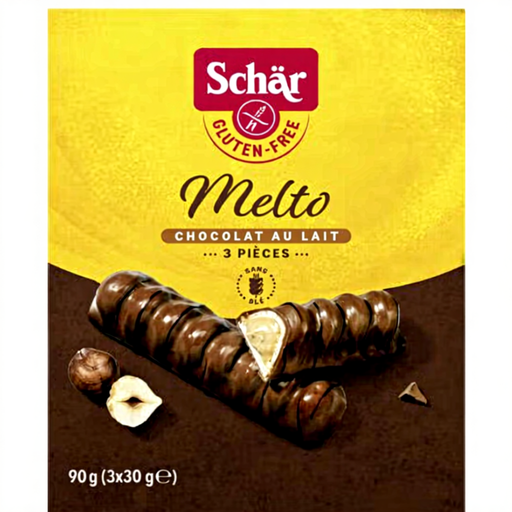
Schär Gluten-Free Melto Hazelnut Wafer Bars, 3 × 30 g
For a selection with an explicit gluten-free label. The pack contains three wafer bars, each weighing 30 g. This variety isn’t suitable for anyone who needs to avoid hazelnuts, milk or soya; check the information on the specific pack before serving.
View on Joybuy
 No image available
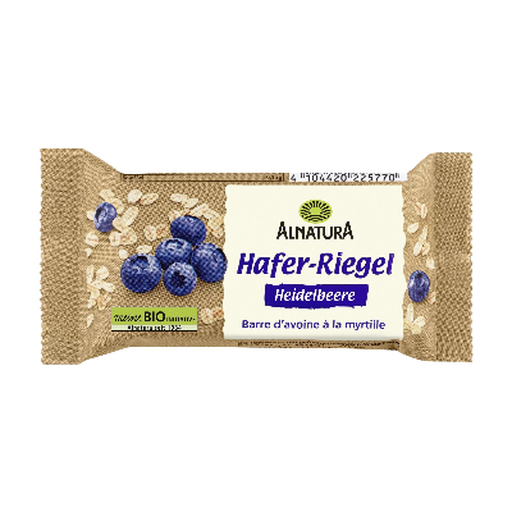
Alnatura Organic Blueberry Oat Flapjack Bar, 60 g
An oat bar for a selection that doesn’t need to be gluten-free. The bar weighs 60 g; don’t include this variety if guests need to avoid gluten. Check the label on the pack delivered for other relevant allergens and a vegan claim.
View on Joybuy
 No image available
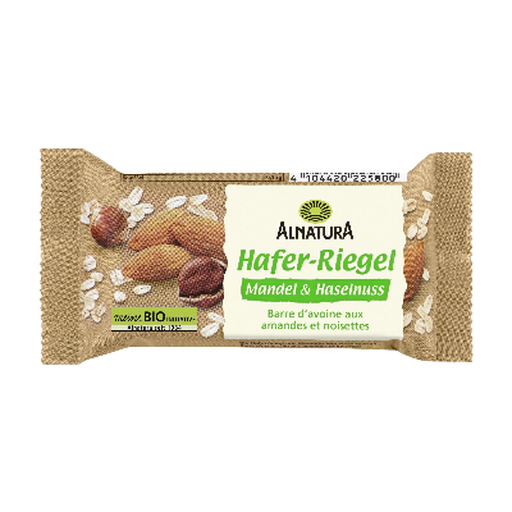
Alnatura Organic Almond & Hazelnut Oat Flapjack Bar, 60 g
For guests who don’t need to avoid gluten or nuts, this 60 g oat bar with almonds and hazelnuts may be an option. Alnatura says this variety may contain traces of egg, soya, milk, other nuts and sesame; check these details against the pack delivered.
View on Joybuy
Frequently asked questions
If you have coeliac disease, is a bar without wheat in the ingredients list enough?
No. For processed bars, look for an explicit “gluten-free” label on the specific pack. The German Coeliac Society also points out that the suitability of products with the same name from other countries cannot automatically be assumed.
Is a vegan snack bar automatically free from allergens?
No. Vegan bars may contain nuts or sesame, for example. RAWBITE lists almonds and cashews as key ingredients in its bars; REWE says its vegan Organic Fruit Oat Bar contains sesame and may contain traces of peanuts and nuts.
How should I serve different bars to guests with allergies?
Keep the varieties separate and retain the original packaging so guests can check the ingredients and allergen information. Ask in advance which specific ingredients need to be avoided, rather than assuming that a general “free-from” label means a product is suitable.
Does “no added sugar” mean the same as “low sugar”?
No. The claim “no added sugar” doesn’t, by itself, indicate a low total sugar content. If sugar matters to your choice, compare the nutritional information on the same basis, such as per 100 g; the German consumer advice centre also recommends checking the nutrition table.


