
Lieferung heute & morgen

Qualitätsgarantie

Willkommens-Angebote freischalten: KOSTENLOSE Lieferung | Bis zu 80 % RABATT | Kostenlose 30-Tage-JoyPlus-Testphase
App herunterladen
A cluttered entryway often makes the first impression of a home—and shoes lying around are usually the main culprit. The right hallway shoe cabinet promises a solution, but the selection is vast, and not every model delivers on its promise. Before you make a decision, it's crucial to understand the common weaknesses and exaggerated marketing claims that can lead to a purchase you'll regret.
As your Joybuy Product Recommendation Officer, I'll help you identify the key features and find a solution that truly fits your available space and needs.
Many buyers are drawn in by appealing product photos, but overlook critical functional flaws. Pay close attention to these three points:
To find modern shoe storage that is both stylish and functional, you should check three key parameters before making a decision.
Dimensions are paramount, especially the depth.
The material determines not only the look but also the durability and ease of maintenance.
The choice between an open rack and a shoe cabinet with doors affects both aesthetics and functionality.
Here are some models tailored to specific needs and living situations.
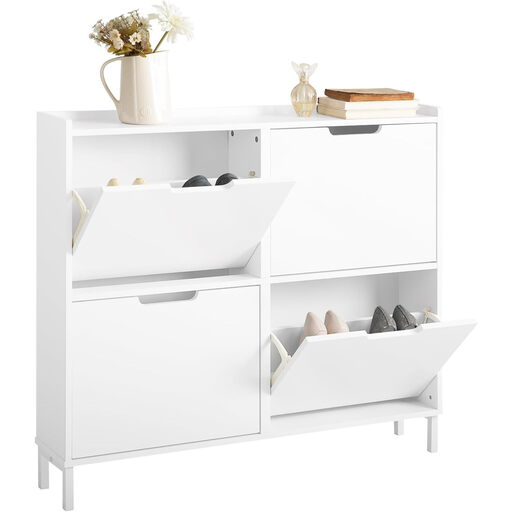
Why This Fits Their Persona: Ideal for typically narrow urban hallways where every inch counts. This model utilises height instead of width and depth.
The extremely shallow depth of 19 cm isn't a flaw here; it's the main feature. The included anti-tip hardware directly addresses the stability issue of narrow furniture.
Maximum space utilisation on a minimal footprint. The top shelf provides additional space for keys or decor.
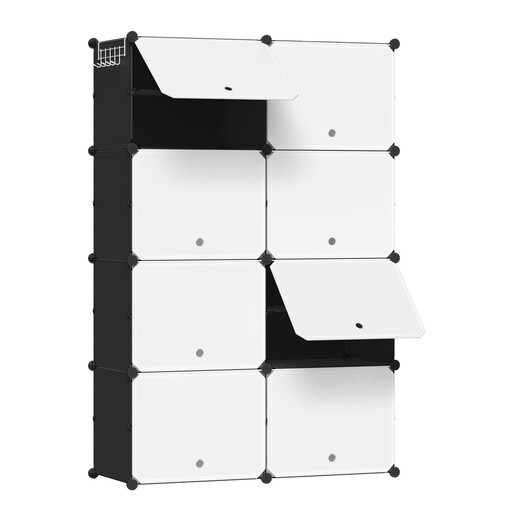
Why This Fits Their Persona: For families or individuals with an extensive shoe collection who need a flexible and expandable solution to accommodate various shoe types.
It bypasses the trap of unrealistic capacity claims with its removable dividers. This allows compartments to be enlarged for boots or high-top shoes.
High capacity (up to 32 pairs) and a modular design. The doors protect from dust, and the grommets in the doors provide basic ventilation.
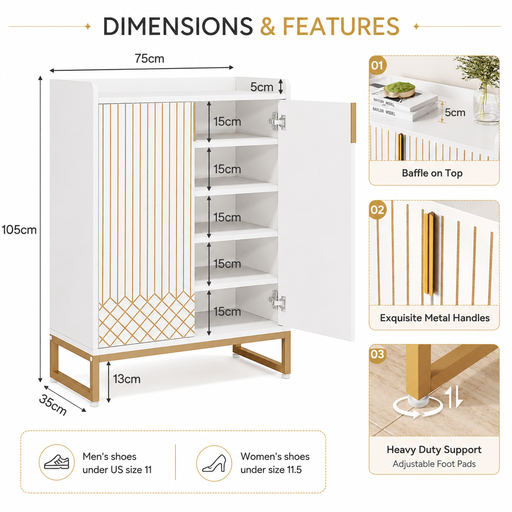
Why This Fits Their Persona: For those seeking a piece of furniture that is not only practical but also serves as a stylish element in the entryway, blending seamlessly into a modern design concept.
It addresses the stability weakness with a solid wood structure and metal legs. The closed design ensures a tidy appearance, which is a priority for designer furniture.
Combines generous storage space (up to 25 pairs) with an elegant, minimalist design. Gold accents and the diamond pattern give the piece a special touch.
We've compiled a complete, up-to-date list of products that fully meet these strict selection criteria and safety regulations.
1. How deep should a hallway shoe cabinet be? For very narrow hallways, models with a depth of 17 to 25 cm, such as tip-out cabinets, are ideal. If you have more space, a depth of 30 to 40 cm offers more flexibility for larger shoes and boots. Measure your hallway at its narrowest point and plan for enough clearance to fully open any doors or flaps.
2. How can I prevent odours in a closed shoe cabinet? Ensure your shoes are completely dry before placing them in the cabinet. Choose a model with built-in ventilation openings. Alternatively, cedar blocks or special scented sachets can be placed inside the cabinet to absorb moisture and provide a fresh scent.
3. Does a slim tip-out cabinet need to be fixed to the wall? Yes, it is strongly recommended. Due to their shallow depth and tall design, narrow shoe cabinets and tip-out units have a high centre of gravity. Securing the unit to the wall with the provided anti-tip hardware is an essential step to ensure stability and prevent it from tipping over. This is a fundamental safety measure.