
Lieferung heute & morgen

Qualitätsgarantie

Willkommens-Angebote freischalten: KOSTENLOSE Lieferung | Bis zu 80 % RABATT | Kostenlose 30-Tage-JoyPlus-Testphase
App herunterladen
Choosing the right hammer can be crucial to the success of a project. An unsuitable tool can not only damage the material but also make the work unnecessarily difficult and compromise safety. Whether for precision assembly, laying tiles, or heavy-duty construction projects, there is a specialised tool for every task. This guide will help you understand the features of different hammer types and make an informed decision when you're looking to buy a new hammer.
The choice of the right hammer depends on three key factors: the head material, the handle's design, and the specific shape of the head.
The head material determines which surfaces and tasks the hammer is suited for.
The handle affects the tool's handling, power transfer, and durability.
The weight and shape of the head are crucial for its function. A heavier head generates more striking force but also requires more effort. Specialised shapes are optimised for specific trades. The roofing hammer, also known as a lath hammer, has a checkered face for secure nailing, a claw for pulling nails, and often a spike for piercing roofing felt. It is a typical example of a professional hammer that is also useful as a tool for DIY enthusiasts for roofing work.
Based on the needs of DIY enthusiasts and professional tradespeople, we have curated a selection of hammers that are distinguished by their specific features for various applications.
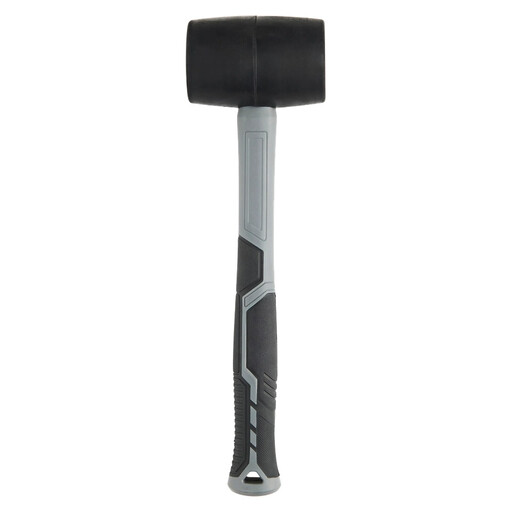
What makes it stand out This rubber mallet from PROBUILDER is designed for jobs where hard impacts must be avoided. The rubber head allows for powerful yet gentle strikes. The fiberglass-reinforced handle offers high break resistance, while the ergonomic soft grip ensures comfortable and non-slip handling. With a head weight of 500 grams, it is well-balanced for precision work.
Advantages
Who it's for Ideal for tilers, assemblers, furniture makers, and DIY enthusiasts who need to work on delicate materials without causing damage.
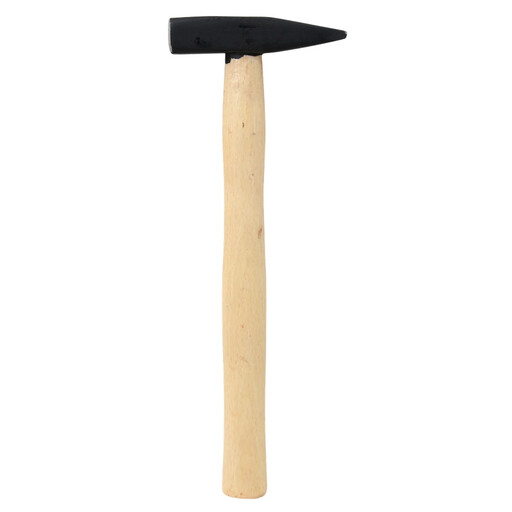
What makes it stand out The PROBUILDER machinist's hammer is crafted from high-quality carbon steel, giving it high strength and wear resistance. With a head weight of 200 grams, this model is particularly suitable for precise and lighter tasks. Its robust construction makes it a reliable tool for the workshop and construction site.
Advantages
Who it's for This PROBUILDER hammer is a great choice for mechanics, metalworkers, and DIY enthusiasts who need a lightweight yet robust tool for fine adjustment and assembly work.
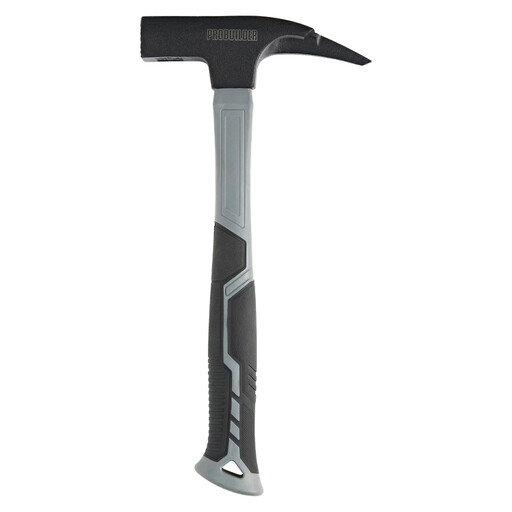
What makes it stand out This roofing hammer is a specialised tool for roofing and construction work. The hammer head is made of forged #45 steel, ensuring high durability and impact resistance. Like the other models in the series, this professional hammer also features a fiberglass-reinforced handle and an ergonomic soft grip. The head weight of 600 grams provides the necessary power for demanding tasks.
Advantages
Who it's for An indispensable tool for roofers, carpenters, and ambitious DIYers working on construction or renovation projects on the roof.
The models presented here cover common applications. However, if you are looking for a tool for a different specific task or want to compare different weight classes, you will find more options in our range.
Discover our entire selection of hammers here
For general nailing and assembly work, a machinist's hammer is suitable. For delicate surfaces like tiles or furniture, a rubber mallet is the right choice. For roofing work that involves driving and pulling nails, a lath hammer (roofing hammer) is ideal.
A machinist's hammer has two flat faces (a face and a peen) and is an all-purpose tool. A lath hammer is specialised: it has a checkered, often magnetic face for starting nails with one hand and a claw on the other side for pulling nails and splitting wooden laths.
Clean the hammer of dirt and dust after each use. Store it in a dry place to prevent rust on the head and damage to the handle. Before each use, check that the hammer head is securely attached to the handle to ensure safety. For steel heads, a light coat of oil can help prevent corrosion.