
Lieferung heute & morgen

Qualitätsgarantie

Willkommens-Angebote freischalten: KOSTENLOSE Lieferung | Bis zu 80 % RABATT | Kostenlose 30-Tage-JoyPlus-Testphase
App herunterladen
A hand blender can purée soups, blend smoothies, chop onions or whisk cream. However, a seemingly inexpensive appliance does not automatically deliver the right results in the kitchen. Details such as the actual motor power, operating time limits and ease of cleaning often determine whether you use your hand blender regularly.
A high wattage initially sounds convincing. However, it does not indicate on its own how well an appliance can handle solid ingredients, frozen fruit or nuts. Speed, blade design, overheating protection and the permitted operating time are also important.
A powerful hand blender with 1,200 watts may be suitable for more demanding tasks. However, if the model can only be operated for one minute at a time and then needs to cool down, this should be taken into account when planning your kitchen routine.
A large hand blender set can look appealing when it comes with numerous attachments. However, not every accessory will be used regularly. For soups and sauces, a blending foot with a measuring jug is often enough. If you also want to chop herbs, dice vegetables or whisk egg whites, you will need a hand blender with chopper or a hand blender with whisk.
What matters, therefore, is not the number of parts, but their capacity, material, attachment method and ease of cleaning.
The blades and blending foot come into direct contact with food. Removable, dishwasher-safe parts make cleaning easier. However, the motor housing of the appliances mentioned must not be immersed in water.
Extra care is needed when working with hot liquids: the blending foot should be fully immersed to reduce splashing. Unplug the appliance before changing attachments, cleaning it or removing blocked ingredients.
For simple tasks such as sauces, cooked vegetables or baby food, 600 watts is often sufficient. A model with 900 to 1,200 watts offers more power for firmer ingredients and larger tasks. However, wattage is only a guide for comparison.
Variable speed controls, several speed settings or a pulse function are useful features. They give you better control over the consistency. A low speed is suitable for gently combining ingredients, while short pulses can help when chopping.
An stainless steel hand blender usually refers to a blending foot or blade area made from stainless steel, rather than a motor housing made entirely from metal. Stainless steel is corrosion-resistant and designed for contact with food. Also check whether the blending foot is removable and whether replacement or additional parts are available.
Blade guards can help reduce splashing. If you have delicate surfaces, you should also check whether the underside of the blending foot is designed to minimise contact with the container.
A measuring jug with a capacity of 600 to 800 millilitres is suitable for smaller portions. For families or larger quantities, a processing container with a capacity of 1,250 millilitres or more may be more practical. It is important to observe the maximum fill level.
Look out for instructions such as ‘one minute of operation, one minute of rest’. This requirement helps protect the motor and should be taken into account when chopping hard ingredients. A multifunctional hand blender does not automatically replace a countertop blender for very large quantities.
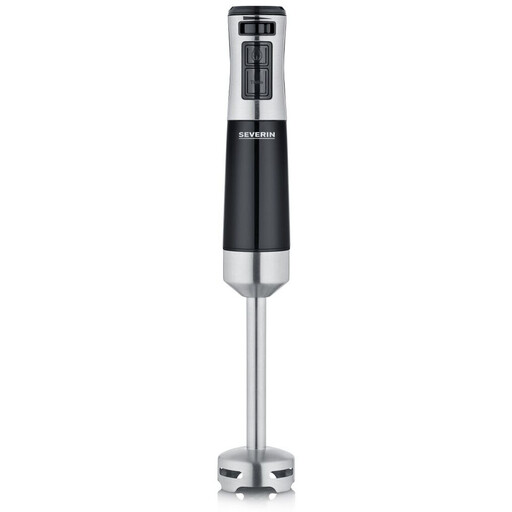
Why this product suits this profile: With 600 watts, variable speed control and a removable blending foot, this model is designed for everyday tasks such as soups, sauces, dips and purées.
The straightforward range of functions means you do not pay for attachments that are rarely used. The manufacturer states that the removable parts are dishwasher-safe.
600 watts, variable speed control and BPA-free materials according to the product details.
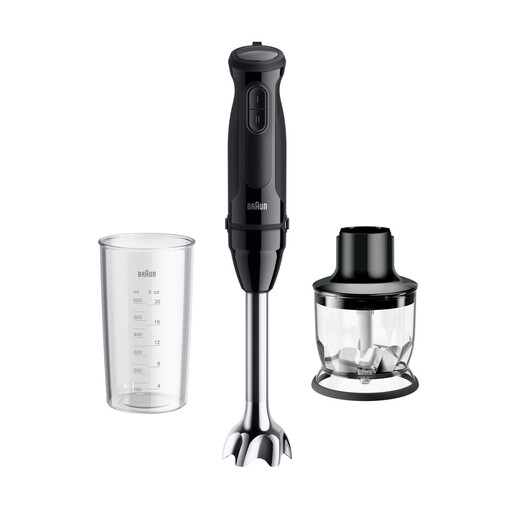
Why this product suits this profile: This set combines a 900-watt motor with a measuring jug and a 350-millilitre chopper for regular kitchen tasks.
The accessories focus on two common additional tasks. According to the manufacturer, the EasyClick system makes changing attachments easier.
900 watts, a 600-millilitre measuring jug and dishwasher-safe accessories according to the product description.
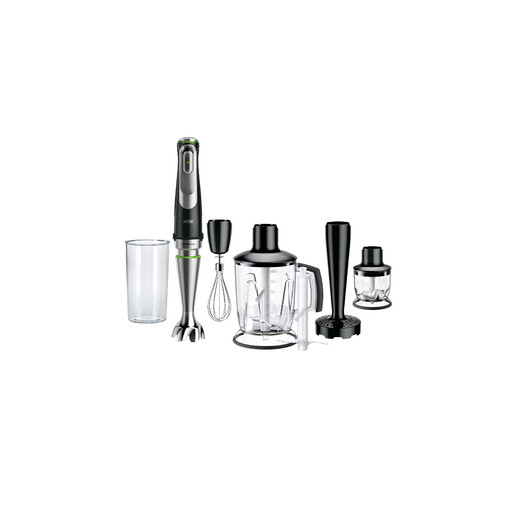
Why this product suits this profile: With 1,200 watts, ActiveBlade technology, SmartSpeed and several attachments, this model is aimed at users who regularly prepare a variety of recipes.
The accessories are clearly specified: a whisk, 350-millilitre chopper, masher and additional containers, rather than being described using a vague collective term.
1,200 watts, variable control and an extensive range of accessories according to the product data.
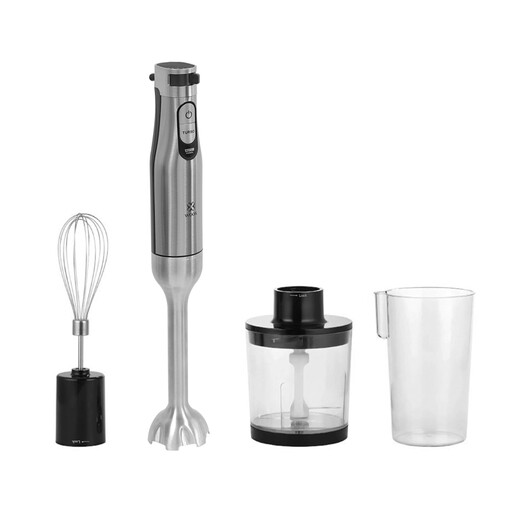
Why this product suits this profile: This 1,200-watt model with variable trigger control, whisk, chopper and measuring jug covers a range of preparation methods.
The product details specify the accessories, 304 stainless steel for the blades and accessories, as well as removable, dishwasher-safe parts.
Variable speed, turbo function and a 500-millilitre chopper according to the product description.
We have put together a complete, regularly updated list of products that fully meet these strict selection criteria and the safety regulations applicable in the EU.
For simple puréeing tasks, 600 watts may be sufficient. If you regularly process hard ingredients, frozen fruit or larger quantities, you may want to consider models from around 900 watts. Blade design, speed control and the permitted operating time remain key factors.
This depends on the manufacturer’s instructions. The blending foot should be fully immersed in the liquid to reduce splashing. When blending hot food, do not open sealed containers and keep your face and hands away from any escaping steam. The motor housing must not come into contact with liquid.
There is no standard service life. It depends on how often the appliance is used, the ingredients, cleaning and compliance with the recommended rest periods. Avoiding overloading the motor, handling the blades carefully and cleaning the housing with a dry cloth can help prevent common causes of wear.