For people using a shared kitchen
If several people use the appliance and worktop, easy access to the blending shaft and clear cleaning instructions are important. The BfR recommends preventing the spread of germs.


When making peach purée in a shared kitchen, focus on how easy the blending shaft is to clean and whether the container suits the amount you’re preparing. Variable speed can make the blender easier to control, while a larger accessory set is only worth it if you’ll actually use the extra attachments. The BfR recommends preventing the spread of germs and using separate utensils for food that will be eaten without further heating.
If several people use the appliance and worktop, easy access to the blending shaft and clear cleaning instructions are important. The BfR recommends preventing the spread of germs.
If you’re making a small amount of peach purée, the beaker size and shape should suit the quantity you’re actually preparing. A large accessory set may take up more space than you need for this job.
If you often prepare larger quantities, look for a suitable blending container. Extra attachments can be useful, but they also mean more cleaning and storage.
Start by checking how easy it is to clean and whether the container is suitable, then consider the controls and accessories. The BfR recommends using separate utensils for food that will be eaten without further heating and preventing the spread of germs.
| What matters | What to look for when buying | Who will find it especially important |
|---|---|---|
| Cleaning when the blender is shared | Check whether the blending shaft can be removed and which parts the instructions say are dishwasher-safe. | If I share the blender with others, I want to be able to reach all the parts that come into contact with food and know exactly how to clean them. Around 36% of consumers put cleaning first. |
| Controlled blending | Compare the controls and speed settings on the specific model, and consider the shape of the container too. | If I want to control the consistency and avoid splashes, I look for controls that suit my container and the way I work. Around 29% of consumers say control over blending is their top priority. |
| A suitable portion size | Check that the quantity is suitable for the container’s shape and the usage limits in the instructions. | If I’m making peach purée for several portions, I want to use a suitable container rather than relying on its stated capacity alone. Around 21% of consumers prioritise portion size. |
| Fewer accessories and less storage space | Check what’s included with the exact model and only make room for attachments you plan to use. | If I mainly need the blender for puréeing, I don’t want to store and clean more accessories than necessary. Around 14% of consumers prioritise having fewer accessories. |
For the Braun MQ 50051 M, this applies to the parts listed in the instruction manual, not automatically to the entire appliance.
Check the cleaning instructions for the blending shaft, beaker and each attachment individually in the manual for the exact model.
A beaker’s stated capacity doesn’t mean it can be filled to the brim safely or without problems when blending.
Choose a container that suits your portion, leave space above the ingredients and follow the usage limits in the model’s instructions.
Extra functions are only helpful if you actually need them. You’ll also have to store and clean any additional parts after use.
Compare what’s included with the exact model code against the tasks you want to do besides puréeing.
Braun describes the MultiQuick 5 MQ 50051 M as a variable-speed hand blender supplied with a whisk and measuring beaker.
WMF’s Lineo 4-in-1 set is aimed at people who want to use a larger blending container and extra attachments as well as the hand blender.
According to the manufacturer, the Severin SM 3763 set combines a removable stainless-steel blending shaft with a measuring beaker, whisk and chopper.
The Philips HR2522/00 is an option if you’re looking for an easy-to-use hand blender with a small beaker included.
The hand blenders below are selected for making peach purée and to suit different needs around cleaning, controls and container size.
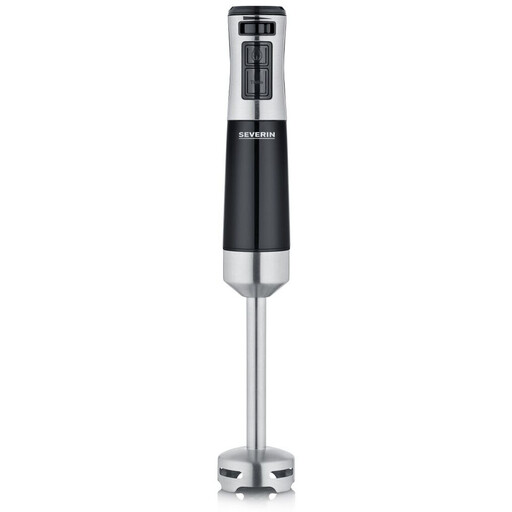 No image available
For making peach purée if a removable blending shaft and variable speed control matter to you.
The description lists 600 W and removable parts that are dishwasher-safe.
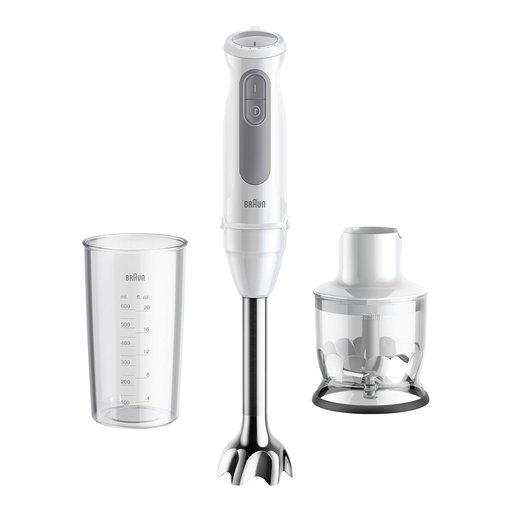 No image available
For controlled blending if you want to adjust the speed and use the beaker supplied.
The product description lists 21 settings, a Turbo function, SplashControl and a 600 ml beaker.
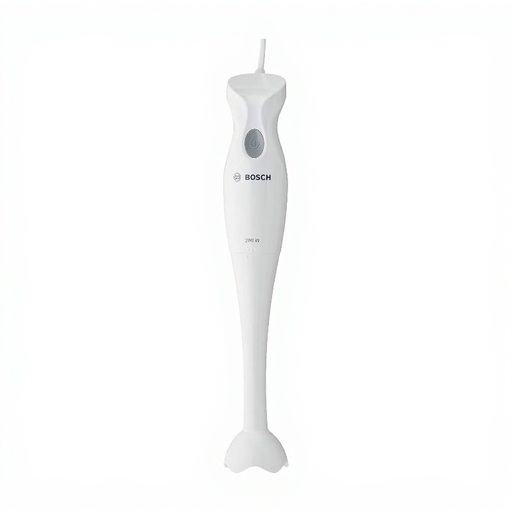 No image available
An option if a removable blending shaft and splash guard are important to you.
The description lists 280 W and recommends using a tall, narrow container for blending. The blending shaft is described as removable and dishwasher-safe.
 No image available
For smaller quantities if you’d like to use the beaker and chopper included.
The title lists a 500 ml beaker and a 500 ml chopper; the description includes normal and Turbo modes, as well as dishwasher-safe parts.
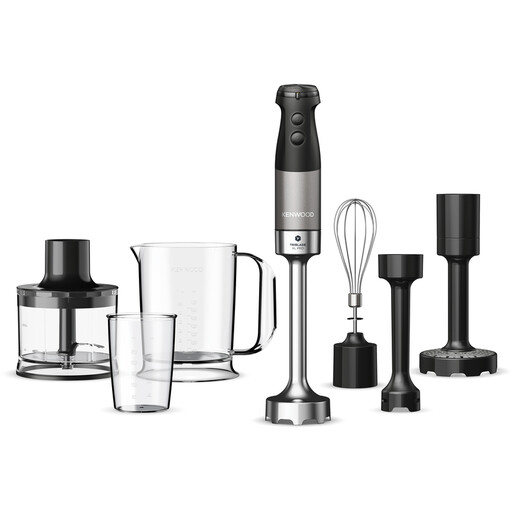 No image available
An option if you want to adjust the speed and use several attachments or containers.
The description lists variable speed, Turbo and removable parts that are dishwasher-safe. The extensive set of included accessories may mean more storage space and cleaning.
Rated power alone doesn’t tell you whether a blender will make better purée. Instead, compare the controls, container and cleaning requirements of the specific model. The manufacturer’s stated specifications aren’t based on a standardised peach-blending test.
The BfR recommends preventing the spread of germs and using separate kitchen utensils for food that will be eaten without further heating. Clean all blender parts that come into contact with food according to the appliance instructions; dishwasher-safe claims only apply to the parts listed there.
For a consumer purchase, the retailer is generally responsible for the statutory warranty. The consumer advice centre says this lasts for two years from delivery; a voluntary manufacturer’s guarantee is separate. For purchase contracts from 31 July 2026 onwards, the consumer advice centre explains additional rules on choosing a repair.
According to the EU, CE marking is only required for products covered by EU harmonisation rules that require it. EUR-Lex explains that parts of food-processing equipment intended to come into contact with food are covered by the rules in Regulation (EC) No 1935/2004. A model name alone doesn’t confirm that a specific product listing meets all applicable requirements.