What should you look for when buying?
First decide whether you only want to blend, or also chop other ingredients for lunch. Then check that the container and cleaning requirements suit your portion size and routine.
The figures refer to consumers choosing a hand blender for white bean dip to take to work on weekdays; the most important buying consideration is shown for each person.
| Buying priority |
What to look for |
Who it matters most to |
| Control the consistency |
Compare the blending foot, speed settings and suitable container. A higher wattage alone doesn’t guarantee a particular result when making white bean dip. |
If you want to adjust the texture gradually as you blend, variable control matters more than a single power rating. Around 36% of consumers in this selection context prioritise control over consistency. |
| Quick cleaning after use |
Check the instructions for the exact model to see which parts are removable and dishwasher-safe; don’t assume the motor unit and blending foot have the same cleaning requirements. |
If you regularly prepare dip for several working days, you’ll want to be able to clean the blending foot easily. Cleaning is the main priority for around 29% of consumers. |
| Make smaller lunch portions |
Choose a container shape and blending foot that suit the quantity you want to make. The stated capacity of a container doesn’t tell you its suitable minimum quantity. |
If you’re making just one small portion, the blending foot should work well in the container you use. This suitability is the top priority for around 21% of consumers. |
| Chop other ingredients |
Check whether the exact version on offer includes a chopper, and which ingredients and quantities the instructions recommend using it for. |
If you regularly chop herbs or onions for lunch, you could make use of the extra attachment, but remember to allow for storage and cleaning too. Around 14% of consumers prioritise these additional tasks. |
Joybuy products for dip and lunch prep
This product selection includes simple hand blenders with a mixing or measuring beaker, as well as sets with accessories for additional food preparation tasks.
 No image available
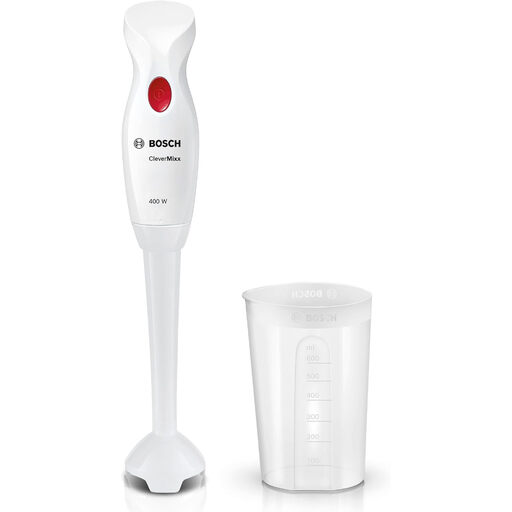
Bosch CleverMixx MSM14000
A simple model for anyone looking for a removable blending foot and easy cleaning.
400 W; removable blending foot; 4-blade knife.
View at Joybuy
 No image available
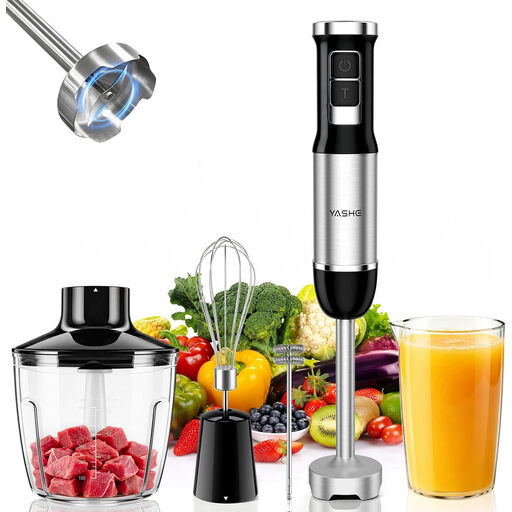
YASHE HB-4613
A set for anyone looking for extra food preparation functions and adjustable speeds as well as blending.
1000 W; 6 speed settings and turbo; 5-in-1.
View at Joybuy
 No image available
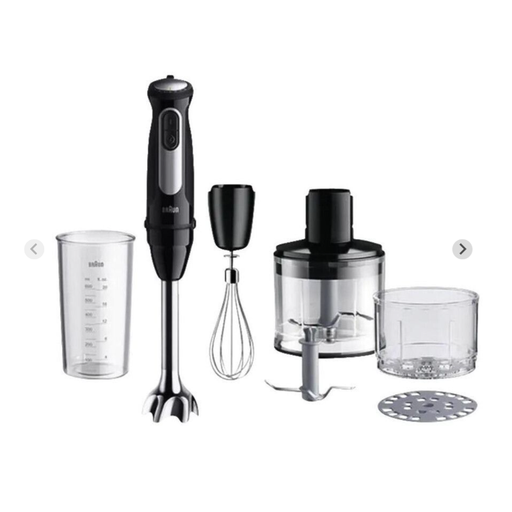
Braun MultiQuick Pro MQ55254M
A model for anyone who wants several speed settings and a turbo function when blending.
25 adjustable speeds; turbo.
View at Joybuy
 No image available
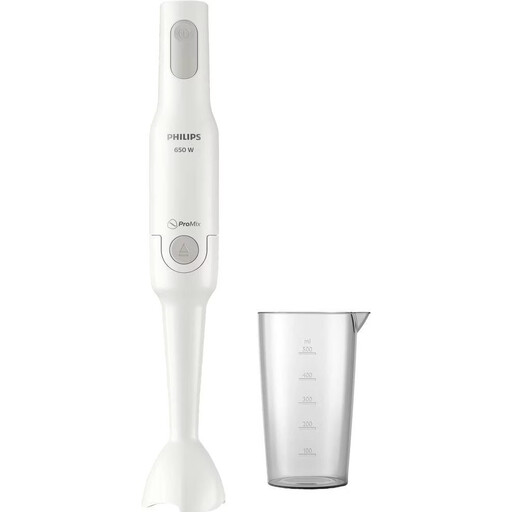
Philips HR2531/00
A model with a mixing beaker for anyone who wants to prepare dip in a separate container.
650 W; ProMix technology; one-button release.
View at Joybuy
 No image available
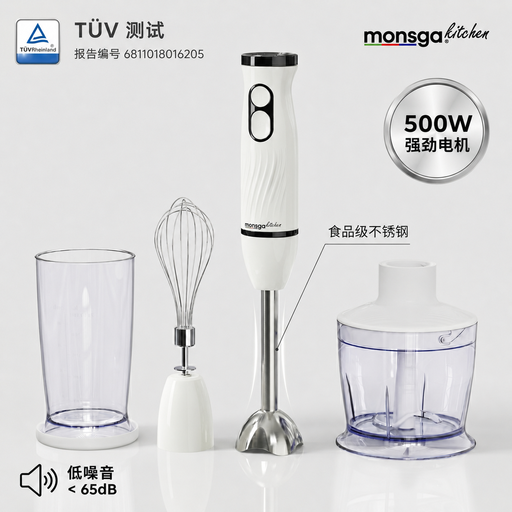
Monsga S100
A set for anyone who wants to prepare other ingredients as well as dip, and would find a beaker useful.
Normal and turbo modes; 500 ml chopper; 500 ml beaker.
View at Joybuy
Frequently asked questions
Can I blend dried white beans straight into a cold dip?
No, use beans that have been thoroughly cooked. According to the German Federal Institute for Risk Assessment (BfR), raw beans can contain phasin, a harmful substance that is only destroyed by thorough heating. The consumer advice centre says tinned beans are ready to eat.
How should I store dip prepared for a weekday lunch?
Keep the dip chilled, and make sure it stays cool while you’re out and about too. The BfR recommends a fridge temperature of 2 °C to no more than 7 °C for perishable foods. How long a particular dip will keep depends, among other things, on the recipe, packaging and transport conditions.
Which parts of a hand blender can go in the dishwasher?
It depends on the model and attachment. WMF specifically describes the Kult X Edition’s blending foot as removable and dishwasher-safe; check the instructions for each individual part of your exact model.
What should I check to make sure an electric hand blender complies with regulations?
When carrying out market surveillance of electrical household appliances, Germany’s Federal Network Agency lists the CE mark, identifiable manufacturer details and German-language instructions among the points to check. According to the European Union, the CE mark is the manufacturer’s declaration that the product complies with the relevant EU requirements; it isn’t an independent quality mark for blending results.


